Why Is My Cat Suddenly Aggressive? Causes, Signs, And What To Do
Sudden aggression in cats can really catch owners off guard. One day your furry friend is curled up beside you, and the next, they’re swatting or hissing for what feels like no reason at all. This behavior can be confusing and even a little scary, especially if it comes out of nowhere. Speaking as Thompson the cat, I know just how complex feline feelings can get.
The good news is, there’s almost always a reason behind a cat acting aggressively. Understanding what’s going on is the first step—there’s usually a cause you can work with, even if it isn’t obvious at first. I’m going to walk you through the most common reasons cats show sudden aggression, the signs to watch for, and some practical steps to help get everyone back on friendly terms again.
What Does Sudden Aggression in Cats Look Like?
Aggressive cat behavior isn’t something most people expect, so recognizing the signs is pretty important. Sometimes the signals are dramatic, but other times they’re subtle. Here are a few things I often hear from people who’ve just seen their cat’s mood change fast:
- Hissing and Growling: These sounds are classic signs a cat is upset or feels threatened.
- Swatting or Biting: Bites that come with no warning or quick swats often mean your cat feels cornered or anxious.
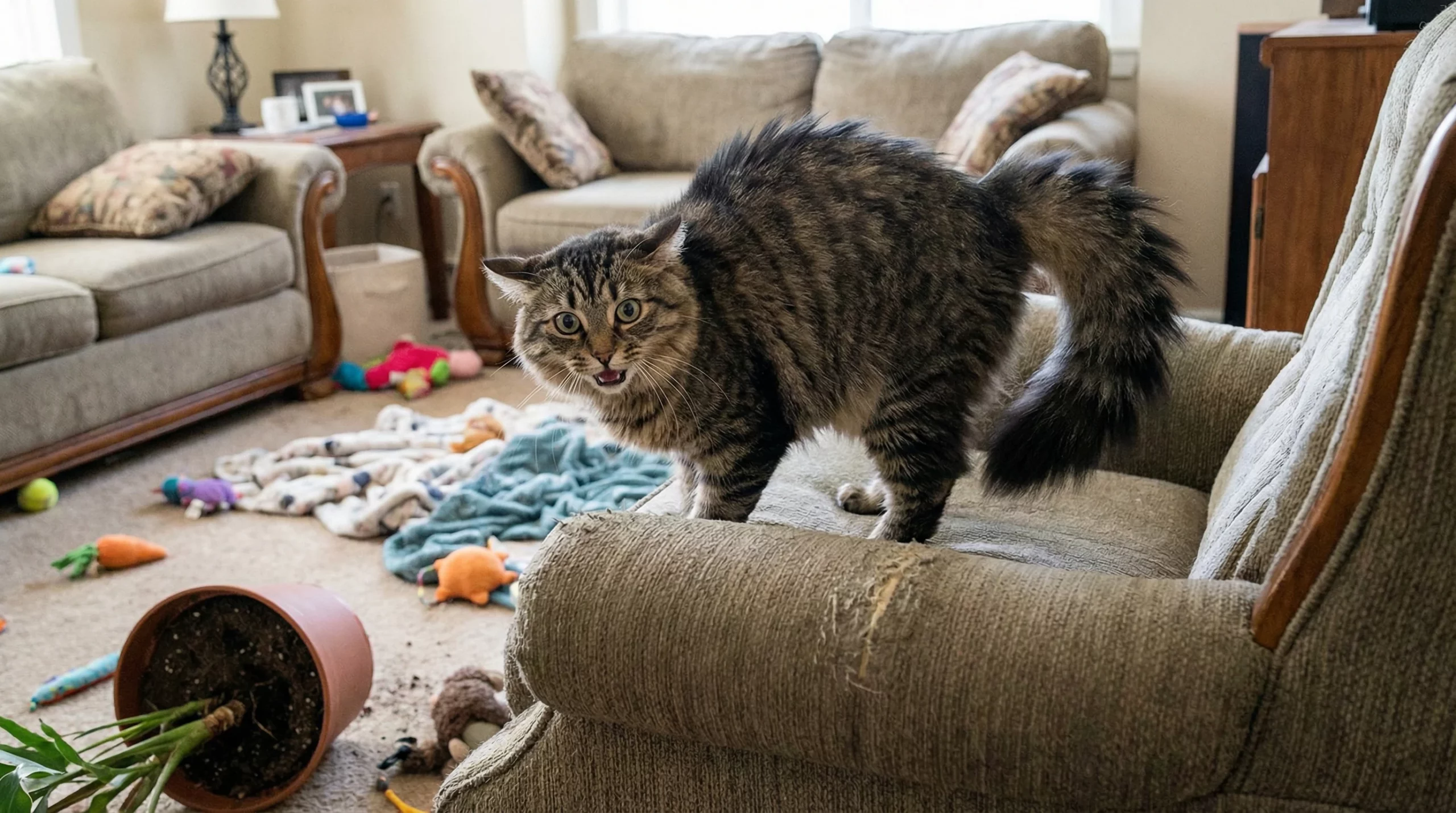
- Flattened Ears and Dilated Pupils: When a cat’s ears are back against the head and their eyes are wide, it’s a sure sign they’re on edge.
- Puffed Fur or Tail Lashing: A bushy tail or quick, harsh tail flicks show a cat is stressed or agitated.
One thing owners sometimes mix up is playful vs. true aggression. Play aggression can include biting or chasing, but it’s usually gentler, not meant to cause harm. True aggression comes with stiff body posture, growling, and signs your cat wants the situation to stop immediately. Watching for the difference can help make sense of your cat’s mood swings.
Common Reasons Your Cat Became Aggressive Suddenly
Fear or Stress Triggers
Cats don’t handle sudden change very well. Anything that makes their environment feel unsafe can trigger aggressive outbursts. Maybe there’s a new pet in the house, someone new moved in, there are unfamiliar noises in the building, or even just different people visiting. Loud sounds like fireworks or construction can also set cats off. Stress can pile up, and sometimes the smallest thing tips your cat over the edge.
Pain or Medical Issues
One of the most overlooked causes of sudden aggression is pain. Cats hide discomfort really well, way better than most people realize. Things like dental pain, arthritis, urinary problems, or injuries often show up first as sudden mood changes. If your cat goes from sweet to fierce overnight, especially if they flinch or avoid touch, it’s time to check in with your vet. Quick action helps rule out serious health issues and get your cat the help they need.
Redirected Aggression
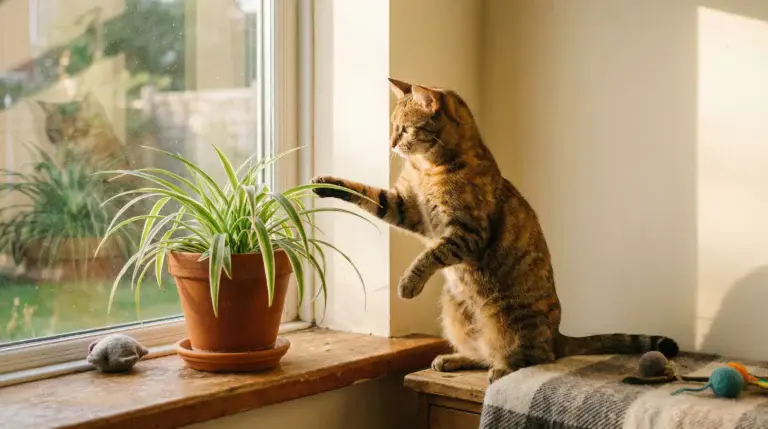
This kind of aggression can be baffling because it seems to come out of thin air. Here’s what usually happens: your cat gets worked up by something they can’t reach, like another cat outside the window or a strange sound in the hallway. Unable to get to the real target, they lash out at whoever is closest. It’s especially common with indoor cats who spot animals outdoors.
Overstimulation
Some cats love a good petting session, but even the friendliest cat can snap if they get overstimulated. Petting too long, scratching near the base of the tail, or touching sensitive areas can trigger sudden bites or swats. If you’re not sure whether your cat’s reaction is caused by anxiety or overstimulation, understanding the difference can make a big impact on how you respond. Watch for fluttering tails, rippling back skin, or ears turning to the side—these signs mean, “I need a break now!”
Territorial Behavior
Cats are serious about their space. A new animal, different scents, or even moving furniture can make your cat feel like their turf is under threat. Marking, guarding favorite spots, and chasing off intruders can all show up as what looks like aggression, but to your cat it’s just protecting what’s theirs.
How to Tell What’s Causing Your Cat’s Aggression
Figuring out why your cat’s behavior just changed is the fastest way to stop the aggression and keep everyone safe. Here are some questions I like to run through with folks:
- Did anything change in the last few days? Moving, new people, or a different feeding schedule can upset your cat’s sense of security.
- Who or what is the aggression directed at? Pinpointing whether your cat is attacking people, pets, or objects helps narrow down the triggers.
- Is your cat avoiding certain touches or movements? If yes, pain could be behind their behavior.
Watching when the aggression happens, like after petting, meal times, or during certain noises, helps uncover what’s making your cat lash out. Jotting down notes makes it easier to spot patterns if it keeps happening.
What to Do When Your Cat Suddenly Becomes Aggressive
What Not to Do
- Don’t punish or yell. This ramps up fear and usually makes aggression worse, not better.
- Don’t force interaction. Chasing after or grabbing your cat can damage trust fast.
- Don’t ignore repeated aggression. Cat bites and swats aren’t just bad manners, they’re your cat’s way of asking for help.
Immediate Steps to Reduce Aggression
- Give your cat space. Step back and let your cat cool off in a quiet, safe spot.
- Reduce or remove triggers. If you know what upset your cat (like another pet or loud noise), try to minimize it right away.
- Keep routines steady. Sticking to regular feeding and play times helps your cat feel safer.
- Use calm voice and slow movements. Move slowly and speak quietly around your cat until they settle down.
Long-Term Solutions
- Environmental enrichment. More toys, high perches, and hideouts give your cat safe outlets for energy and stress. Puzzle feeders, interactive toys, and even cat-safe plants can give a boost to their well-being.
- Scheduled playtime. Burning off steam with wand toys or puzzle feeders reduces boredom and tension. Try games that mimic hunting, like chasing a feather wand along the ground, letting your cat show off their instincts in a safe way.
- Stress-reducing changes at home. Try calming diffusers, quiet spaces for naps, and gentle introductions if you bring home new pets or people. Keeping their environment steady and predictable helps lower anxiety levels.
It can also help to regularly rotate your cat’s favorite toys or bedding. This keeps their environment interesting, while sticking to daily routines gives them a steady anchor if other things change.
When to Seek Professional Help
Some situations call for expert support right away. If you notice aggression linked to pain (like limping, visible injuries, or avoiding food), call your vet promptly. Frequent or intense attacks, or aggression that keeps getting worse, means it’s time for a pro. Vets can rule out health problems, and certified feline behaviorists can spot triggers and build a plan to get things back on track. It’s totally fine to ask for help, and sometimes a little outside perspective makes all the difference.
Can Sudden Aggression Be Prevented?
Most sudden aggression comes back to stress, change, or missed signals. Keeping your cat happy, relaxed, and feeling secure goes a long way. Here’s what I’ve seen work really well:
- Read early body language. Learning your cat’s subtle “stop” cues helps you avoid bites and scratches. Paying attention to their whisker position, pupil size, and tail motion will help you make out what they’re feeling.
- Avoid overstimulation. Watch for tail flicks, skin rippling, lip licking, or ears turning sideways—these mean your cat’s had enough petting. Stopping before your cat reacts helps grow trust between you.
- Keep things predictable. Regular feedings, play sessions, and safe spaces make your cat’s world feel steady, even when other things change. Even the most adaptable cats benefit from a routine, especially when other changes happen around the house.
A Few Extra Tips from a Cat’s Perspective
- If you sense your cat is getting worked up, offer them some distance and let them approach you first when they’re ready.
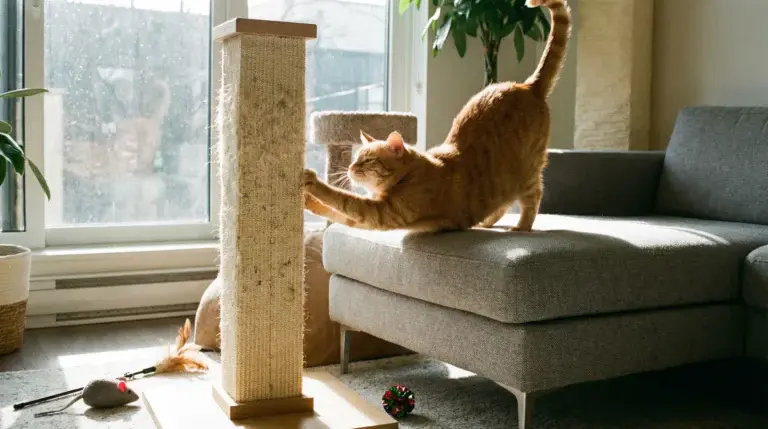
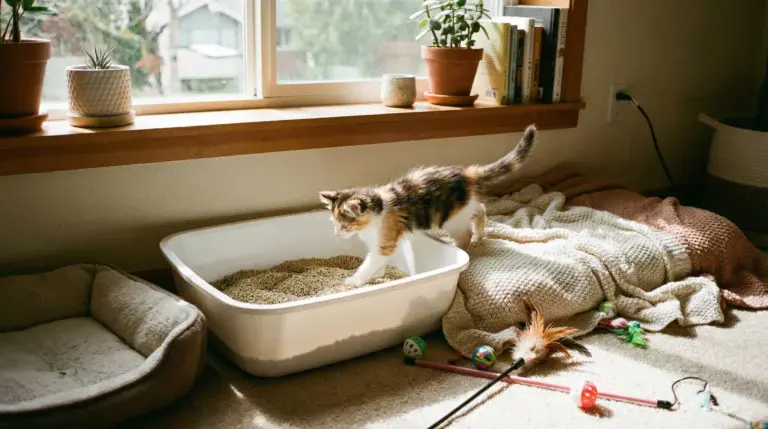
- Enriching the home environment with scratching posts, cat trees, and comfy napping spots goes a long way to lower daily stress. Window perches and cozy beds let your cat claim their own favorite spaces.
- If you’re curious about reading cat body language or understanding how we communicate, you can check out more on cat body language and my top 10 cat communication tips.
- There are more problem-solving guides at cat behavior solutions if you’re running into other feline surprises.
Seeing a sudden switch to aggressive behavior in your cat is tough, but it’s not a lost cause. With a little patience, a careful look at the situation, and a spot of cat-style empathy, most cats bounce back with a little support. Understanding our cues, being gentle during tough moments, and looking out for our comfort makes a huge difference. Sometimes, that’s all it takes to get back to snuggling on the couch together again. If you keep an eye out for small changes and give your cat some grace, you’ll likely spot key signals before problems get worse.
Ultimately, sudden aggression is your cat’s way of saying something isn’t right. The more you tune in to their body language, routines, and needs, the easier it will be to keep the peace and enjoy your eye-catching feline companion day after day. Jumpstart your connection by tracking down new ways to communicate, and you might just find those moody moments melt away over time.