
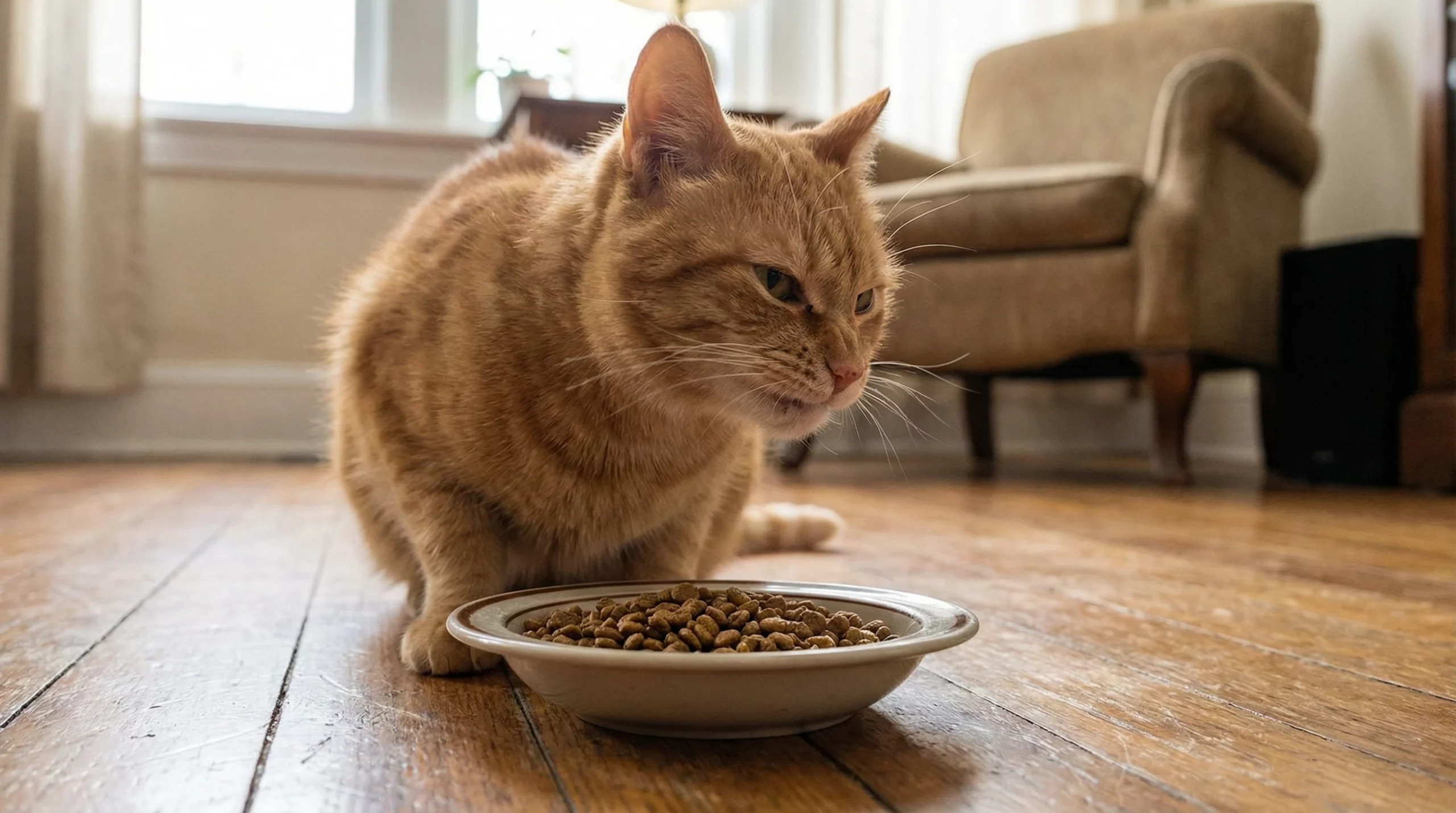
Why Is My Cat Not Eating? Causes And When To Worry
If your cat is suddenly turning their nose up at dinner, you’re definitely not alone. As Thompson, a cat who’s seen my share of dinner bowls, I know just how stressful it can feel for humans when their furry friend stops eating. Appetite changes happen to cats for a bunch of different reasons. Some are totally harmless, but others need quick attention. Here’s an all-in-one run-through of why cats like me might go off their food, how serious it could be, and what steps you should take next.
A cat not eating (loss of appetite or anorexia) means a noticeable drop in normal food intake or complete refusal of meals. Because cats rely on regular calories to keep their metabolism and liver functioning, appetite loss can become serious faster than many owners expect.
Common Reasons Your Cat Is Not Eating
Cats are famous for being finicky, but most of us are consistent about loving our food. So, changes in appetite can signal something more than just a picky streak. There are a handful of regular reasons you might catch your cat skipping meals.
Stress or Anxiety
Stress is something we cats feel pretty deeply, and it really affects whether or not we feel like eating. Changes in my environment (like moving house), the arrival of a new pet or baby, or even noisy renovations can throw off my appetite. Super simple stuff, like moving our favorite meal spot or suddenly being fed on a different schedule, can also do it. If your cat’s not eating and you’ve noticed some changes around the house, stress might be the culprit. I recommend checking out our guide on feeding anxiety in cats to help make mealtimes calmer and more appealing.
Food Issues
Sometimes it’s all about the food. Cats like me don’t always appreciate sudden menu changes. Switching up our food without a slow transition can leave us snubbing the new stuff. We also usually won’t touch food that smells off or is past its best. Believe it or not, even getting bored with the same food after months can make us pause mid-bite. This is known as flavor fatigue, and it’s real! If you’re thinking about a switch, my advice is to check out our tips for an easy food transition so it doesn’t tank my appetite.
- Sudden food change: We need time to adjust! Gradually mixing old and new food works best.
- Spoiled or stale food: A cat’s nose is strong, and we won’t eat if it smells “off.”
- Flavor fatigue: Switching up proteins every so often can keep things exciting.
Digestive Upset
Stomach discomfort or nausea can quickly suppress appetite. Food intolerance, gut imbalance, inflammation, or recent diet changes may all make eating feel unpleasant. Cats with sensitive digestion often show appetite loss before other symptoms appear. Supporting gut health and feeding consistency can help restore interest in food.
Dental Pain
Oral discomfort is a very common reason cats avoid meals. Swollen gums, broken teeth, infections, or mouth ulcers can make chewing painful. Signs may include drooling, pawing at the mouth, or approaching food but refusing to bite.
Illness or Infection
Many medical conditions reduce appetite. Fever, organ disease, metabolic illness, or systemic infection can all suppress hunger. Appetite loss is often one of the earliest signs that something is wrong internally.
Signs Your Cat Not Eating Is Serious
Sometimes skipping one meal isn’t too worrying, but if you notice any of these other signs alongside refusal to eat, it’s time to pay close attention.
- 24 hours with no food: Most healthy adult cats should not go longer than about 24 hours without eating. Even a “sort of interested” cat who sniffs but won’t eat is a concern after a day.
- Lethargy: Cats normally love napping, but if I’m barely moving all day and skipping food, something’s off.
- Vomiting or diarrhea: Not eating, plus throwing up or runny poop? That’s a red flag.
- Weight loss: Noticeable weight loss, even over a week, is a big deal for cats, especially if I’m not eating.
- Hiding: If I’m avoiding sunny napping spots to curl up in the closet and I won’t eat, you should be concerned.
- Drooling or bad breath: Drooling or suddenly stinky breath can signal dental pain or other issues.
In many cases appetite loss is temporary and resolves once the underlying cause is addressed — but because cats decline quickly, monitoring closely is essential.
How Long Can a Cat Go Without Eating?
This is one of the most common questions folks ask about cat health, and it’s really important. Healthy cats can quickly get into trouble if they stop eating, way faster than most other pets.
- Within 24 hours: If I skip food for a full day, you should pay close attention, especially if I’m older or have a health condition.
- Within 48 hours: By two days, not eating is a medical emergency. Cats rely on regular meals to keep our livers working properly. After 48 hours, the risk for a dangerous liver condition called hepatic lipidosis (fatty liver disease) goes up fast.
- Hepatic lipidosis risk: Hepatic lipidosis (fatty liver disease) develops when a cat’s body rapidly mobilizes fat stores during starvation. The liver becomes overwhelmed processing this fat, leading to dangerous liver dysfunction. Overweight cats are especially at risk, and the condition requires urgent veterinary treatment.
What You Can Try at Home
There are a few gentle fixes that might tempt a finicky cat back to the food bowl. Keep it safe and simple, and don’t force anything. If I’m acting otherwise normal but just a bit put off by dinner, try these tricks:
- Warm up the food: Room-temperature or slightly warmed (but not hot!) food brings out stronger smells that make meals more enticing for cats.
- Offer wet food: Moist, smelly options usually get my attention quicker. You can mix a bit with dry food, too.
- Quiet feeding spot: Move my bowl to a calm, undisturbed area so I can eat in peace.
- Hand feeding: Sometimes, just offering a little on your finger or spoon helps nudge me to eat.
- Small, frequent meals: Cats sometimes prefer nibbling several times over the day. Leaving fresh portions out for shorter times can help.
Some cats also respond well to highly palatable foods or gentle appetite-support products designed to make meals more appealing.
Ensuring clean feeding bowls and changing out water daily can also give a boost to your cat’s interest in eating. Some cats may like a flat plate more than a deep dish, so try switching the serving dish if your cat hesitates.
For more tips and healthy serving ideas, you can check out our super detailed feeding guides right here on the site.
When to Call the Vet
Cats are super skilled at hiding when something’s wrong, so even small changes can mean a lot. Here are some times when it’s really important to call your vet:
- Kittens: Young kittens can go downhill quickly if they’re not eating. Always call the vet if your kitten skips a meal.
- Senior cats: Older cats are more sensitive if they stop eating, especially with other health problems.
- Obvious illness signs: Vomiting, diarrhea, drooling, panting, or struggling to breathe? That’s an emergency.
- Refusing food for more than 24 hours: Don’t wait longer if I haven’t eaten a thing all day.
- Chronic health conditions: If I have kidney disease, diabetes, GI problems, or other conditions, not eating is even more serious. Cats with sensitive tummies may also have issues with gut health, which can make appetite loss trickier.
FAQs
Why is my cat drinking but not eating?
Sometimes a cat will still visit the water bowl even when we’re skipping food. That can be a sign of nausea, dental pain, or an upset tummy. If I’m drinking lots but totally avoiding my food, you should talk to your vet, especially if I’m showing any signs of vomiting or diarrhea.
Why is my cat hungry but won’t eat?
If your cat is at the bowl, meowing or sniffing but then refusing to eat, look out for dental issues or oral pain. It could also mean nausea or sensitivity to certain foods. It’s worth talking to your vet and thinking about my current food. Read up on safe food transitions here for ideas.
Can stress cause cats to stop eating?
Stress absolutely affects our appetite. Cats like consistency, and even “small” changes can make us feel unsettled. If you think stress is the reason, look for ways to make my mealtime peaceful and read our guide to feeding anxiety in cats for more strategies.
Should I force feed my cat?
It’s rarely helpful, and sometimes dangerous, to force food into your cat’s mouth. If I won’t eat for more than a day or seem unwell, your vet is the best bet for figuring out the safest next step. Never give me cow’s milk if I’m not eating, as it’s tough for many cats to digest and can lead to stomach issues. Curious about why? Read about milk digestion in cats for the details.
Bottom Line
Cats skipping meals isn’t something to ignore. Whether it’s stress, boredom with food, or a deeper health problem, noticing a change early helps keep us healthy. If you’re ever worried or see those red-flag symptoms, reaching out to your vet is always the best move. For more ways to keep your cat’s appetite up and meals enjoyable, check out the extra resources throughout this guide. Time to roll—your cat’s next dinner might be the comeback meal they’ve been waiting for!