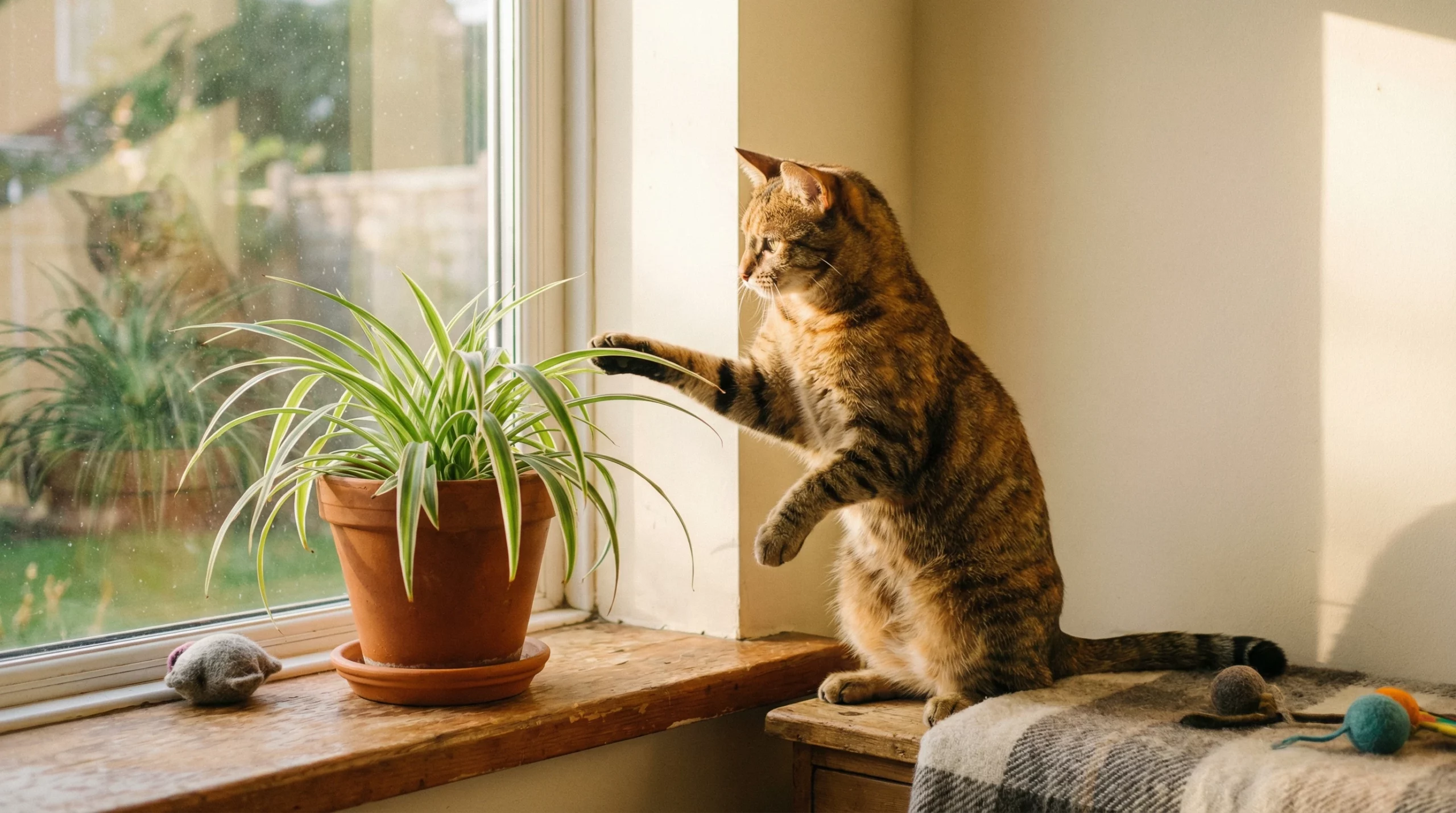
Why Does My Cat Do That? Understanding Strange Cat Behaviors
Ever watched your cat do something completely baffling, like sprint across the living room for no reason or stare at you as if you’ve just insulted their entire family line? Hi, I’m Thompson, your resident feline friend, and I get asked about my kind’s strange antics all the time. Spoiler alert: We cats aren’t just fluffy puzzle boxes. Our behavior connects to wild instincts, feelings, and everything going on around us. Here’s the scoop on those quirky moves that leave humans scratching their heads.
Understanding the Basics of Cat Behavior
People sometimes forget that every tail twitch and midnight pounce comes from a mix of oldschool wild instincts and everyday emotions. Cats are natural hunters with a good dose of caution built in. Our senses are sharp, and staying alert is how we kept out of trouble long before cozy apartments existed. Even when we live indoors, our actions tend to follow patterns set by our wild ancestors. That means if you see your cat doing something odd, we might just be acting on finely tuned instincts.
Paying attention to these roots makes it easier to decode what your cat is really trying to say, or do. If your cat kneads your blanket or meows at a closed door, there’s almost always a reason hiding beneath the surface. We’re creatures of habit and routine, and the little things sometimes let you peek into our feline thinking.
Classic Weird Cat Habits Explained
From zooming after invisible prey to kneading your favorite sweatshirt, cats love to keep you guessing. These classic moves aren’t random; they almost always point back to something deeper, whether it’s an instinct, a comfort thing, or even just a sign that your cat feels safe.
- Kneading: That push-pull motion with our paws is a real throwback to kittenhood. Nursing kittens knead to get milk from mom, and a grown cat doing it on blankets or people is usually feeling safe and happy. It’s a cat way of showing contentment, almost like making biscuits out of love and comfort.
- Cat Zoomies: Suddenly running around at top speed isn’t just for laughs. The zoomies are bursts of pentup energy, usually after a nap or a long day spent indoors. Running wild helps us burn extra energy and get our muscles moving, kind of like nature’s gym session.
- Head Butting (Bunting): When I bop you with my head, that’s called bunting. Cats use scent glands around our faces to mark people or things as “ours.” Head butts are just a friendly way to leave a scent mark and say, “Hey, you’re part of my circle.” It’s also our way of showing affection, which, to us, is a big deal.
- Staring Contests: Cats may hold eye contact for many reasons. Sometimes we want something, sometimes we’re curious, and sometimes we’re just…watching. Staring with slow blinks? That means I feel safe around you. If your cat gives you slow blinks, it’s my way of sending soft, trusting vibes. Try blinking back slowly; it really does build trust between us.
Why Does My Cat Knock Things Over?
This one gets a lot of laughs, but I know it also drives humans nuts. Cats testing gravity by shoving stuff off counters come from a place of curiosity and playfulness. In the wild, batting at things would tell us if they’re alive or safe to eat. Indoors, it’s just plain entertaining, and sometimes it gets your attention. For us, that’s a fun bonus. Secure valuables if you don’t want to risk a cat physics experiment or have us running a science lab on your countertops.
All About Cat Communication: Meows, Purrs, and More
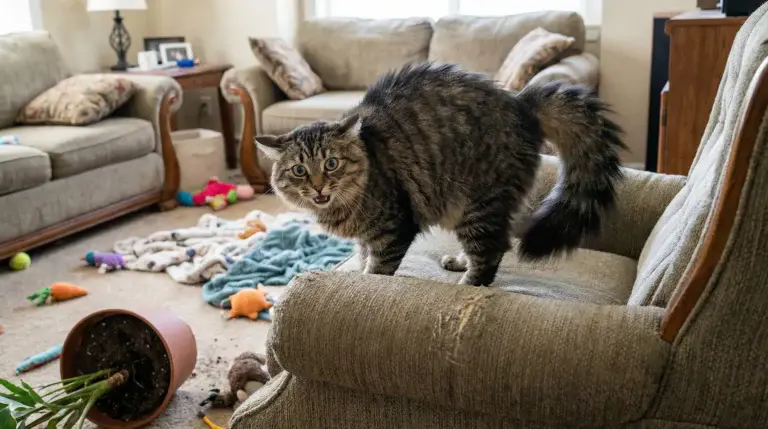
Cats are expert communicators, even if it seems subtle. Meows are just for you; adult wild cats don’t bother with them. Purring usually means I’m feeling relaxed, but sometimes it can be a self-soothing thing if I’m unwell. A tail straight up typically means “happy to see you,” while a puffed up cat is feeling spooked or defensive. That’s how we share our feelings, even if it’s super subtle at times.
Missing these cues is easy if you’re not used to cat-speak. Check for:
- Loud, long meows: Often a demand for food or attention
- Purring with tense body language: Could mean your cat needs comfort
- Hissing, growling, or hiding: Back off and give us space until we’re ready
Paying close attention to these little signs helps you understand what we need, and helps you avoid misunderstandings with your feline friend.
What’s with the Sudden Biting?
This one can be confusing. Some cats go from loving pets to tiny lovebites or even real nips in seconds. Usually, it’s not aggression; it can mean your cat is over-stimulated or wants space. Because sudden biting can also be linked to anxiety, learning how to tell cat anxiety from overstimulation makes it easier to respond calmly and avoid repeated incidents. Watch for body language, like twitching tails or skin ripples, as early clues. If I nip gently, it’s probably just a reminder to stop, please. Try to note the warning signs, like pinned back ears or restlessness, which means it’s time for a break from petting.
Midnight Antics and Early Morning WakeUps
If you’ve been woken at 4 a.m. by a cat party, you’re not alone. Cats are crepuscular, meaning we’re most active at dawn and dusk. This was the best time to hunt in the wild, so our play or feeding demands at sunrise aren’t just random; they’re built into our internal clock. Puzzle feeders, interactive toys, or tiring play sessions before bed can sometimes help nudge us to adjust a bit more to your schedule. Sometimes, blacking out the windows can help keep us calm for longer stretches, but it’s tough to completely change our rhythm.
Why Do Cats Sit in Boxes, Bags, or Tiny Spaces?
Boxes and cozy nooks make us feel secure. Enclosed spaces offer protection, and hiding out lets us watch the world from a safe spot. If you ever find your cat chilling in a shoebox or under the bed, it’s just us doing what feels safest and snuggest. Providing a few cozy hideouts around your home can make your fuzzy housemate feel extra settled, and it gives us a little space to call our own if things get noisy or hectic.
Quick Tips for Building a Cat-Friendly Home
Cats thrive when our senses and instincts are satisfied. Small changes in your place do a lot to make us happy and prevent some of the odd behaviors that leave people puzzled.
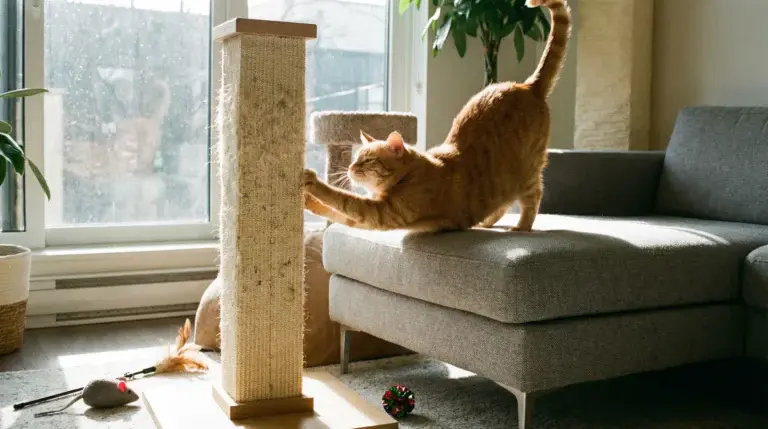
- Provide Scratching Posts: We need to scratch! It keeps claws healthy, stretches muscles, and leaves marks to signal our space. Try different types—vertical and horizontal—to fit our preferences.
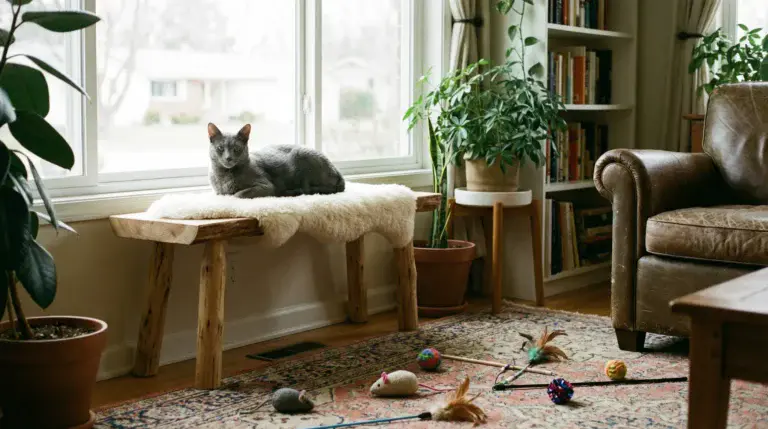
- Give Access to High Spots: Ledges, cat trees, or even cleared shelves let us observe our world safely and feel in control. The higher the spot, the more we can see and relax.
- Rotate Toys and Play Games: Changing toys keeps things fresh and provides the mental action we need. Try wand toys, balls, and puzzle feeders, which let us hunt and problem-solve indoors.
- Offer Variety in Resting Places: Soft beds, sunbeams, and quiet hideouts help us relax. Consider window perches or hammocks to let us soak up the sun.
Enriching our home isn’t tough. A little effort keeps us busy, content, and friendly. Plus, the more options we have for exercise and relaxation, the fewer mischief moments you’ll see.
What to Do If My Cat’s Behavior Changes?
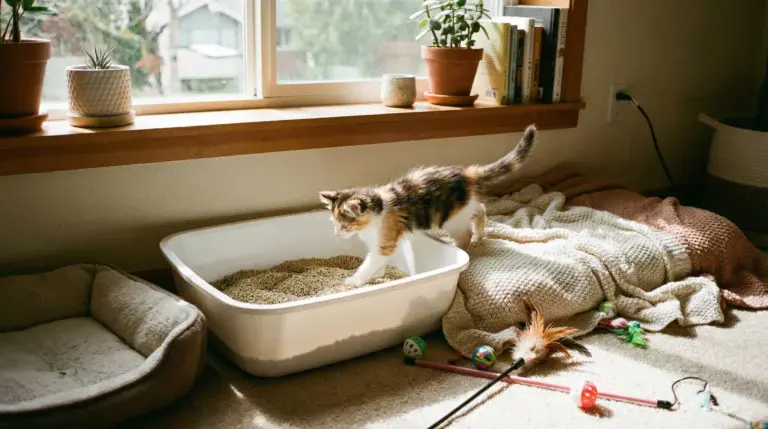
Most cat quirks are normal, but sudden switchups—like hiding more, constant aggression, or changes in appetite—are worth checking out with a vet. Health issues sometimes hide behind odd behaviors, so always keep an eye out for anything new, especially if it seems out of character. If you notice excessive grooming, accidents outside the litter box, or changes in voice, don’t wait too long before getting your furry buddy checked by a professional. For younger cats, some litter box issues are simply part of learning, and these kitten litter training tips can help build good habits early.
Frequently Asked Questions
Here’s the lowdown on some questions cat parents always seem to ask me:
Question: Why does my cat knead on me, especially when I’m wearing certain clothes?
Answer: That’s a comfort move, often linked to soft textures that remind cats of kitten days. Take it as a high compliment, since your cat feels relaxed and safe with you.
Question: Should I worry about my cat sleeping all day?
Answer: Most adult cats sleep 12-16 hours a day! Energy comes in short, wild bursts. If your cat is otherwise eating, grooming, and playing, all is well. Just keep an eye out if you notice sudden, major changes. Longer naps usually mean your kitty is content, but go to the vet if sleep habits mix with other changes.
Question: Why does my cat bring me “gifts,” like socks or toys?
Answer: It’s often a way to share “prey” with the family—that’s you! It’s part instinct, part affection. As odd as it seems, these gifts come from a place of love, and your cat is showing appreciation in the most feline way possible.
Question: Can cats get bored or lonely?
Answer: Totally. Even independent cats need playtime and social interaction. Interactive toys or another pet pal can help prevent boredom and keep your cat feeling chipper. Remember, variety keeps life fun, and spending a bit of time each day with your feline can prevent destructive behavior caused by boredom.
Making Life with Your Cat Even Better
Many of those little oddities that make you ask, “Why does my cat do that?” are just signs your furry pal is thriving in your home. Learning the signals turns confusion into connection, making it a lot easier to meet your cat’s needs and dodge the worst of those gravity experiments. Pay attention to the details and match your care to your cat’s personality, and you’ll get a happier, healthier, and, to be honest, even more entertaining feline companion. After all, sharing life with a cat means plenty of surprises, comfort, and laughs—all you have to do is keep an eye out for what makes your unique friend tick.