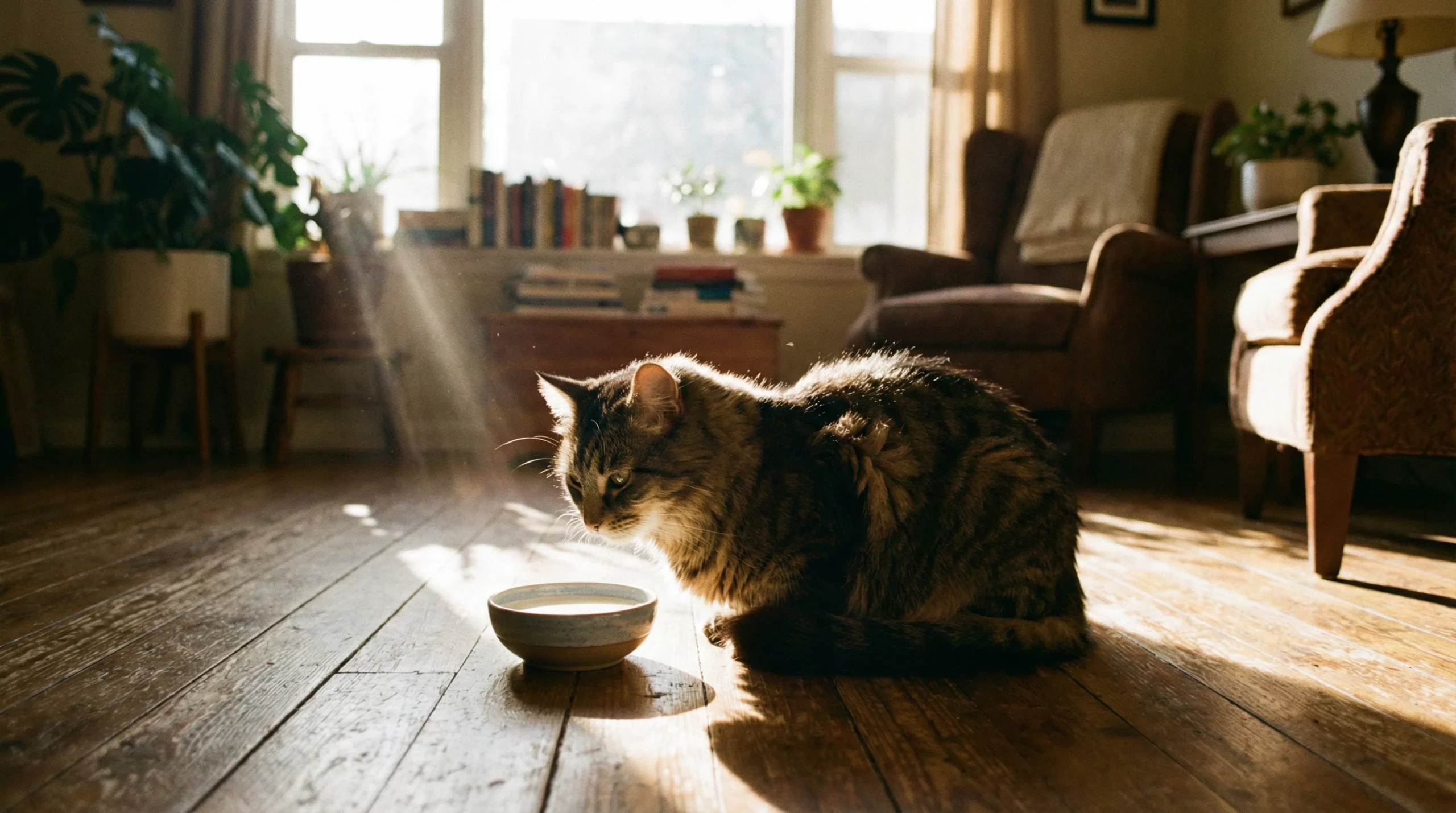
Why Are Cats Lactose Intolerant? The Science Behind Cats And Milk
I’m Thompson, the resident feline here, and if you’ve ever watched those classic cartoons, you probably assume that all cats love a good saucer of milk. The truth is, most of us genuinely enjoy the taste; there’s something about that creamy, cool texture that really gets my whiskers twitching. Still, there’s a catch that surprises a lot of humans: most adult cats can’t actually digest milk properly without running into some tummy trouble. Let’s check out what’s really going on inside when it comes to cats and milk.
Milk and Cats: The Myth Versus the Science
Stories of barn cats lapping up fresh milk have been around forever, so it makes sense that so many people think milk is the perfect treat for cats. In reality, this idea doesn’t match up with how a cat’s digestive system works. Plenty of us like the taste of milk but end up regretting it later with stomach aches, gas, or a quick dash to the litter box.
The big reason behind all this drama comes down to something we lose as we grow up: the lactase enzyme. Kittens have it. Adult cats mostly don’t, and that change makes all the difference.
What Does Lactose Intolerance Mean in Cats?
Lactose is the natural sugar found in milk—think of it as the sweet bit inside every drop. For a cat to digest lactose, our bodies need a helper: the lactase enzyme. Lactase chills out in the small intestine, and its main job is to break down lactose into simple sugars so they can be absorbed and used for energy. It’s a pretty handy system, unless you run out of lactase.
If I don’t have enough lactase (which is true for most adult cats, including me), lactose just hangs around undigested. Instead of fueling me up, it travels down to my large intestine, where things start to get messy; that’s where the trouble begins.
Why Kittens Can Drink Milk but Adult Cats Can’t
Back when I was a kitten, milk was my main menu item. Mother cats’ milk is loaded with all the nutrients growing kittens need, and during this stage, kitten bodies are packed with lactase so they can handle it easily. It’s basically our first superpower.
Stuff changes pretty fast, though. Once a kitten finishes weaning, usually between 6 to 8 weeks old, the body doesn’t make as much lactase anymore. By the time we’re adults, the enzyme just isn’t around in high enough quantities to handle regular milk. That’s normal from a biological perspective. Wild cats switch right to meat after weaning, so our bodies just weren’t designed to keep lapping up milk well into adulthood.
What Happens When Cats Drink Milk?
When I sneak a sip of regular milk, the lactose passes through my small intestine undigested and lands in the colon. There, gut bacteria start working on it. The problem is, those bacteria break down lactose by fermenting it, which leads to gas, stomach noises, and sometimes watery or messy poop. You might notice your cat acting restless, visiting the litter box more often, or letting out some pretty impressive toots.
It’s not just an inconvenience; it’s seriously uncomfortable, especially for cats with sensitive stomachs. If you’re curious where milk fits in a kitty’s diet and what’s safe, check out my guide: Should I Give My Cat Milk?
Are All Cats Lactose Intolerant?
Not every cat will react to milk the same way. Some cats might manage an occasional lick or two without any major fallout, but as a rule, most grown-up cats are at least somewhat lactose intolerant after being weaned. Tolerance really comes down to how much lactase is still left in the gut; for most adults, it’s pretty low.
There’s always the odd cat who seems totally fine slurping up milk, but those cases are rare. And even if those cats don’t show obvious symptoms, regular milk isn’t providing anything their bodies really need.
Is Lactose-free Milk Safe for Cats?
Some folks spot special “cat milk” or lactose-free milk at the pet store and wonder if that’s a smooth workaround. Lactose-free milk has the lactose removed or broken down, so it’s not as likely to cause digestive upset. If you’re going to offer milk as a treat, the lactose-free kind is definitely the safer pick.
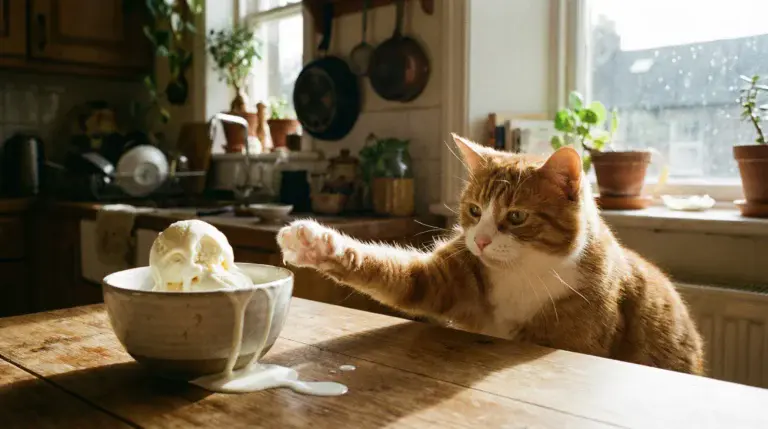
One thing to keep in mind: lactose-free milk is still loaded with calories and fat. Cats are meat eaters by design, not milk sippers. Giving too much— even the special kind— can lead to weight gain or digestive upset. It’s best kept as a rare treat, not a daily drink. Curious about other dairy treats that might be safe? You can track down more in my answer to Can Cats Eat Ice Cream?
Signs Your Cat May Be Lactose Intolerant
If you ever slip your cat a little milk (hey, curiosity gets everyone!), keep an eye out for these signs:
- Diarrhea: Loose or watery stools show up in the litter box.
- Gas: Cats aren’t famous for farting, but milk can bring it out.
- Stomach noises: Gurgling or rumbling sounds from their belly after eating.
- Restlessness or discomfort: Your cat might pace, seem unsettled, or spend more time licking their belly.
Symptoms usually show up within 8 to 12 hours after milk is consumed, so if things seem off, that’s a solid clue lactose is the culprit.
The Bottom Line: Why Cats and Milk Don’t Mix
There’s a real biological reason cats shouldn’t drink regular milk. Our digestive systems just aren’t built for it past kittenhood. While it might be tempting to share a nostalgic treat, milk isn’t something your cat actually needs, and it often does more harm than good.
If you want to pamper your feline buddy, stick with commercial treats made just for cats, or offer tiny amounts of cooked meat as a snack. Fresh water always wins for the main drink, no matter what age your cat is. Keeping your kitty happy (and their belly calm) is all about giving them foods that their bodies are designed to handle.
Frequently Asked Questions
Here are some questions I get about cats, milk, and what’s actually safe to share with your whiskery pal:
Can kittens drink milk?
Absolutely, kittens are built to drink their mother’s milk. It’s got all the nutrients they need, and their systems are ready to break down the lactose. Cow’s milk isn’t a great substitute, though, since it’s missing key nutrients for kittens.
Can cats outgrow lactose intolerance?
It actually works the other way! Kittens can digest milk, but as they get older, most cats lose that ability. It’s rare for an adult cat to suddenly regain those lactase superpowers. If your grown cat doesn’t seem bothered by milk, consider it rare luck, not a switch up in nature.
Can cats drink lactose-free milk?
Lactose-free milk is a safer choice and is less likely to cause those unpleasant symptoms. Still, only give it as an occasional treat and not too much at once. Offering dairy regularly—even the special kind—adds extra calories your cat doesn’t really need, so keep it in moderation.
If you’re thinking about sharing a dairy treat, check out my extra guides: Should I Give My Cat Milk? and Can Cats Eat Ice Cream?
Cats and milk might make an eye-catching picture, but science says our stomachs don’t enjoy the aftermath. Learning the truth will help your kitty stay comfy—and save your carpets a lot of trouble too.