Understanding Your Cat’s Digestion: How It Works
If you’ve ever watched a cat chase a bug, chew on grass, or demand dinner at the same time every day, you might start wondering: what exactly is happening inside that furry belly? As Thompson the cat, I’ve learned a thing or two about how our stomachs handle all the delicious (and sometimes questionable) things we find to eat. Here’s a close-up look at how feline digestion works, why it’s different from other animals, and how you can help support a healthy tummy for your favorite whiskered friend.
Feline Digestion: The Basics
Digestion isn’t just something that happens when a cat eats a tuna snack; it’s a pretty complex process designed to break food down so it powers all our cat-like activities. Cats are what you call “obligate carnivores.” This means our bodies are set up to get most of our nutrition from animal protein. While dogs and humans can get by on a mix of plants and animal foods, cats need nutrients found almost entirely in meat. If you see your kitty chewing on grass, chances are it’s more about instinct and hairball control than nutrition.
The digestion process starts the minute a cat sniffs out a meal, and goes all the way through until… well… you clean out the litter box. Understanding each step will help you see why diet, portion size, and meal timing can really make a difference in a cat’s health. Plus, with so many interesting quirks about how we felines process food, there’s always something new for curious cat guardians to check out.
Walkthrough of the Cat Digestive System
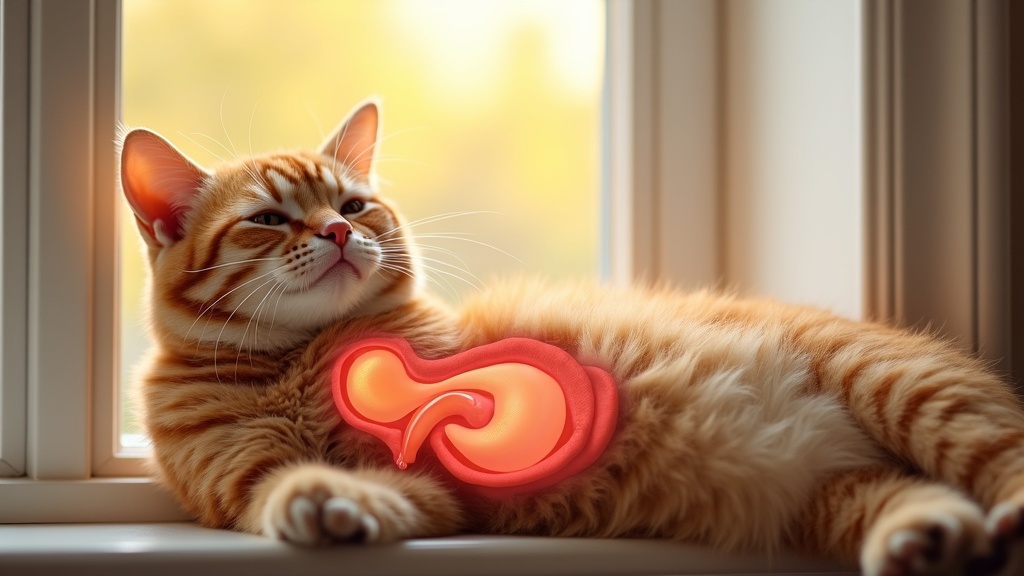
A cat’s digestive system is more than just a stomach. Here’s how everything teams up inside:
- Mouth: A cat’s sharp teeth and rough tongue help tear meat into manageable pieces. Cats don’t have many teeth fit for grinding, because we mostly slice and swallow. Saliva helps, but it contains fewer enzymes than in people or dogs.
- Esophagus: This busy tube moves food from the mouth to the stomach through a series of muscle contractions.
- Stomach: Here’s where the magic starts. Stomach acids are strong enough to break down big chunks of meat, and the stomach muscles help grind food further.
- Small Intestine: Most digestion and absorption happen here. Nutrients pulled out here are delivered straight to a cat’s blood to power all that napping and play.
- Large Intestine: The colon absorbs any leftover water and makes what’s left into stool. Fiber helps keep things moving, though cats don’t need as much as other animals.
On average, it takes less than 24 hours for food to make its way through a cat’s entire system. If something slows down or speeds up this process, you’ll notice changes in appetite, energy, or litter box habits. The cat digestive tract is specialized for efficiency and helps cats get the nutrients they need quickly from animal-based foods.
Key Nutrients Cats Need for Healthy Digestion
Cats can’t just chow down on anything. Our digestive system and metabolism require some very specific nutrients, most of which come directly from animal tissue:
- Protein: Provides essential amino acids cats can’t make themselves. Super important for building muscle, fur, and supporting the immune system.
- Taurine: An amino acid only found in animal tissue. Cats who don’t get enough of it can develop heart and vision problems.
- Vitamin A & D: Cats can’t convert beta carotene or sun exposure into these vitamins like other animals. We get all of ours by eating other animals.
- Fat: Gives energy, helps absorb vitamins, and keeps our coats shiny.
- Water: Cats don’t have a strong thirst drive, so wet food or a running fountain can be really helpful for keeping us hydrated and supporting kidney health.
Choosing a diet that skips these essentials not only affects digestion but can lead to health issues. Foods meant for dogs or people aren’t a safe swap since cats miss out on these key nutrients. Remember, a well-balanced diet keeps the feline digestive system humming along. For more info, see my article, “Balanced Cat Diet Guide”.
Common Feline Digestion Challenges
Even with the right food, digestive upsets happen. I’ve found that these issues are pretty common:
- Hairballs: Cats swallow a lot of fur when grooming. Most of it passes out normally, but sometimes it forms a hairball in the stomach and needs to be thrown up. Regular brushing and “hairball control” diets can help keep things, and fur, moving smoothly.
- Vomiting: This can be caused by eating too fast, new food, or even stress. Occasional vomiting isn’t always serious, but frequent throw-up sessions mean it’s time to check in with the vet.
- Diarrhea: Changes in diet, infections, or stress can set off some tummy trouble. If diarrhea lasts more than a day or two, your cat can get dehydrated quickly.
- Constipation: Dry food, hair, dehydration, or underlying illnesses can make a cat’s stool hard and tough to pass. Wet food and regular water help, but sometimes the vet needs to step in.
- Food Intolerances or Allergies: Not common, but sometimes a certain protein or ingredient disagrees with a cat. You’ll usually notice chronic tummy upset, itchy skin, or even ear problems.
Other troublemakers for cat digestion include abrupt food changes and certain medications. A gradual switch (over 7–10 days) to new food often smooths the way for your cat’s tummy.
Tips to Support Healthy Digestion in Cats
Helping your cat feel good starts with a few basic habits. Here are some easy things you can do for smoother digestion:
- Feed a Consistent, High-Quality Diet: Stick to recipes designed for cats, whether you’re using dry, wet, or raw. Changing foods too often can lead to upset stomachs.
- Offer Plenty of Fresh Water: Cats enjoy running water, so a fountain or multiple water bowls can encourage more drinking, especially if your cat prefers dry food.
- Control Portions and Meal Times: Overeating is a common cause of vomiting or obesity. Feed measured portions at set times for healthiest results.
- Minimize Stress: Cats love routine. Sudden changes, new pets, or loud noises can lead to an upset stomach. Calming aids or even extra playtime can help with stress-related digestive issues.
- Regular Veterinary Checkups: Issues like dental problems, parasites, or chronic illnesses can sneak up on cats. Regular check-ins help spot and treat problems early.
Also, create a feeding station in a quiet place and stick to a schedule. This predictability makes it easy for your cat’s digestion to get into a rhythm, and it helps you spot any changes fast.
Digestion Problems: Red Flags to Watch For
Cats are pretty good at hiding discomfort, but some signs let you know they need help soon:
- Repeated vomiting or hairballs more than twice a month
- Diarrhea lasting more than two days
- Blood in stool or vomit
- Lack of appetite for over a day
- Sudden weight loss, sluggishness, or changes in litter box habits
Any of these signs mean it’s a good idea to call your vet for guidance. Fast action can prevent small tummy troubles from turning into bigger health issues. Always better to get a thumbs up from your vet than to wait and see.
How Feline Digestion Differs from Other Pets
People sometimes assume cats and dogs can eat the same foods, but that’s not the case. Cats need more protein, special amino acids, and vitamins that are only found in animal products. The way our stomach and intestines process food just isn’t built for a lot of grains or veggies. While dogs can munch carrots or even enjoy some fruits, cats stick mostly to meat and need less fiber in their diet.
That’s also why things like onions, garlic, chocolate, and dairy aren’t just a bad idea for cats; they’re actually toxic or really hard for us to digest. What looks like a treat to you can spell trouble for our digestion, and for your cleaning schedule. Since our digestive system is built for meat, the kinds of snacks people and dogs eat just don’t fit the bill.
Frequently Asked Questions
How can I tell if my cat’s food is good for digestion?
A healthy cat will usually have a shiny coat, steady weight, small and firm poops, and plenty of energy. If you notice frequent digestive issues, try switching to a different protein or a diet for sensitive stomachs after talking with your vet.
Do cats need probiotics?
While most cats do fine without them, some with chronic tummy issues or after antibiotics can benefit from probiotics. These “good bacteria” support a healthy gut, just like in people, but always ask your vet before trying a supplement.
Why does my cat vomit after eating too fast?
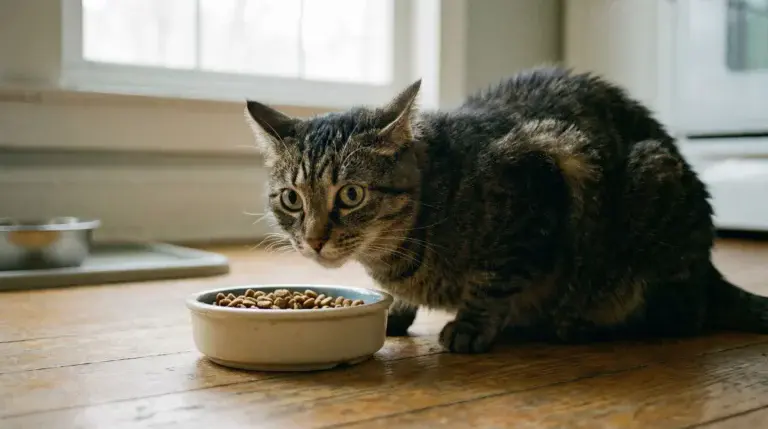
Cats sometimes gobble up food, which can lead to regurgitation. Slowfeeding bowls, spreading food out, or feeding smaller, more frequent meals can help slow things down.
The Takeaway: Healthy Bellies Mean Happy Cats
Understanding what happens after a cat scarfs down a meal helps you make choices that keep your furry buddy in top shape. From choosing the right foods to watching for warning signs and sticking to regular checkups, you can give your cat a strong foundation for lifelong health. Healthy digestion is about giving your cat a happier, more playful life, and, from one cat to another, isn’t that what we all want?
Whether you’re new to sharing your home with a cat or just curious about what’s happening inside that adorable furball, knowing more about feline digestion makes feeding and caring for your cat a whole lot smoother, for both of you. Plus, with better knowledge, you can spot issues early and keep your kitty feeling their best every day.