Understanding Cat Vaccination Schedules: What Cats Need and When
If you’ve ever curled up on a sunbeam and wondered why your human hustles off to the vet with you once a year, you’re not alone. I’m Thompson, your resident feline guide, and today I’m walking you through everything you need to know about cat vaccination schedules. Vaccinations are super important to keep us kitties purring along healthily, but all those shots and confusing labels can leave both cats and humans scratching their heads.
Why Vaccinating Your Cat Is Really Important
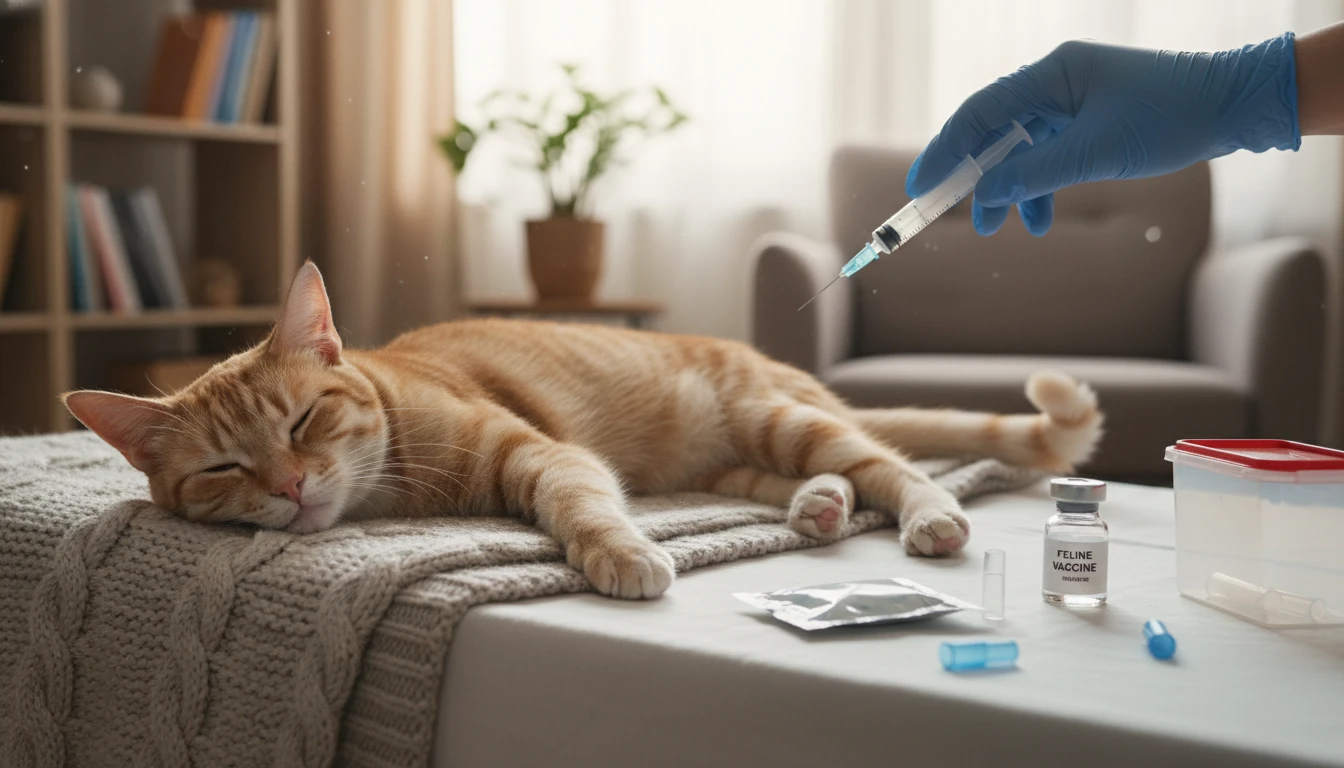
Vaccines are designed to prep our immune systems for nasty bugs before we even run into them. Some diseases can be dangerous (or even fatal) for cats, so vaccines lower the risk by helping us fight off infections. Even if you’re an indoor only cat like me, viruses sometimes hitch a ride in on shoes, clothing, or a drafty window. Plus, a vaccinated cat helps keep other pets (and maybe even humans) safer too. The main thing to know here: Vaccinations aren’t just about following rules. They help keep cats like me living our best lives, chasing string, and stealing just baked chicken when you turn your back.
Core Vaccines Every Cat Needs
There are two basic categories: core and non-core vaccines. Core vaccines are considered pretty important for every cat, no matter their age or where they live. Here are the basics you’ll see on most vet schedules:
- FVRCP Vaccine: Protects against Feline Viral Rhinotracheitis, Calicivirus, and Panleukopenia. This is your all-in-one vaccine for those common contagious diseases that cause anything from sneezing fits to tummy disasters.
- Rabies Vaccine: Rabies is rare in indoor cats, but it’s fatal and required by law in a lot of places. Even if it seems like an overcautious human rule, it’s a safe bet for healthy cats and communities.
Veterinarians in most countries would agree that kittens should start with these core vaccines, continuing with boosters as they grow into adulthood.
Additional (Non-core) Vaccines and When They’re Needed
Non-core vaccines cover specific diseases that aren’t as universal, but could be a real problem for some cats, depending on their lifestyle. If you’re the type who likes to sneak outside when the door is cracked, or you share your space with other cats, you might end up needing these:
- Feline Leukemia Virus (FeLV): Recommended for all kittens and cats who go outdoors or live with FeLVpositive housemates. It helps protect against a virus that can cause cancer or immune problems.
- Bordetella and Chlamydia: Vaccine is given in certain cases, like if your cat goes outside, boards at a cattery, or joins a multi-pet household. Check with your vet about these, they’re used more selectively.
Your vet might bring up other vaccines based on outbreaks in your area or if your cat’s immune system is compromised. Each cat’s ideal vaccine plan is customized. Your best bet is to talk to your vet about your specific cat’s risk factors.
Understanding the Typical Cat Vaccination Schedule
Vaccine schedules might look overwhelming at first, but once you break them down by age, they’re actually easy to follow. Here’s a simple outline, but keep in mind that your vet might tweak this based on your cat’s needs or local regulations.
- Kittens (8-16 Weeks): Kittens get a series of FVRCP shots. Usually at 8, 12, and 16 weeks. Rabies and FeLV are given after 12 weeks, depending on risk.
- Young Adult Cats (One Year): Booster shots around a year old for FVRCP, Rabies, and FeLV if applicable.
- Adult Cats (After One Year): Booster for FVRCP every 1-3 years depending on the vaccine used. Rabies boosters timing depends on local law, often every 1-3 years as well.
Basically, kittens start with the most intensive schedule, then shots get spaced out as cats grow. Annual wellness visits make it easy for your vet to keep your vaccine plan on track after that. Sticking to the schedule ensures your fluffy pal has the best protection, and it often keeps your vet visits short and routine.
Things to Think About Before Your Cat’s Next Vaccination
Some cats, like me, really don’t enjoy long trips in the carrier or being poked with needles. Here are a few things you or your human might want to keep in mind:
- Health Status: If your cat isn’t feeling well or has a chronic health condition, your vet might adjust the vaccine plan. Always let the doc know about recent symptoms or illnesses. See my article, “How To Identify Common Cat Diseases” for a more detailed list of symptoms and illnesses.
- Indoor vs. Outdoor Lifestyle: Outdoor cats or cats with cat buddies need more protection due to higher risk of disease exposure. Sometimes, indoor cats skip FeLV, but it’s always given to kittens.
- Previous Reactions: Most cats handle vaccines just fine, but if your cat had a weird reaction before (like swelling or feeling really sick), definitely share that with your vet before your appointment.
- Travel and Boarding Plans: Some catteries or airlines have specific vaccine requirements for boarding or travel, which might mean extra shots or paperwork are needed well in advance.
Health Status and Chronic Illnesses
If your cat has any sort of chronic concern (like kidney issues or an immune disorder), your vaccination schedule could be a bit different. The goal is always to lower risk without putting extra pressure on your cat’s body, so open communication with the vet is the best way to adjust things safely. Don’t hesitate to ask your vet any questions—they’re there to help you make the best decision for your pet’s comfort and protection.
Special Considerations for Kittens and Senior Cats
Kittens have immature immune systems, so getting that initial vaccine series (with boosters at the right interval) is seriously helpful in the long run. Senior cats sometimes have health changes that could impact vaccine choices or timing, so regular checkups help your vet spot any red flags before shot day. Growing kittens and aging cats both benefit from extra attention to detail, making every stage of their life as safe as possible.
Common Cat Vaccination Questions
Here are answers to some things cat parents ask me about all the time:
Question: Will vaccines make my cat sick?
Answer: It’s common to be a little sleepy after shots, maybe less playful for a day or two. Side effects beyond that, like allergic reactions, are rare but possible. If you notice facial swelling, vomiting, trouble breathing, or your cat just seems very unwell, call your vet right away. Most cases of post-vaccine funkiness clear up on their own.
Question: Should indoor only cats get vaccinated?
Answer: Yup. Indoor cats are usually a lot safer, but accidents like a window left open or a surprise new roommate (hello, rescue kitten!) can happen. Core vaccines help cover unexpected exposures, even for us house cats.
Question: How do I stay on schedule?
Answer: Your vet’s records keep you organized, but it never hurts to mark your calendar. Many clinics send email or text reminders, which is super handy if you have more than one furry friend to keep track of. Making a yearly plan with your vet makes the whole process easier and ensures nothing gets missed.
Question: Do older cats need boosters?
Answer: Adult booster schedules can be spaced further apart, depending on vaccine brand and local recommendations. Your vet will let you know what’s safe, but keeping up with at least rabies and FVRCP is still important through those golden years.
Tips for a Low-Stress Vaccine Visit
I’m all for health, but even I’d rather nap than visit the vet. Here’s what makes shot day easier on both cats and humans:
- Bring your cat’s favorite blanket or a toy for extra comfort during the appointment.
- Try to keep the carrier out before the visit so your cat doesn’t only see it when it’s time for the vet.
- Ask your vet staff about ways to help minimize stress or pain, like treats, pheromone sprays, or gentle handling techniques.
Positive experiences go a long way toward making vaccines a regular (and much less scary) part of cat care. Over time, your cat may not dread the vet as much and your own anxiety can go down knowing things will be calmer.
Keeping Track: Why Vaccination Records Matter
A quick record check is super useful if you move, travel, or need to board your cat. Detailed records help keep track of which shots are due next, and they’re also proof for travel and boarding. If you lose your paperwork, just ask your vet for a digital or updated copy. Digital records are easy to keep, and you always have backup if you misplace the physical papers.
Final Notes from Thompson
Understanding cat vaccination schedules helps both cats and their humans keep things running smoothly. Whether your kitty spends all day indoors or explores the great outdoors, regular vaccines mean fewer worries. I always suggest chatting with your vet to figure out exactly what’s best for your feline friend’s age, health, and lifestyle. Staying up to date today saves you and your human some bigger headaches later, so you can focus on the fun stuff, like more nap time and extra treats. Make every visit count by double checking your records, keeping on top of schedules, and asking your vet if you need something explained. That way, every kitty gets the care they deserve—in every season of life.