Top Rated Cat Grooming Equipment for Home Use
Grooming is one of those routines that cats and humans both have opinions about. I’ve had my whiskers in just about every grooming tool on the market, so I’ve seen (and felt) the good and the weird. If you’re new to the world of cat brushes, nail trimmers, combs, and wipes, it can be tough to know where to start. I’m here to share the ins and outs of top-rated cat grooming equipment, what’s worth a sniff, which ones make me want to swipe at your hand, and how to get the most out of your gear for every cat coat type.
Cat Grooming Tools: Every Category and Their Jobs
Cats are famous for grooming, but we all need a little help sometimes. Different coats and personalities mean certain tools work better for different jobs. Here’s how the main categories break down:
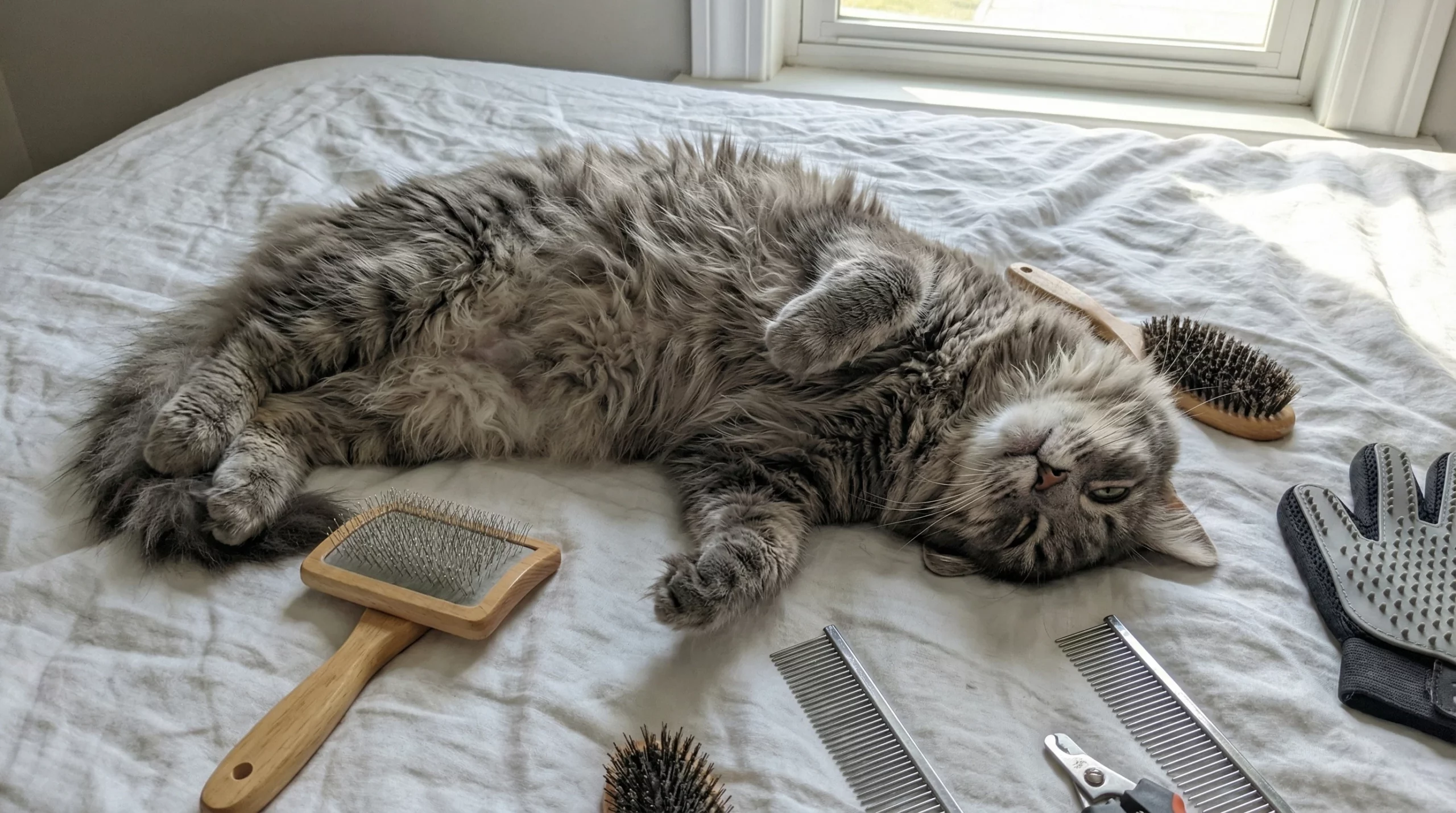
- Brushes: Detangle, deshed, and keep our coats shiny. Some I tolerate, some I plot revenge for.
- Combs: Great for fine detail work and finding hidden mats, especially on long-hairs or behind the ear trouble spots.
- Nail Trimmers: Snip down those claws before they get snagged in the curtains, or your furniture.
- Cleansing Wipes: Pretty handy for spot cleaning dirt or dander, especially on my less flexible days.
Every tool has a purpose, and what works best depends on your cat’s coat and attitude toward grooming. Some days, it’s a full spa session. Some days, a single stroke makes me leap dramatically off the bed.
How Different Tools Work on Different Cat Coats
Short-haired cats can get by with less frequent grooming, but try ignoring your long-haired pal for a week and see if you don’t end up with a walking dust bunny. Here are some thoughts on popular tools and which cats they serve best:
- Slicker Brushes: These brushes are great for medium to long coats, think Maine Coons or Persians. They’re made to detangle and remove loose fur while keeping my skin happy, if you go gently.
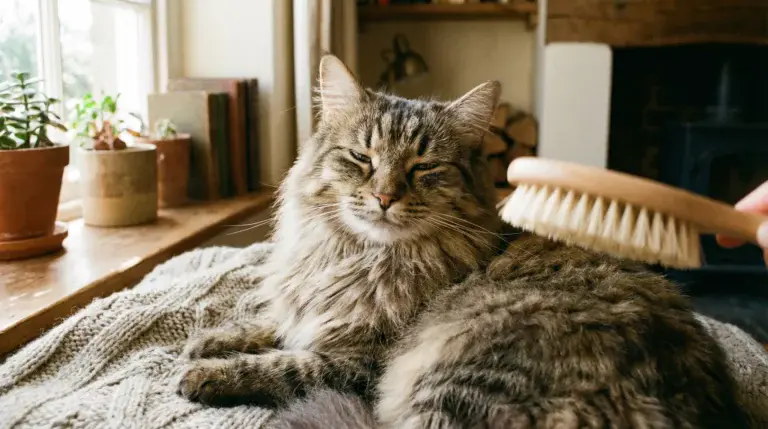
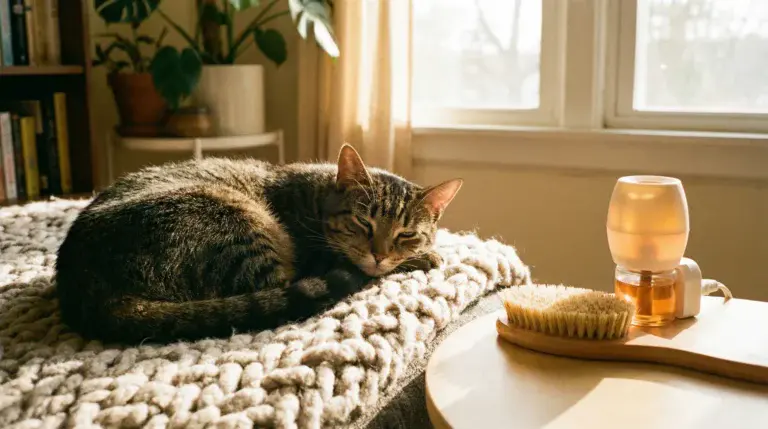
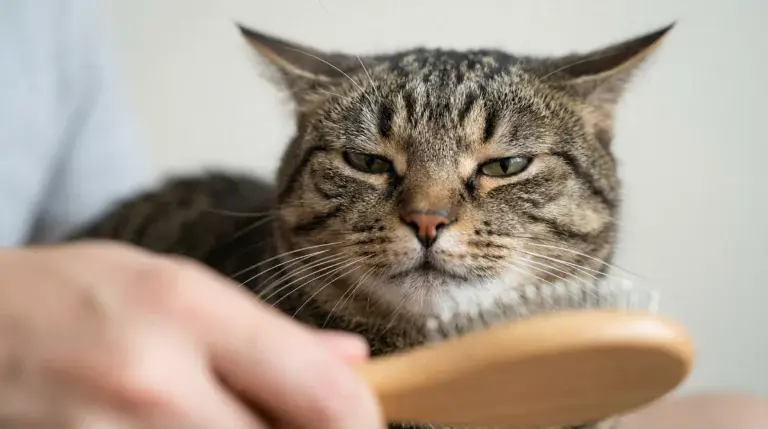
- Bristle Brushes: The classic for short-haired types like me (I’m a domestic shorthair). They pull out dust and give my coat shine. Not particularly scary, so I don’t usually plot revenge.
- Deshedding Tools: The moment I see the FURminator, I get a little twitchy. It pulls out boat-loads of undercoat, perfect for heavy shedders and spring time. Use it once a week for best results and be gentle on sensitive areas.
- Fine-Toothed Combs: These are perfect for detail work, getting rid of little mats, and detangling around my face or paws. Long-haired cats or mat-prone seniors really need their humans to be patient with the comb.
- Rubber Grooming Mitts: These slip over your hand and, honestly, feel like a nice massage. They work well for short-haired cats or nervous first-timers.
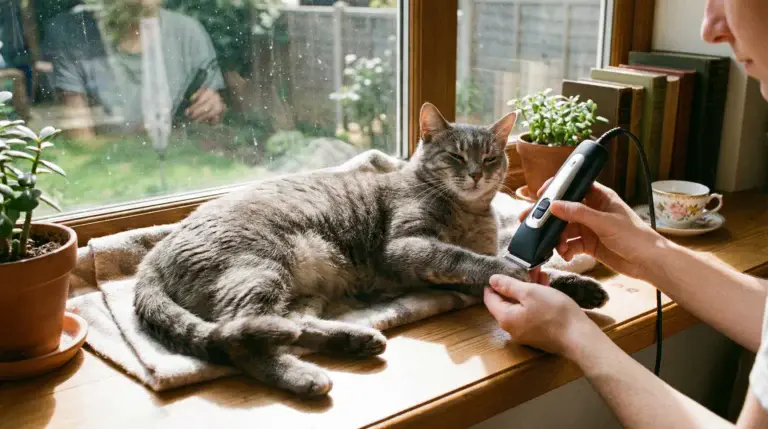
- Nail Trimmers: Don’t skip these because you’re nervous. Overgrown claws are painful! There are basic scissor style, guillotine style, and even electric grinders if you don’t mind the little buzz (I definitely mind the buzz).
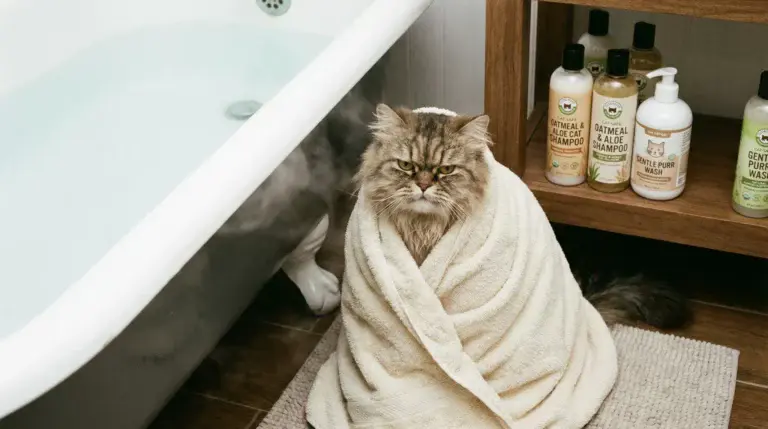
- Cleansing Wipes: My pick for spot cleaning the rear, paws, or chin. Hypoallergenic wipes are good for cats with skin issues or allergies.
Getting Your Cat to Tolerate (or Even Enjoy) Grooming Tools
Every cat has ‘that spot’ they love and another spot that earns you a judgmental glare. Successfully introducing grooming tools comes down to patience and smart tactics. Here’s what my own human has learned, sometimes the hard way:
- Introduce Slowly: Wave new brushes or trimmers nearby so I can sniff and investigate, without forcing.
- Pair With Treats: My favorite snacks go a long way toward helping me tolerate a new brush. Positive reinforcement always helps.
- Keep Sessions Brief: Especially when you’re just starting, aim for a minute or less. Sticking to short bouts stops me from thinking grooming equals marathon torture.
- Pet Then Groom: Start each session with regular petting, and ease the brush in when I’m already relaxed and purring.
- Pay Attention to My Mood: If my tail’s twitching or ears go back, back off. Next time, start slower or switch to a gentler tool.
Building trust around grooming pays off. I now (sometimes) flop over and let my human brush my belly for a whole 20 seconds. That’s a record in cat years. (For more tips on grooming, see my other article, “How To Groom My Cat For Healthy Fur”.)
Quick Pick: The Best Cat Grooming Tools for Every Need
- Slicker Brush: A must for long-haired breeds like Himalayans and Ragdolls.
- Bristle Brush: Awesome for daily maintenance on short-haired cats, including tabbies, Siamese, or British Shorthair.
- Deshedding Tool: Worth checking out for medium and long-haired cats during heavy shedding periods (think: spring and fall).
- Nail Clippers: Look for sharp, easy to handle clippers designed for small pets, like the JW Pet Gripsoft Cat Nail Clippers or the Zen Clipper. These keep claws manageable without too much drama.
- Cleansing Wipes: Hypoallergenic, fragrance free wipes like Pogi’s Grooming Wipes or Burt’s Bees for Cats. Lifesavers for cats who hate baths or senior cats.
- Rubber Grooming Mitt: Super useful for anxious cats or those who think regular brushes are a betrayal.
It’s always best to add new items one at a time and see what your cat’s reaction is, as no two felines respond the same way.
What to Look for: Materials, Comfort, and Maintenance
Top rated doesn’t always mean top comfort for cats or humans. The handle of a brush should feel steady and comfortable for your human, and the teeth or bristles need to be gentle on my skin. Stainless steel combs last longer and are easy to clean. Some grooming gadgets are even dishwasher safe, which makes life easier for the person washing out stray fur every week.
If you’re shopping online, it helps to read user reviews and see what other cats and humans are saying. Cheaper tools might look tempting, but poor materials mean tugging, snagging, or broken bits that ruin the grooming mood fast. Investing in quality means less drama and longer tool life. Pay attention to how easy tools are to clean too, since leftover fur and skin oils can gunk up even the fanciest brush over time.
Challenges and Catty Reactions: What Can Go Wrong?
I have opinions about every tool. Some I barely tolerate, some I love, and some get batted directly under the couch. Here are a few common challenges and what to do about them:
- Tool Aversion: If I growl or swat at a brush, offer treats, use a gentler tool, or try again later. Never force it. Remember, building trust is super important.
- Knotty Coats: Mats can get out of hand, especially on longerhaired cats. Use a detangling spray (make sure it’s catsafe) and a wide tooth comb, and always work slowly from the tips of hair toward the base.
- Nail Trim Drama: If nail trims lead to wrestling matches, try doing one paw at a time and give lots of praise. Sometimes, having a second person to give cuddles or distractions can help.
- Skin Sensitivity: Bald spots, redness, or lots of dandruff? Switch to hypoallergenic products and talk to a vet. Some skin problems need more than grooming gear to fix.
Advanced Grooming Tips to Keep Me =Looking My Best
Once you and your cat feel good about basic grooming, there are a few extra steps that really make us glow:
- Brush Regularly: Consistency helps keep mats and shedding to a minimum. I actually look forward to my brushings on good days (as much as any cat can).
- Trim Nails Every 2-4 Weeks: Regular trims are easier for both me and my human, and keep claws from curling into paws or getting stuck in blankets.
- Check Ears and Teeth: Not a daily chore, but checking and gently wiping ears (with cat-safe wipes) and brushing my teeth on occasion keeps me fresh and healthy.
- Make It Fun: Some cats love a bit of catnip or a feather toy at the end of a grooming session. Keeps the vibe friendly, not forced.
Don’t forget: Matting can sneak up on even tidy cats, and regular brushing reduces furballs. By making grooming a habit, you might even notice skin conditions or pest problems sooner, which helps us all stay healthier.
Frequently Asked Questions About Cat Grooming Gear
If you’ve spent time researching brushes and clippers, you’re not alone. These are the questions I hear humans ask all the time (between feeding me, of course):
Question: What’s the easiest grooming tool for cats that hate being brushed?
Answer: Try a rubber grooming mitt. Most of us think it’s just extra petting, and it’s much gentler than hard bristles or metal combs.
Question: How often do I need to trim my cat’s nails?
Answer: Every 2-4 weeks is a pretty safe interval. If you hear clicking on the floor, that’s a sign it’s time for a trim.
Question: Can I use dog grooming products on my cat?
Answer: Some products work for both, but it’s best to stick with cat-specific shampoos and sprays. We’ve got different pH needs and skin sensitivities.
Final Thoughts from Thompson the Cat
Finding the right cat grooming equipment is all about fit, comfort, and (maybe most of all) getting your cat used to the ritual. Over time, good tools mean a cleaner house, fewer hairballs, and a shinier, happier cat. I might act aloof, but a good brush with the right tool feels pretty great, when I’m in the mood anyway. Just remember: treats, patience, and reading the room are your best tools of all. And for all this talk of brushes and trimmers, sometimes nothing beats a gentle hand and a soft voice for making any grooming session a hit.