Top 10 Cat Communication Tips
Building a strong bond with your human comes down to good communication, even if you’re a cat like me. Sometimes, it feels like we’re speaking totally different languages. But with a bit of effort (and a few well-timed purrs), your human can get much better at understanding what you’re trying to say. Better communication not only keeps things running smoothly at home but also helps you feel safe, more relaxed, and genuinely understood.
Many humans struggle with reading feline signals and miss out on the messages we send. Confusion usually leads to issues, like meowing that’s misread as annoyance or playful tail swishes that accidentally start a game of chase when you were hoping for a nap. The cool part is that small tweaks and a bit of patience can help bridge the gap between cats and humans. By making even small efforts and really paying attention, humans can help us cats feel more at home and understood every day.
Here are my top 10 tips for improving cat communication, and they work for both sides. With these, you can help your human get more in tune with your needs and feelings, leading to fewer misunderstandings and a cozier home for everyone. Get ready to learn how to make life with your feline friend smoother, happier, and way more fun.
1. Decode That Meow: Listen for Different Meanings
Not every meow is the same. I use a whole range of sounds to get my point across. A short meow might just be “hello,” while a drawn-out one could mean “pay attention to me!” Some meows are soft and friendly, while others are sharp and loud if I’m feeling annoyed or hungry.
- Sharp, loud meow: Usually means I really want something, like food or to go outside.
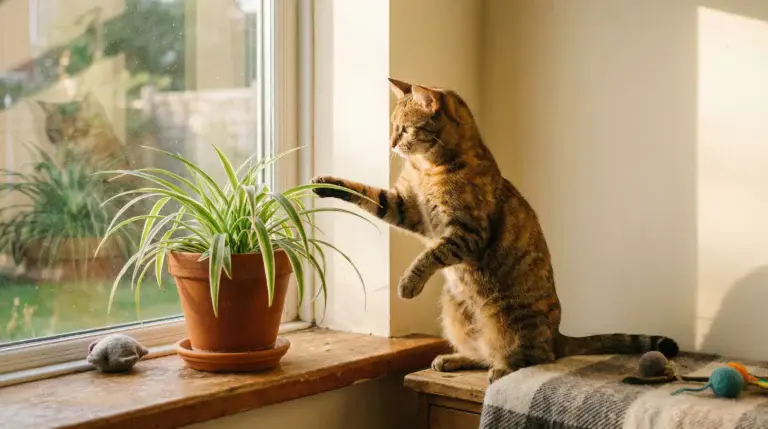
- Chirps or chatters: That’s my hunting mode, often triggered by watching birds through the window.
- Purring: Most of the time it means I’m happy, but I might also purr to comfort myself if I’m stressed.
Get to know your cat’s unique sounds by paying attention to when and how often different meows pop up throughout the day. Context clues are super useful for getting it right. Every cat, just like every person, has their own unique meow patterns, so getting familiar with yours helps build understanding between you two.
2. Watch the Body Language
I say a lot with my body, much more than with meows. My tail, ears, eyes, and posture work together to show how I’m feeling.
- Slow blinking: This is my way of saying I trust you. Try blinking slowly back and you’ll probably get another one in return.
- Tail up: Means I’m happy or excited to see you.
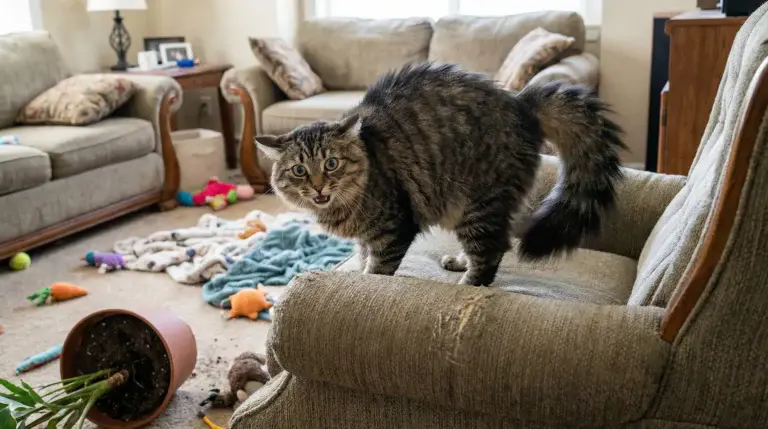
- Flattened ears or puffed tail: That’s a sign I’m scared or agitated, so give me a little space.
Learning these signals can help you spot when your cat wants cuddles, space, or maybe some playtime. A relaxed cat is open to interaction. A tense cat might just need some alone time. Pay attention to subtleties like where my whiskers are pointing or if my back is arched; those little signs offer a lot of insight. These same body language cues often show up before grooming-related meltdowns, which is why understanding why cats get aggressive during grooming helps humans avoid pushing past a cat’s comfort zone.
3. Keep a Predictable Routine
One thing that helps me feel safe is knowing when things will happen. Cats like me thrive on routines, whether it’s meals, playtime, or bedtime. Sudden changes can make me anxious and throw off my mood.
- Feed me at the same times each day.
- Stick to regular cleaning and litter box routines.
- Try to play and cuddle around similar times, especially in the mornings and evenings.
A steady schedule lowers stress and can help cut down on unwanted behaviors, making it easier to focus on the happy moments together. For example, if you decide to brush me or trim my nails regularly, do it around the same time each week. Predictability makes everyone feel more chill—and less likely to flip out if something is different.
4. Give Clear, Consistent Cues
If you want to teach me something (like where my scratching post is or not to jump on the counter), be consistent with your words and actions. Use short, clear phrases in a calm tone. For example, “down” or “off” works better than a long explanation.
Always pair the same word or gesture with what you want me to do. Consistency helps me connect your signals with the right behaviors more quickly. Everyone in your house should use the same words so I never get mixed messages. The more steady you are, the faster I’ll learn and trust what you’re saying.
5. Positive Reinforcement Makes a Big Difference
I learn best with treats, praise, and affection—not punishment. If you want to reinforce good behavior, give me something I like immediately after I do it. That could be a crunchy snack, a gentle chin rub, or even some play with my favorite toy.
- Praise or pet me right after I use the scratching post.
- Give treats when I come when called or use my litter box properly.
- Reward gentle play and calm behavior, not nips or claws.
This kind of feedback helps me understand which behaviors earn your attention (and goodies), so I’ll repeat the good stuff more often. Remember, a little patience and encouragement can reshape even the most stubborn habits over time.
6. Create Space for Quiet and Alone Time
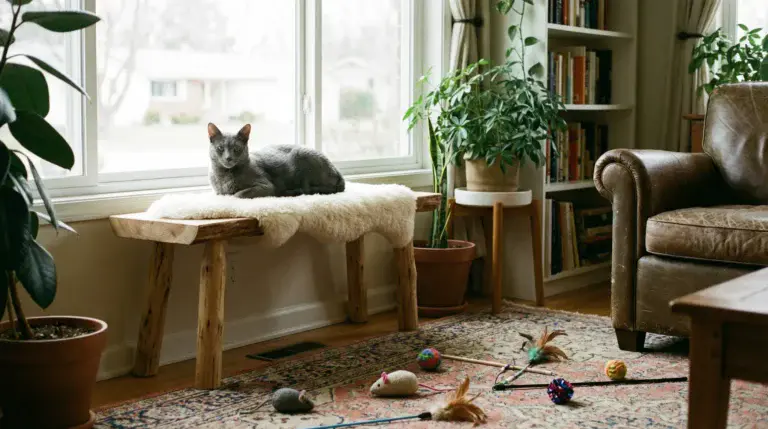
Sometimes, even the friendliest cats need a break. Respect when I choose to hang out alone, hide in a box, or perch somewhere up high. These spots help me recharge and process everything happening around me. Forcing attention when I want to be alone causes more stress than bonding.
Offer safe, cozy places for me to retreat and let me come back to you when I’m ready. Over time, I’ll become more confident and open up on my own terms. Giving me control over my space is one of the best ways to show you care.
7. Mimic My Communication—But Gently
Slow blinking is one way to “speak cat,” but there are other body language tricks you can try, too. Mirroring my postures, like sitting quietly or playing in a low, relaxed way, shows me you’re tuned in to how I’m feeling.
Imitating some of my gentle behaviors, rather than big or sudden movements, helps keep our interactions lower-stress. I’m more likely to trust you if I see you respecting my way of doing things. Sometimes just hanging out nearby can mean a lot. Small gestures, like moving slowly or quietly around me, create an atmosphere where I feel safe and heard.
8. Use Toys and Play for Communication
Interactive play is about way more than burning energy. Toys like feather wands let you read my mood and practice taking turns together. When I chase, pounce, or stalk, you’ll see how excited (or tired) I feel, and you can learn what kinds of activities make me happiest.
- Regular play sessions help tone down anxious habits and keep our friendship strong.
- Switch up toys to keep things interesting and avoid boredom.
This is also a great time for you to practice reading my cues, like when I suddenly stop playing or flop over to show my belly (but don’t always go for the tummy!). Try puzzle toys or DIY games to mix up our sessions and keep both your mind and mine active. Play brings us closer and gives you plenty of chances to track down what makes me purr the loudest.
9. Check Non-verbal Environmental Signals
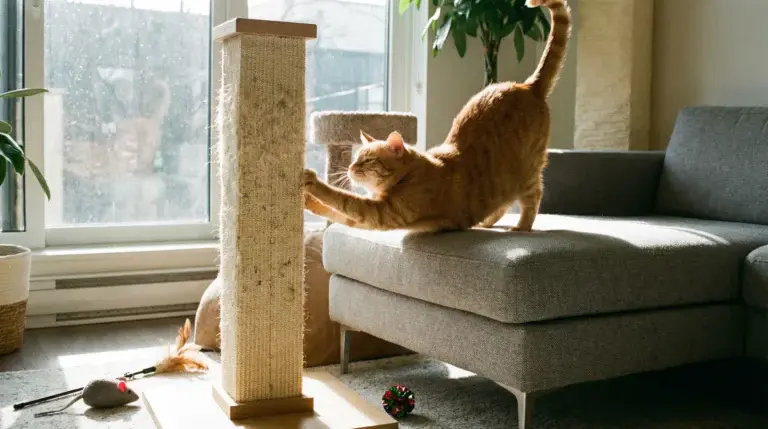
I use the environment to communicate, too. Scratching furniture, leaving fur where you sit, or changing my favorite nap spot all say something. Maybe my litter box isn’t clean enough, or there’s a scary scent near my food. If something about where I sleep, eat, or play changes, it’s usually worth checking out.
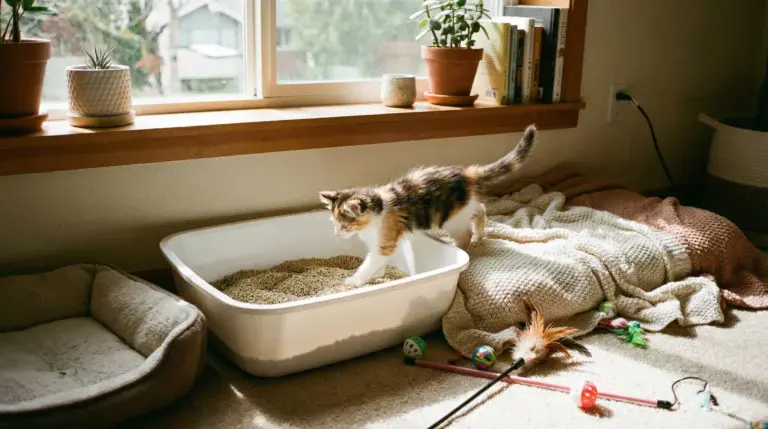
Responding to these signals, not just scolding, shows you care about what I’m feeling, even if I can’t put it into words. Watch for patterns. For instance, if I stop using the litter box or scratch a new area, it usually reflects a deeper need or feeling rather than mere stubbornness. Open communication with your human (and sometimes your vet) helps spot household stressors quickly.
10. Practice Patience and Empathy
Learning to communicate with a cat is a process for humans. It takes a mix of patience, empathy, and willingness to learn our language. Sometimes you’ll get it right; other times, you might miss a signal. What matters is trying your best and taking time to learn every day.
Celebrate when you figure out the meaning behind a new meow or uncover the reason for a behavior change. The stronger our understanding, the closer our friendship, and the better each of us will feel at home. Patience and compassion help build trust from both sides, making life more peaceful and connected.
Wrapping Up
Getting better at cat communication is about much more than avoiding troubles or stopping bad habits. It’s about building real trust and sharing more happy moments together. Practice these tips and you’ll probably find me purring in your lap (or maybe just hanging out in the same room) a whole lot more often. Remember, every little bit you learn about my world makes our bond even stronger. So, keep paying attention, get involved, and enjoy the quirks that make life with cats so special. A happy, well-communicated home is one where both cats and humans truly feel they belong.