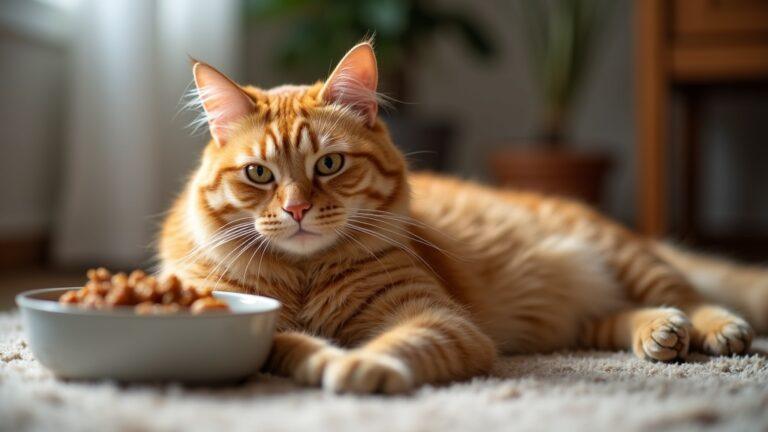
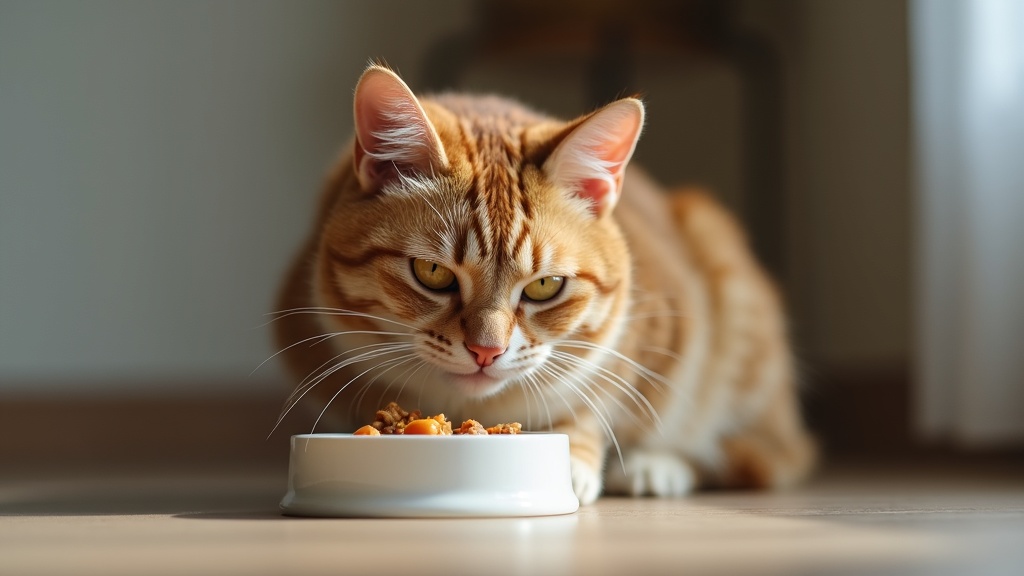
How to Feed Your Cat Wet Food (Step-by-Step Guide)
Feeding cats wet food might seem easy, but several important details truly impact your cat’s health and happiness. I’m Thompson, your go-to whiskered expert, and my paws-on experience could help make mealtimes smoother with fewer battles and a lot more purring. Wet food is both tasty and hydrating, but getting every step right counts. Even us cats notice the difference when mealtime is dialed in properly.
Why Wet Food Matters for Cats
Cats, like me, can be picky eaters. Wet food isn’t just a treat; it delivers perks that dry kibble doesn’t. Most wet cat foods are packed with protein and moisture, helping keep kidneys healthy and fur shiny. Plus, the extra water content is a big deal for cats who avoid their water bowls. Vets often suggest wet food for cats dealing with urinary issues or constipation, since the moisture makes everything run more smoothly internally.
The texture and taste are hard to beat. Many cats—especially older ones or those with sensitive teeth—find wet food easier to chew and more tempting overall. If you’re unsure which food fits your cat, check in with your vet for suggestions that match your furry friend’s age and health needs.
Preparing for Wet Food Mealtime
Before you even open a can, take a minute to set the stage. Choose a quiet, out-of-the-way spot for meals. Most cats like eating away from high-traffic zones or nosy dogs. Cleanliness also matters—a freshly washed bowl beats yesterday’s leftovers every time. Rinsing the bowl with hot, soapy water clears away residue and keeps mealtime germs at bay.
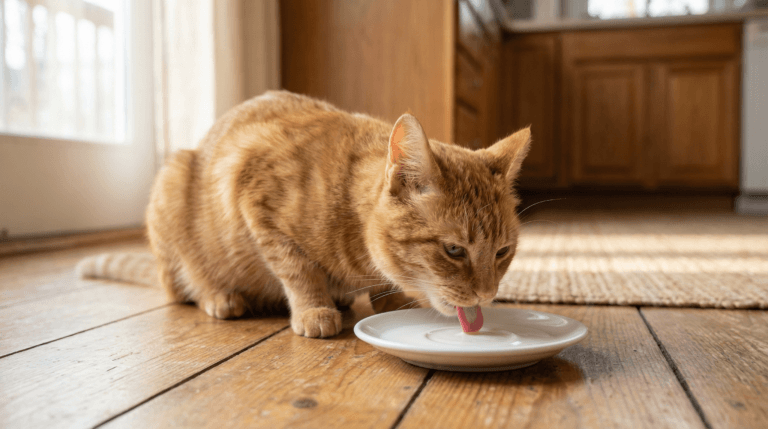
Bowl shape can make a difference. Wide, shallow dishes help prevent the dreaded whisker fatigue, which can turn even the best meal into an annoying experience. Stainless steel and ceramic bowls win over plastic, staying cleaner and not soaking in old food smells.
Step-by-Step Guide to Feeding Wet Food
Getting the basics right makes for fewer messes and happier bellies. Here’s a simple guide:
- Wash up: Clean the bowl thoroughly before every meal. Wash your hands, too, to keep germs away.
- Inspect the food: Always check the date and sniff the can after opening. Any bad or sour smell means it belongs in the trash, not my dish.
- Portion control: Following the feeding directions on the label keeps your cat from packing on too many pounds. Most cats prefer multiple small meals, so splitting up the daily serving into two or three is a wise move. See my article, “How Much Should Your Cat Eat Daily”, for more info.
- Use a spoon, not fingers: Spoon out the food and spread it out so it’s easy to eat. Fluffing it up can help, especially for picky cats.
- Bring out the flavor: Food straight from the refrigerator can be a turnoff. Warm it a few seconds in the microwave, but make sure it’s only slightly warm, not piping hot.
- No leftovers left behind: After 20 to 30 minutes, toss the remainder and wash the bowl. Wet food dries up quickly and gets crusty, which most cats hate.
These simple steps create a safer and more enjoyable dining experience for your finicky feline.
Tips If Your Cat Refuses Wet Food
Some cats aren’t quick to warm up to wet food. If your kitty is holding out, try these tips:
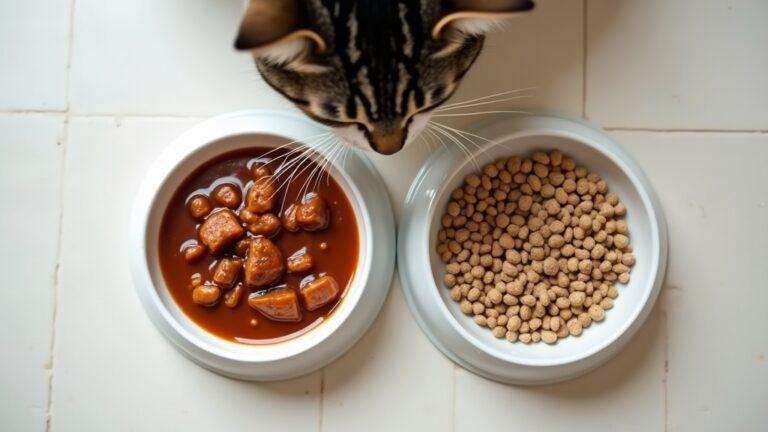
- Mix it up with dry: Start with a scoop of wet food blended into dry kibble. Gradually up the wet ratio over a week or two.
- Try new textures and flavors: Some cats like shredded, some want chunks, others go for smooth. Test small cans or trial pouches to find your cat’s top pick.
- Temperature tweak: Serving food slightly above room temperature can unlock more aroma and tempt even the stubborn ones.
- Appetizer toppers: Tossing on a few favorite treats or a spoonful of tuna juice (from tuna packed in water) can get interest back fast. Avoid anything in oil or brine.
Give each choice a few tries; sudden changes can upset both appetite and stomach. Patience pays off.
Things to Watch Out for When Feeding Wet Food
Eye-catching meals are fun, but there are a few things to stay sharp about:
- Food safety: Wet food doesn’t last long at room temperature. Pick up leftovers within 30 minutes and stash anything uneaten in the fridge.
- Waistline blowout: Wet food is easy to overeat. Measuring out meals and using a set schedule helps prevent extra weight and vet visits.
- Dental health: Wet food won’t do much for teeth, so ask your vet about brushing routines or dental chews.
- Flavor swirl: Switching flavor or brands too often may upset sensitive cat tummies. Change things up slowly if you want to mix in new foods.
Storing Leftovers Correctly
Keep uneaten portions in a covered can or sealed plastic container for two to three days. Bringing food to just below room temperature before serving makes it more appealing for most cats and is easier on digestion.
Water Still Matters
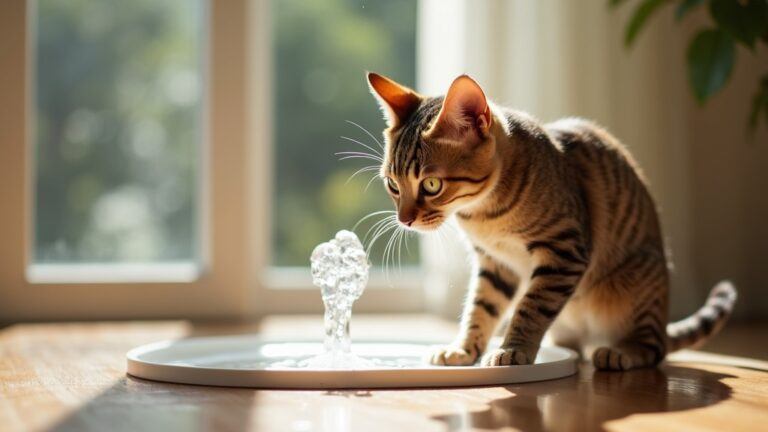
Even though wet food adds water to the diet, always provide fresh water nearby. Some cats drink right after eating, so try a heavy glass or ceramic bowl that keeps water cool. Cat fountains can turn drinking into an exciting part of their routine.
Wet Food Myths to Ignore
There is a lot of chatter about wet cat food, but here are some myths you don’t need to worry about: Wet food won’t spoil a cat, it’s just that cats know what they enjoy. Good dental hygiene can offset the lack of tooth scrubbing from dry food, so wet food isn’t bad for cat teeth. Also, wet food doesn’t mean stinky litter—stool quality depends on the whole diet, not just what’s in the can.
FAQ: Wet Food Mealtime Questions
Got questions? Many other cat humans do too. Here are the top ones:
Question: How often should you feed a cat wet food?
Answer: Most adult cats are happy with two main meals a day, but splitting this into three to four smaller servings keeps energy even. Kittens typically need more frequent feeding because they’re growing fast.
Question: Is it safe to leave wet food out all day?
Answer: Not really. Wet food loses moisture and freshness in about 30 to 60 minutes. It can also start to grow bacteria if forgotten, especially in warm spaces.
Question: Can you mix wet and dry food?
Answer: Yep! Mixing is common. Just measure out both so your cat doesn’t end up overeating, and check that all parts of the meal are fresh.
Question: Which wet food is best?
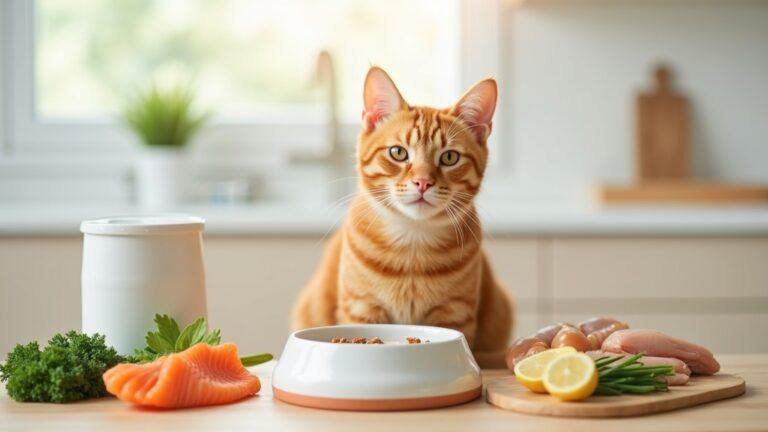
Answer: The best option depends on your cat’s needs. Look for food with real meat first on the ingredient list, avoid lots of fillers, and choose grainfree options if directed by your vet.
What You’ll Need for Smoother Meal Times
Setting up a mealtime routine for wet food makes things easier for you and your cat. Feed at the same times every day; cats are creatures of habit and will come looking for food like clockwork. Clean bowls thoroughly after each meal. A good food mat helps contain splashes and saves you cleanup time, while airtight covers keep half-used cans fresh in the fridge.
- Shallow bowls: Gentler on whiskers and easier to lick clean.
- Can covers: Prevent fridge flavors from seeping into leftovers.
- Food mats: Catch spills and crumbs, especially helpful with sloppy eaters.
Building good habits around feeding keeps your kitchen tidy and your cat coming back for more. Over time, your cat will be healthier, happier, and far more likely to greet you eagerly at every mealtime.
Bottom line, feeding cats wet food the right way pays off in purrs, cuddles, and better health, making it well worth the effort for both you and your feline sidekick.