Should I Give My Cat Milk? What Vets Want Cat Owners To Know
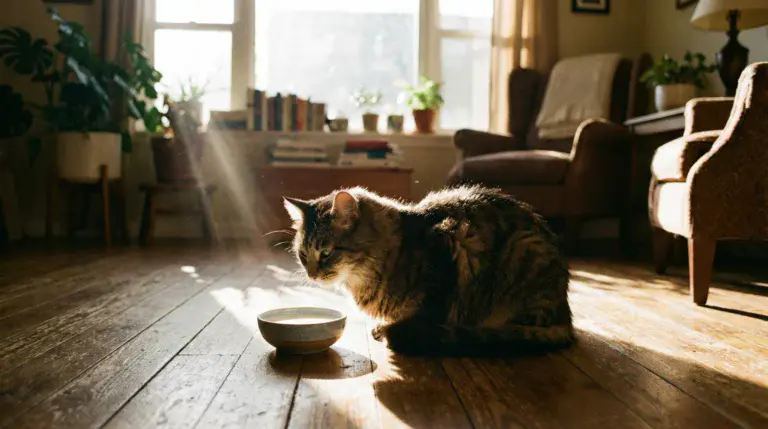
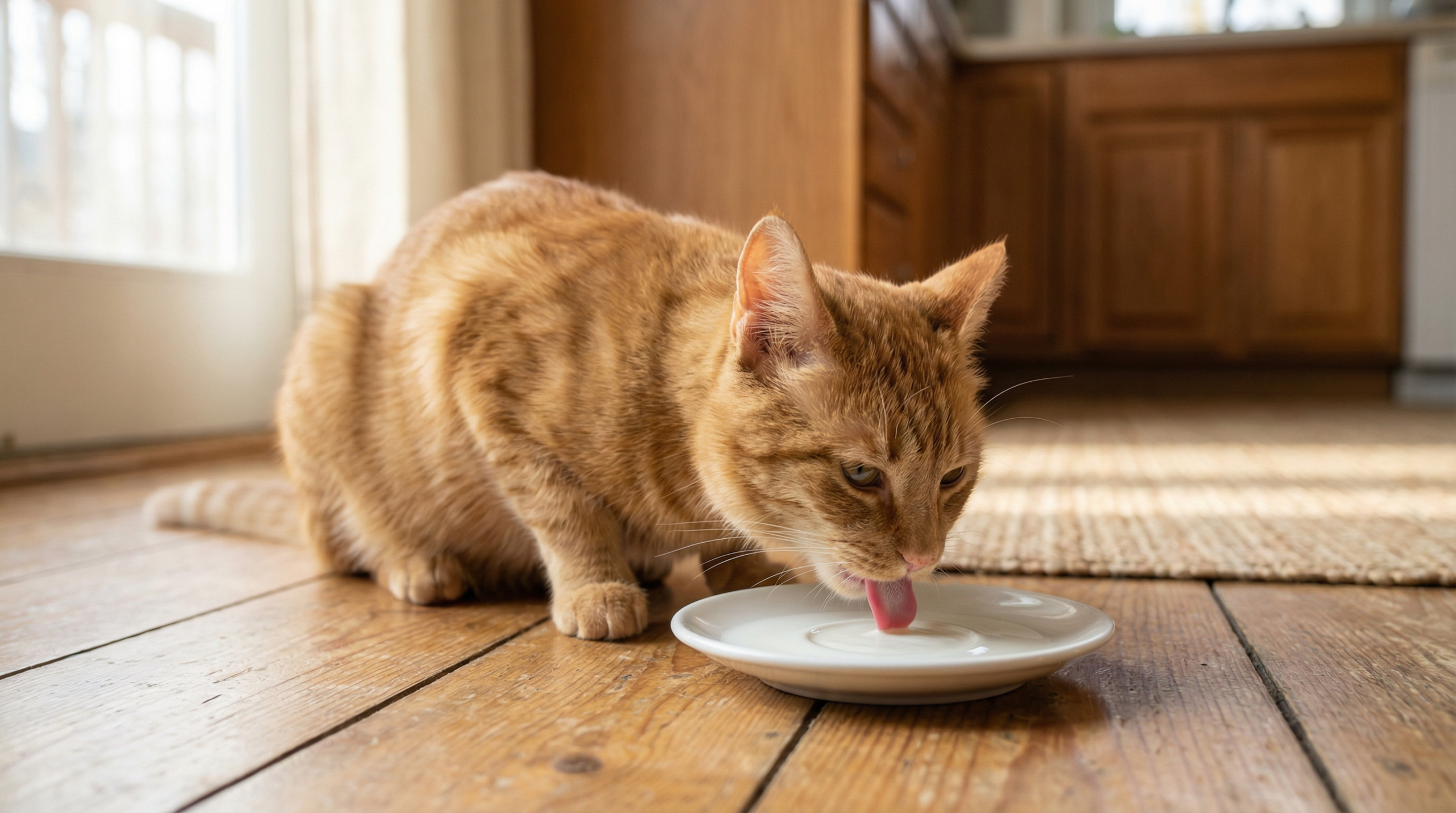
If you’re picturing a fluffy cat (like me, Thompson) happily lapping up a bowl of milk on a sunny farm, you’re not alone. That “cats love milk” image is everywhere — cartoons, storybooks, old movies, you name it. It’s so classic that a lot of people still put down a saucer of milk without a second thought. But real-life cats? Our stomachs don’t always agree with what those cartoons show.
Can Cats Drink Milk? Here’s the Straight-Up Answer
Can cats drink milk?
Most adult cats are lactose intolerant, meaning they cannot properly digest the lactose found in cow’s milk — the same reason dairy treats like ice cream often cause trouble too. While a small amount may not cause problems for every cat, milk is not necessary for their health and often leads to digestive upset like diarrhea or bloating. Fresh water and a balanced cat diet are much safer choices.
Most adult cats, just like me, can’t properly digest regular cow’s milk. We might love the taste, but our bodies aren’t really built for it after kittenhood. A tiny splash probably won’t cause problems for every single cat, but it’s not something we actually need for our health. If you skip the milk altogether, that’s totally fine. Our usual diet gives us everything we require.
Why Most Cats Get Upset Stomachs from Milk
Milk contains a sugar called lactose. When we’re kittens, our bodies make an enzyme, lactase, that helps us break down lactose to get energy from our mother’s milk. Right after we’re done nursing and move on to solid food, our bodies usually stop making much of that enzyme. That means most grownup cats can’t properly digest the lactose in cows milk. It sits in the digestive tract and can ferment, leading to gas and discomfort. That can lead to some pretty obvious problems, such as:
- Loose stools or diarrhea
- Gassy tummies and bloating
- Stomach aches or visible discomfort
- Cramping
⚠️ Signs Your Cat May Be Lactose Intolerant
If your cat gets runny poop, gurgly tummy sounds, or starts acting restless after drinking milk, that’s a pretty clear sign it’s not agreeing with them. Most cats will bounce back, but ongoing tummy troubles are never good. Especially for us felines, who get cranky if our bathroom schedule gets weird.
Does Milk Give Cats Any Real Nutrition?
Milk does have some protein and calcium, which sounds healthy in theory. But if you’re already feeding us a balanced, complete cat food, we’re covered. The protein in milk doesn’t bring anything extra that a high-quality cat food lacks. Same for calcium. Our meals are already mixed to keep our bones and teeth strong, so milk just adds extra that we don’t need.
The other thing about milk is the calories from natural sugars and fat. Most indoor cats, myself included, already live a pretty chill lifestyle. Those extra calories can pile up quickly and lead to weight gain. All in all, milk isn’t adding useful nutrition and can tip the balance in the wrong direction if you give it often.
What Do Vets Tell Cat Owners?
Pretty much every vet I’ve ever met is on the same page about milk: skip it. They say there’s no real upside, as most cats can’t digest lactose, and our regular cat food gives us everything we need. For cats who seem obsessed with milk and don’t get sick from a teaspoon or two, small tastes now and then generally aren’t harmful. The main warning is to watch for any sign of tummy upset and to never offer sweetened, flavored, or plant-based milks (like chocolate, vanilla, soy, or almond). These can be straight up dangerous for cats; some contain chemicals or artificial sweeteners (like xylitol) that are toxic for us.
If you’re not sure how your cat reacts after a lick of milk, or if you’ve seen funny behavior or loose stools, always ask your vet. That advice is way more reliable than any old wives’ tale, even if grandma’s cats seemed fine in the barn.
What’s the Deal with “Cat-specific” Milk?
There’s a type of milk on the market designed just for cats, labeled as “lactose-free” or “cat milk.” This stuff has the problematic lactose removed, so we’re not likely to get the same stomach problems. Even so, it’s basically a treat, not a replacement for real food or water. Catspecific milk should only be given in small amounts. A few tablespoons as an occasional extra is enough for most cats to feel spoiled without overloading us on calories or sugar.
Catspecific milk can be a nice little treat for extra special occasions or to help with social bonding, but it shouldn’t become a daily staple. Remember, cats aren’t out grazing in a dairy barn. We’re more about water and wet food for hydration anyway.
Safer Drinks and Treats for Your Cat
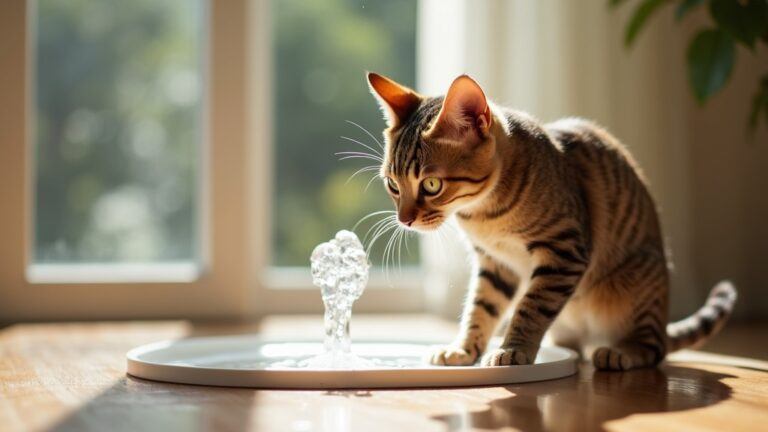
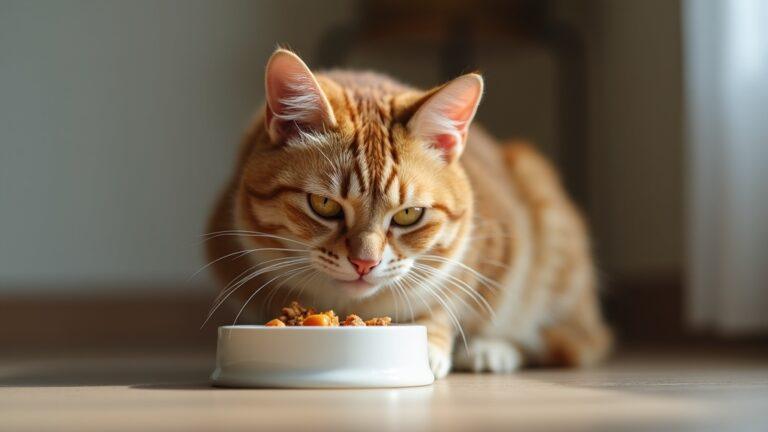
Cats don’t really get thirsty the same way humans do, but we absolutely need to stay hydrated. The best way for us to get fluids is fresh, clean water. Some cats (I’ll admit, I’m particular) prefer running water from a fountain or a bowl that’s washed every day, which keeps us more interested in drinking.
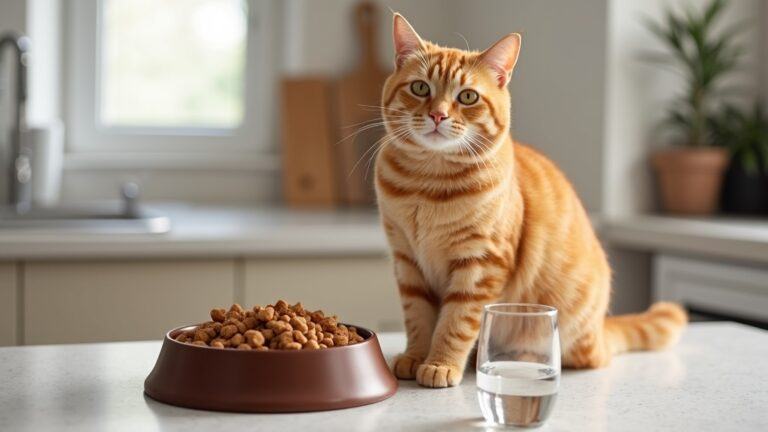
- Water: The only drink your cat ever really needs.
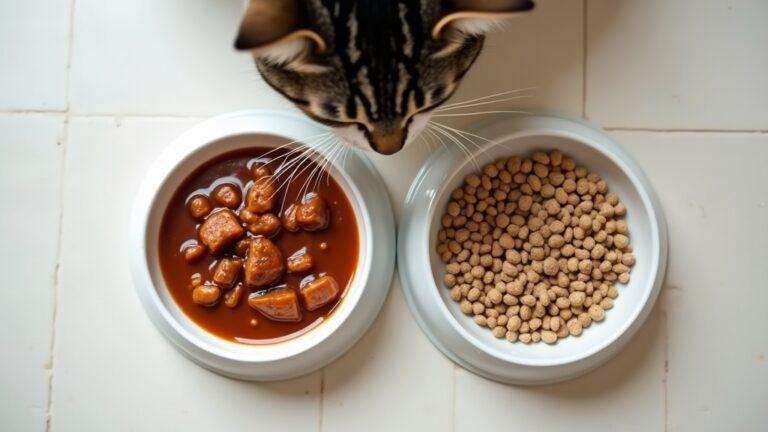
- Wet food: Adds lots of moisture if your cat isn’t a great water drinker.
- Catsafe treats: Commercially made cat snacks with extra nutrition but no dairy or sugar keep things interesting for us.
There are even cat water additives or broths you can add to our bowl for flavor, but make sure these are made for cats and don’t contain onion, garlic, or extra salt.
What’s the Word from Real Cat Owners?
I’ve heard from plenty of cats (and their humans) that some felines seem to handle milk just fine, slurping up a little every now and then without a single issue. Others? One sip and they’re off to the litter box in a hurry. How your cat reacts really depends on their individual tolerance. That’s why I always suggest trying the tiniest amount if you’re even going to try at all, and then waiting to see if your cat’s digestive system seems chill afterward.
Frequently Asked Questions About Cats and Milk
Can kittens drink milk?
Yes — but only their mother’s milk or a veterinarian-approved kitten milk replacer. Regular cow’s milk can still cause digestive upset.
What happens if my cat accidentally drinks milk?
Most cats will experience mild diarrhea or gas. Monitor for symptoms and contact your vet if discomfort continues.
Is lactose-free milk safe for cats?
Lactose-free cow’s milk may reduce digestive upset, but it still adds unnecessary calories and isn’t needed in a healthy diet.
Should You Ever Give Your Cat Milk?
For most cats, skipping regular milk entirely is the safe, smart pick. We don’t need it, and it doesn’t give us anything that a good cat food and plenty of water won’t provide. If you’re thinking about sharing a saucer for nostalgia’s sake, stick to special lactosefree “cat milk,” keep the portions small, and don’t make it an everyday thing. Not sure what works for your cat? There’s nothing wrong with getting your vet’s advice before offering anything new or unfamiliar.
I’ll be honest. I love when my human spoils me, but a cozy nap in a sunbeam or a crunchy treat goes just as far as a milk mustache. Water and love go a long way toward keeping your favorite feline healthy and happy. If you’re looking to give your cat a treat, maybe check out some fun toys, a dab of catnip, or quality time playing together. Sometimes those little moments, shared without extra calories or potential for an upset stomach, make both pet and human happier in the long run. Cats appreciate the little things—don’t underestimate the power of a good scratch behind the ears!