Preventing Common Cat Diseases: Simple Steps for Better Health
If you’re living with cats like me (Thompson, your friendly striped advisor), you probably want your fur family to be as healthy and comfortable as possible. Preventing diseases doesn’t have to be complicated, but it does take a bit of awareness and some daily habits. I’ll walk you through the basics of keeping illness at bay, the main things that often trip up cat parents, and a few tips even the most seasoned cat owner might find useful.
Why Preventing Cat Diseases Matters for Every Household
Healthy cats are happy cats, and nobody likes an unexpected trip to the vet. Many popular cat diseases can develop quietly before any obvious signs show up. Once symptoms appear, treatment can be stressful for both me and my humans. Preventing these problems from the start keeps everyone’s lives a whole lot smoother.
Disease prevention also helps if you have multiple cats (or pets in general), since a single case of something contagious can affect the whole group. Plus, it’s just easier, and often cheaper, to spend time preventing problems rather than fixing them later. Keeping a healthy lifestyle also means fewer medical expenses down the road, and more time to enjoy the good stuff: snuggles, playtime, and purring afternoons by the window.
Understanding the Most Common Cat Diseases
Knowing what you’re up against helps you spot trouble early and focus your prevention efforts. These are a few of the most popular health problems I see in my own circle of cat friends:
- Upper Respiratory Infections: These are basically cat colds, often caused by viruses like feline herpesvirus and calicivirus. Symptoms might include sneezing, a runny nose, watery eyes, and sometimes ulcers inside the mouth. If you notice odd breathing sounds or excessive sneezing, it’s time to pay close attention.
- Fleas, Ticks, and Mites: Parasites are no joke. They can make me itch non-stop and even spread other diseases. Some can also cause tapeworms or driven scratching that leads to skin infections.
- Feline Leukemia Virus (FeLV): This virus can cause a range of symptoms, from tiredness and poor appetite to more serious issues over time. Cats with FeLV are more likely to catch other illnesses, too.
- Feline Immunodeficiency Virus (FIV): FIV chips away at a cat’s immune system, making it easier for all sorts of infections to take hold. It’s especially important in households with multiple cats.
- Diabetes and Kidney Disease: Especially in older cats, these are diseases that often sneak up slowly but can be managed or even delayed with a good home routine. Watch out for increased thirst or urination, and rapid changes in weight, as these can be warning signs.
There are more, of course, including things like hyperthyroidism and heart disease, but these are the ones that pop up again and again, especially in homes where new cats or kittens are introduced or where vaccination routines aren’t followed closely. Regular awareness can help you track down issues before they become big problems. For a further breakdown on common cat diseases see my article, “How To Identify Common Cat Diseases”.
Easy Steps to Prevent the Spread of Common Cat Diseases
Cats like me enjoy a little routine, and so do our immune systems. A few simple habits go a really long way:
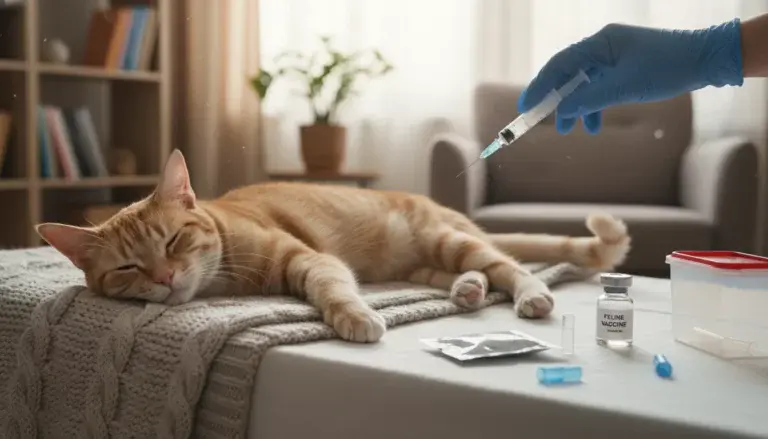
- Routine Vaccination: Make sure you and your veterinarian have a vaccination schedule lined up. Vaccines protect against those major viruses that love to jump from cat to cat, even if they’re just passing by an open window. Your vet will recommend which vaccines are most important for your cat’s age and lifestyle.
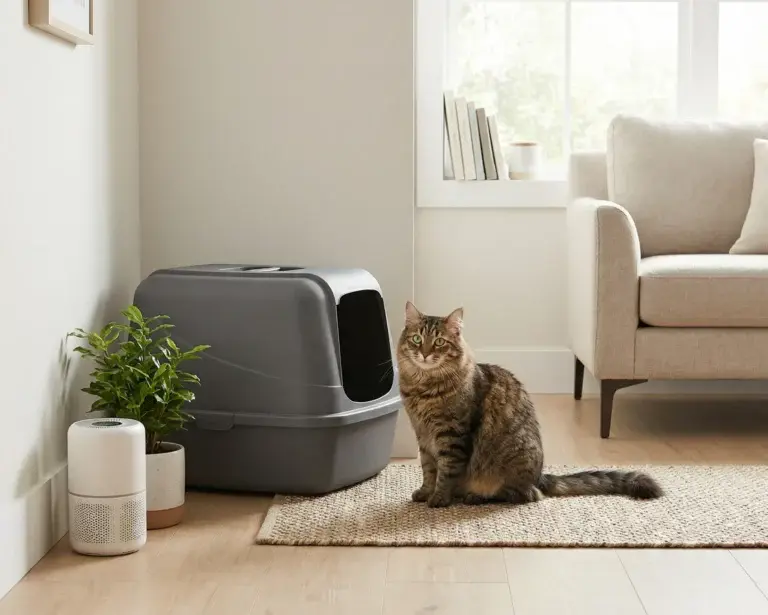
- Keep Living Spaces Clean: Regular cleaning of bedding, food bowls, and litter boxes lowers the risk of infection. A tidy litter box also lets you spot changes in pee or poop early, which can be a sign that something isn’t right. Wiping up spills and checking toys for grime make your cat’s environment even safer.
- Flea and Tick Prevention: Using vet-recommended preventatives year-round is super important, even if your cat stays inside. Some parasites can be brought in on shoes or other pets. Consider scheduling reminders for treatments so you never miss a dose.
- Reduce Stress: Changes at home, like new furniture, a move, or a new animal, can stress cats out. High stress lowers immune defenses and makes us more vulnerable to illness. Try slow introductions, familiar hiding spots, and consistent routines. Cats appreciate a spot to retreat when things get busy.
- Regular Vet Checkups: Annual (or even twice-yearly for older cats) exams help catch problems early. Your vet can notice little changes that might go entirely undetected at home. Bloodwork and dental checks are especially important as cats get older.
Combining these steps provides pretty solid protection against most of the common threats cats face all year long. Extra care for kittens, senior cats, and cats with weakened immune systems is even more crucial.
Things to Watch Out for When Trying to Prevent Cat Diseases
Even with the best intentions, some easy-to-avoid mistakes can increase the risk of problems for cats. Here are a few things I think are worth some extra attention:
- Mixing Unvaccinated and Vaccinated Cats: Introducing a new cat without checking their health and vaccination status can introduce viruses that even healthy adult cats struggle with. Always make sure newcomers have been given the thumbs up by a vet before joining the group.
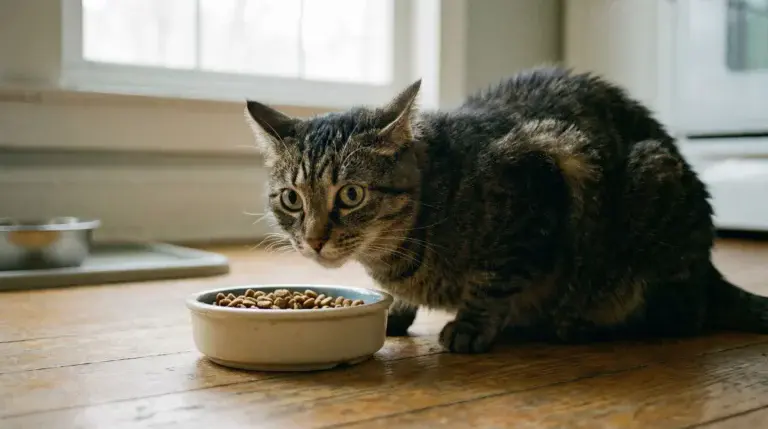
- Dirty Water Bowls: Stagnant or rarely-washed water bowls can carry bacteria that upset tummies and cause illness. Fresh, clean water every day is the way to go. Try to wash bowls with mild soap and rinse thoroughly to remove all residues.
- Ignoring Dental Health: Dental disease is a sneaky problem. Sore gums or bad breath are often the first sign, but bacteria from the mouth can spread and affect the rest of the body. Brushing your cat’s teeth (if possible) or providing dental treats/toys can give a big boost to overall health.
- Missing Subtle Signs: Cats like me try to hide when we’re not feeling good. Changes in appetite, activity, or litter box habits often come before more obvious symptoms. If I’m suddenly not interested in dinner or stop using my favorite window ledge, it’s smart to keep an eye out. Early attention can prevent bigger problems down the line.
Vaccination Schedules
Staying on top of your cat’s vaccines is a simple way to block a bunch of serious diseases. Kittens start their vaccine series at a few weeks old, and booster shots usually continue every one to three years. Your vet can recommend the right schedule and any extras needed based on your home (for example, outdoor access or travel). Remember to keep a copy of your vaccination records handy, especially if you ever travel or board your cat.
Parasite Control
I get it—sometimes it’s easy to skip a flea treatment, especially in colder months. But flea eggs can overwinter in carpets or cracks in the floor. Consistent monthly treatments recommended by your vet are the best way to keep things itch free year-round. Don’t forget regular checkups for ear mites, especially in kittens and outdoor cats.
Lifestyle Tips for Immune Support
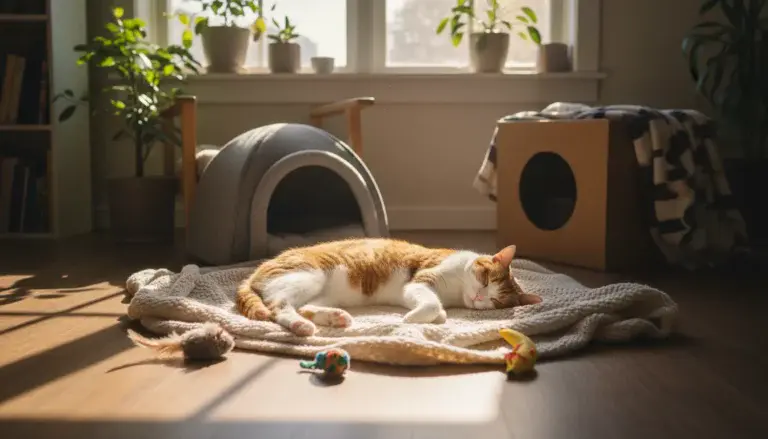
The most content, healthy cats I know have predictable routines. Nutritious food, fresh water, and lots of play keep immune systems fired up. I personally love interactive toys and a bit of sunshine, which always seem to perk up my mood and, by extension, my health. Offering a variety of toys and safe climbing spots keeps daily life interesting and supports mental wellbeing. Daily grooming, such as brushing, also helps keep fur and skin in top condition—plus, it’s a great bonding time.
Tips and Tricks for Boosting Everyday Cat Health
There are a few more things that aren’t just for disease prevention; they help make all around happier cats:
Encourage Active Play: Physical activity helps with weight management and stress reduction. Try tossing lightweight balls, using feather wands, or letting your cat chase laser lights for bursts of exercise.
Mix Up Scratching Surfaces: Different types of scratchers help keep claws clean and offer mental stimulation, too. Cardboard, sisal, and carpeted scratch posts provide options that most cats love to use.
Watch for Changes in Grooming: If I start grooming less, overgrooming, or if my fur looks greasy or patchy, that’s sometimes an early tipoff that something’s brewing inside. Quick action when you spot changes can make recovery easier and faster.
Learn What Normal Looks Like: Pay attention when your cat is healthy so you can tell when something is “off.” Jotting down notes or snapping occasional photos of healthy gums, eyes, or poop can come in handy during vet visits. Knowing your cat’s routines—when they eat, where they nap, how much water they drink—helps make it easier to spot issues early.
Offer Mental Stimulation: Puzzle feeders, window perches, and bird-watching opportunities are fun for cats and support brain health. Even fifteen minutes of play each day can keep boredom and stress down.
Common Scenarios Where Disease Prevention Pays Off
- Adopting New Kittens: No matter how cute they are, kittens should have their own space for at least a week or two (with litter box, bedding, and food) before meeting older cats. It’s also smart to get them checked out by the vet first to make sure they’re not bringing any unwelcome surprises into the house.
- Outdoor Cats: If your cat spends part of the day outside, they’re more likely to encounter disease sources like other animals, ticks, or dirty water. Regular flea, tick, and worming treatments are extra important, and a microchip can help return an adventurous cat home if needed. Keeping vaccinations up to date gives outdoor cats the best chance at avoiding trouble.
- Multi-cat Homes: With more cats, consistency becomes even more important. It’s pretty handy to set up multiple feeding and litter stations and make sure everyone’s vet care is up to date. Give each cat space to retreat and rest alone, which helps ease stress and avoid fights that can spread disease.
- Travel or Boarding: Boarding facilities and long car trips can be stressful for cats. Bringing familiar blankets, sticking to feeding routines, and making sure all vaccines are current makes the experience safer and easier. Use a sturdy carrier and consider pheromone sprays to keep travel calm and comfortable.
Frequently Asked Questions
Lots of cat parents have some of the same questions. Here are the answers to a few I hear the most:
Question: Is it possible for an indoor-only cat to get sick?
Answer: Absolutely. Indoor cats can pick up parasites, viruses, or bacteria from shoes, groceries, or other pets. Keeping up with routine vet visits and prevention is really important. You never know what might tag along on your shoes when you walk in the house.
Question: How do I know if my cat is contagious to other animals?
Answer: Some illnesses (like upper respiratory viruses) can spread between cats, while others can’t. If your cat is showing signs of illness, it’s best to keep them away from other pets and check in with your vet for advice. Even a simple quarantined room can make a big difference in keeping the rest of the family safe.
Question: Are regular wellness checks really necessary if my cat seems healthy?
Answer: Yes. Cats are good at hiding illness, and routine exams help spot issues early, often before any real symptoms pop up. Regular checkups can also keep your preventive care plan up to date, and your vet may notice things you’ve missed at home.
Final Thoughts from Thompson
Disease prevention for cats is pretty straightforward when you know what to look for and keep up with the basics. Regular vet visits, top notch food, daily play, and parasite control can all make a big difference. Even a little extra effort each day adds up to a healthier, happier life for your cat and more peaceful times at home. Remember, a happy, healthy cat is always worth it. Keep up the great work and enjoy all the fun moments you share with your feline friend!