How to Increase Cat Water Intake (Easy Vet-Approved Tips)
If there’s one thing I know as a cat, it’s that water isn’t always the most exciting part of my day. But staying hydrated isn’t just a suggestion; my health actually depends on it. Many cats, myself included, don’t naturally feel thirsty enough to drink a lot, especially if we eat mostly dry food. If you’ve noticed your feline friend turning up their nose at their water bowl, you’re definitely not alone. I’m here to offer some realistic, cat-approved tips to help boost your cat’s water intake in ways that work for us whiskery types.
Why Cats Need More Water Than You Think
Cats are pretty mysterious creatures, and our roots as desert animals mean we don’t always feel thirsty; our bodies are wired that way. This can create some problems, though. Without enough fluids, cats like me are prone to urinary crystals, kidney issues, and all sorts of things that make both of us uneasy. Dehydration can be a sneaky thing to spot, so getting into the habit of encouraging extra sips is really important for keeping us healthy. Our ancestors got most of their moisture from fresh prey, which meant they hardly drank standing water. If you’ve mostly got dry kibble on the menu, that’s even more reason to get clever with how you offer water. Nowadays, so many cats deal with urinary struggles that many vets suggest simple strategies (like variety and fun in the water routine) to help us drink more. I can say from experience that a few small changes make a big difference.
Have you ever wondered why cats can be so picky about water? Our finely tuned senses pick up even the slightest odors or changes in flavor. It’s not that we want to be troublesome, but our sensitive noses and taste buds have adapted over thousands of years. This is why even the tiniest detail, like where the bowl is placed or how fresh the water smells, can make or break our willingness to sip.
Smart and Simple Ways to Make Water Appealing
Most cats (yes, even me!) don’t find boring old bowls all that thrilling. But a little creativity goes a long way. Here are some practical tips my humans have tried that actually got me, Thompson, slurping more.
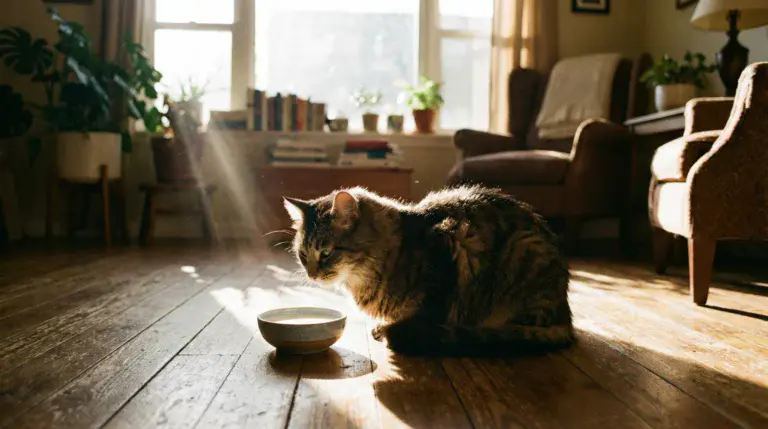
- Switch Up Water Bowls: Sometimes it’s not the water; it’s the bowl! Wide, shallow dishes help keep my whiskers comfortable. Ceramic, glass, or stainless steel work better because plastic can hold weird smells.
- Change Water Often: Fresh water tastes better. My human started refilling my bowl twice a day, and I visit it a lot more.
- Try Different Water Locations: I love exploring, and I’m way more likely to find a drink if there’s a bowl upstairs, downstairs, and near my favorite nap spot. Spreading out water stations is surprisingly effective.
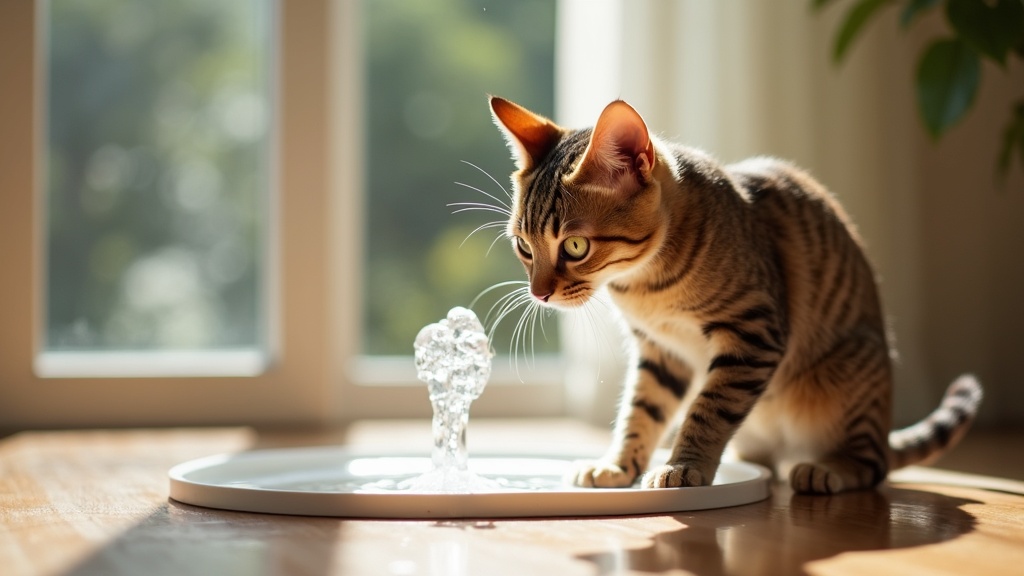
- Use Water Fountains: Running water is irresistible. Many cats, including me, prefer fountains because they keep water cooler and cleaner. Plus, the bubbling noise gets my attention every time I walk by.
Some cats also like water bowls made of unique materials. Stoneware and even bamboo bowls could be worth a try if your cat rejects the usual options. Always keep a backup bowl handy so your feline can pick for themselves. The more choices, the better!
Packed With Moisture Food Works Wonders
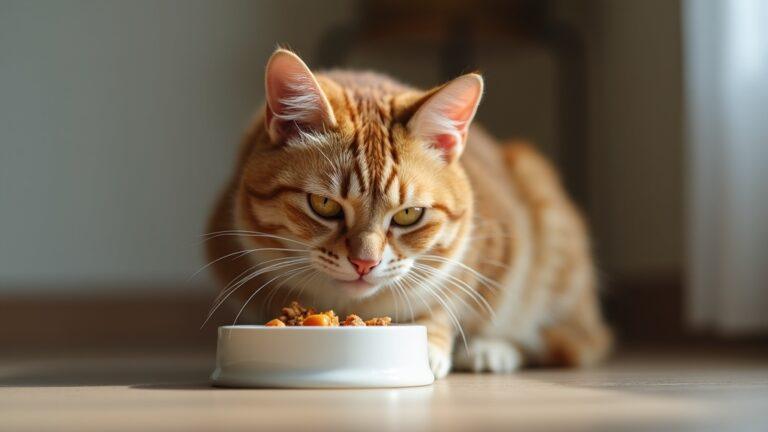
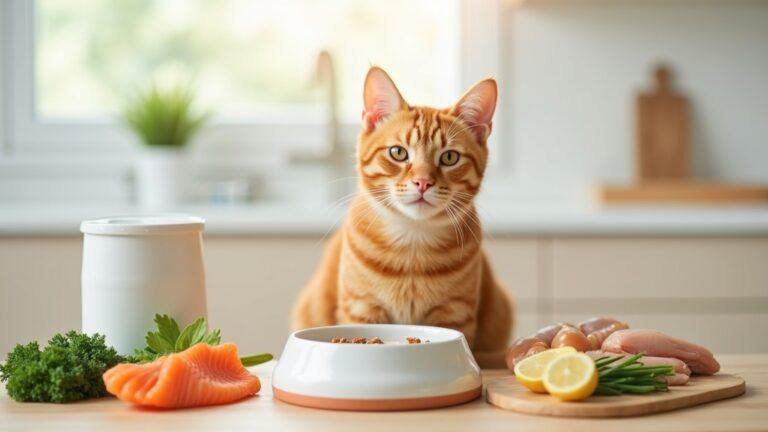
There’s a pretty easy trick to bump up a cat’s water intake: just add it to our food! Canned cat food has way more moisture than dry kibble, so even switching part of your cat’s meals can make a difference. Here’s how I like to change things up for maximum hydration:
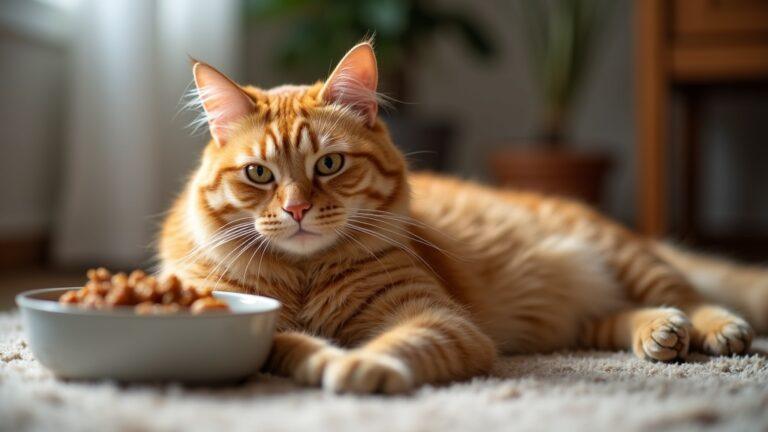
- Mix Wet and Dry Food: Doing half and half is a good way to keep the crunch but boost total water intake.
- Add Water or Broth: Pouring a little water or lowsodium chicken broth (no onions!) into wet food creates a “gravy” effect that gets me excited to eat. Some cats love slurping the extra juice.
- Food Toppers: There are brothy cat meal toppers at the pet store that make food more tempting and add water all in one go.
I always perk up for a meal that’s juicy and full of aroma. Combining tasty food with bonus water is a winwin, especially for cats who are fussy about drinking from a bowl. If your cat turns up their nose at wet food, try soaking dry food in warm water for a few minutes to soften it and boost the moisture. Many cats will find the enhanced aroma irresistible, and it’ll add more fluid to their day without them even noticing.
How I Got Excited About Drinking: Tried and Tested Cat Tricks
Getting me to drink more didn’t happen overnight. My human tried different things, and I slowly started building new habits. Here’s what worked best for me:
- Ice Cubes in the Bowl: I batted them around and then licked the cold water. It was something new, and it kept the water cooler in summer.
- Flavor the Water (Safely): Sometimes, a splash of tuna juice (from fish canned in water) made my bowl irresistible. Using just a bit of something smelly does the trick.
- Positive Reinforcement: My human makes a big fuss when I drink water, with gentle praise and sometimes even a treat.
Small changes like these work best when you pay attention to what a cat responds to. Everyone’s different, so trying out a few ideas helps find the right combo. If your cat shows little interest, try moving the bowl to a new spot near a favorite window or bed, or offer water in a mug or teacup just for fun. Sometimes, it’s the little things that get our curiosity going!
Things to Watch for: When Not Drinking Is a Red Flag
I have my quirks, but completely avoiding water can signal a serious medical problem. If you notice these things, it’s worth checking with your vet:
- My litter box is less full; less pee isn’t good.
- My gums look sticky or pale.
- I seem super lethargic or refuse to eat.
- My skin doesn’t snap back when gently pulled (a sign of dehydration).
Catching signs early gives me a better shot at bouncing back. Sometimes, cats just need fluids for a bit, or there’s a larger issue like kidney concerns. A quick checkin makes all the difference. If in doubt, take a quick video of your cat’s habits or drinking behavior to show the vet. Even subtle changes in thirst or urination can help your vet figure out what’s going on.
Overcoming Common Barriers (From a Cat’s Point of View)
Plenty of us cats have our little hangups when it comes to water. I’ve run into most of these roadblocks myself. Here’s a quick breakdown and how my household worked around them:
Plastics Are Yucky
I really don’t like the smell that sticks to plastic bowls. Swapping out plastic for glass or stainless steel helped me visit my bowl more. Plus, they’re easier for my humans to clean and keep bacteria away.
Location Matters
Cats like quiet, cozy places, not next to the noisy washing machine or right by the litter box. Moving my water bowls to calm corners away from food and smells was super important. I’ll drink more where I don’t have to keep checking behind me.
Shared Bowls Aren’t My Favorite
If there’s more than one cat or a dog in the house, separate bowls mean less competition. I like having my own space, and it keeps the water clean. I’m much more likely to drink when I know my fursibling hasn’t made a mess of it first.
Also, if you have a multi-cat household, try to increase the number of bowls so that every cat has easy access without bumping into each other. It makes for a less stressful sipping experience all around!
A Few Advanced Tips for Special Cats
Some cats (like me, honestly) are extra picky. For the trickiest drinkers, here are a couple of nextlevel ideas:
- Filtered Water: Using a petsafe filter improves the taste and keeps things as fresh as possible.
- Temperature Matters: Some of us go for roomtemp water, others like it chilled; experiment to see what makes your cat return for more.
- Schedule Play Sessions Nearby: After play, I get thirsty. Keeping a fresh bowl close to my favorite toys works in my house.
- Running Water in the Sink: Some cats just love to drink from a trickling tap. Supervised, of course! If you’re up for it, let your cat check out the bathroom or kitchen faucet once in a while and see if it sparks more interest.
These small details show your cat you care, and trust me, we notice when you put in the effort! Watch for preferences. Some cats like shallow dishes, others deeper bowls, and a few might even want to drink straight from glasses or cups—that’s totally normal in the feline world.
Frequently Asked Questions: Answered By Thompson
Here are some questions I get (well, my vet gets) about getting cats to drink more water:
Question: How much water does a cat really need each day?
Answer: Most cats need about 3.5-4.5 ounces (roughly half a cup) per five pounds of body weight, daily. If you’re feeding mostly wet food, your cat will get a lot of that from their meals. Keep in mind, active or older cats may need even more. Ask your vet if you’re unsure!
Question: Are cat water fountains really worth it?
Answer: Absolutely. Many cats love moving water, and fountains keep things tasting fresher. I started drinking more once my humans made the switch. Plus, fountains often have built-in filters that keep water safer and cleaner—a win for both cats and their people.
Question: Is it okay to flavor my cat’s water?
Answer: Sure, but only use safe addins like tuna juice (from tuna packed in water), or a splash of lowsodium broth; no garlic, onions, or added seasonings!
Question: What’s the best way to monitor my cat’s water intake?
Answer: Keep an eye on the level in the water bowl, check the litter box for output, and watch for any changes in energy or appetite. If you’re worried, ask your vet for advice or a hydration checkup. Some owners even measure daily water with a measuring cup to get a real sense of a cat’s intake over time.
Meeting My Hydration Needs: It’s Worth the Effort!
Helping cats drink enough water isn’t just about putting out a bowl. With fresh ideas, tasty foods, and a little patience, your feline friend can build healthy habits for life. I’m living proof that even a picky cat can change. Swapping bowl types, adding water to food, and using fun fountains genuinely got me interested in sipping more, so the right approach can help any cat stay happy and hydrated. Over time, these new routines add up to a healthier, more energetic companion. If you’re willing to try new tricks and listen to your cat’s preferences, you’re already doing a great job. Stay curious and keep your water offerings as interesting as the cat they’re meant for—and your furball just might thank you with an extra lap or purr!