How To Trim Cat Nails Safely: A Step-by-Step Guide For Cat Parents
Trimming my own claws is part of being a cat, but for humans living with us, learning how to trim cat nails without drama is a real skill. I’ve seen plenty of cat parents get stressed just at the thought, but I promise, it can become a relaxed routine when you know what you’re doing. Keeping nails in check helps prevent broken claws, nails that grow too long and snag on furniture, and that not-so-cute surprise scratch when I’m kneading you. Here’s my all-in-one guide to safe cat nail trimming—from understanding your cat’s paws to building a stress-free trimming habit.
Why Cat Nail Trimming Matters More Than You Think
Cat nails are more than just adorable little hooks. If my nails get way too long, I can accidentally scratch someone, get stuck in carpet, or damage your couch even more than usual. Overgrown claws can also curl under and grow into paw pads—ouch! Regular trims are one great way to avoid pain, vet visits, and shredded sofas.
If your cat scratches a lot, check out my full guide on How to Stop My Cat From Scratching Furniture. Nail trims help, but scratching is a built-in behavior that needs healthy outlets too.
Getting to Know Cat Claws and Paw Anatomy
Understanding the basics of my paws makes the whole process smoother. Each of my front paws has five toes (with retractable claws), and my back paws have four. My claws keep growing just like your fingernails. Each claw has a clear or opaque area (the shell), and a pink center called the quick. The quick is where blood vessels and nerves live. If you clip it, I’ll feel pain and bleed. Staying clear of the quick makes the trim smooth and drama-free.
The more you handle my paws and check out my claws before trimming day, the more chill I’ll be. Some cats might squirm at first, but with patience and rewards, we learn to trust that nothing scary is about to happen.
Your Cat Nail Trimming Tool Kit
Here’s what I suggest you keep handy before you even try trimming my nails:
- Cat specific nail clippers: Scissor style, guillotine, or human nail trimmers all work, but keep them sharp for a clean cut.
- Treats or favorite snacks: Give me my favorite bites after each paw (or even each nail) for positive vibes.
- Towel or blanket: Helps steady me if I get squirmy. Wrapping me burrito style with one paw out is a pretty handy trick for beginners.
- Styptic powder or pencil: Stops bleeding fast if you do nick the quick. Accidents can happen, and it’s best to be prepared.
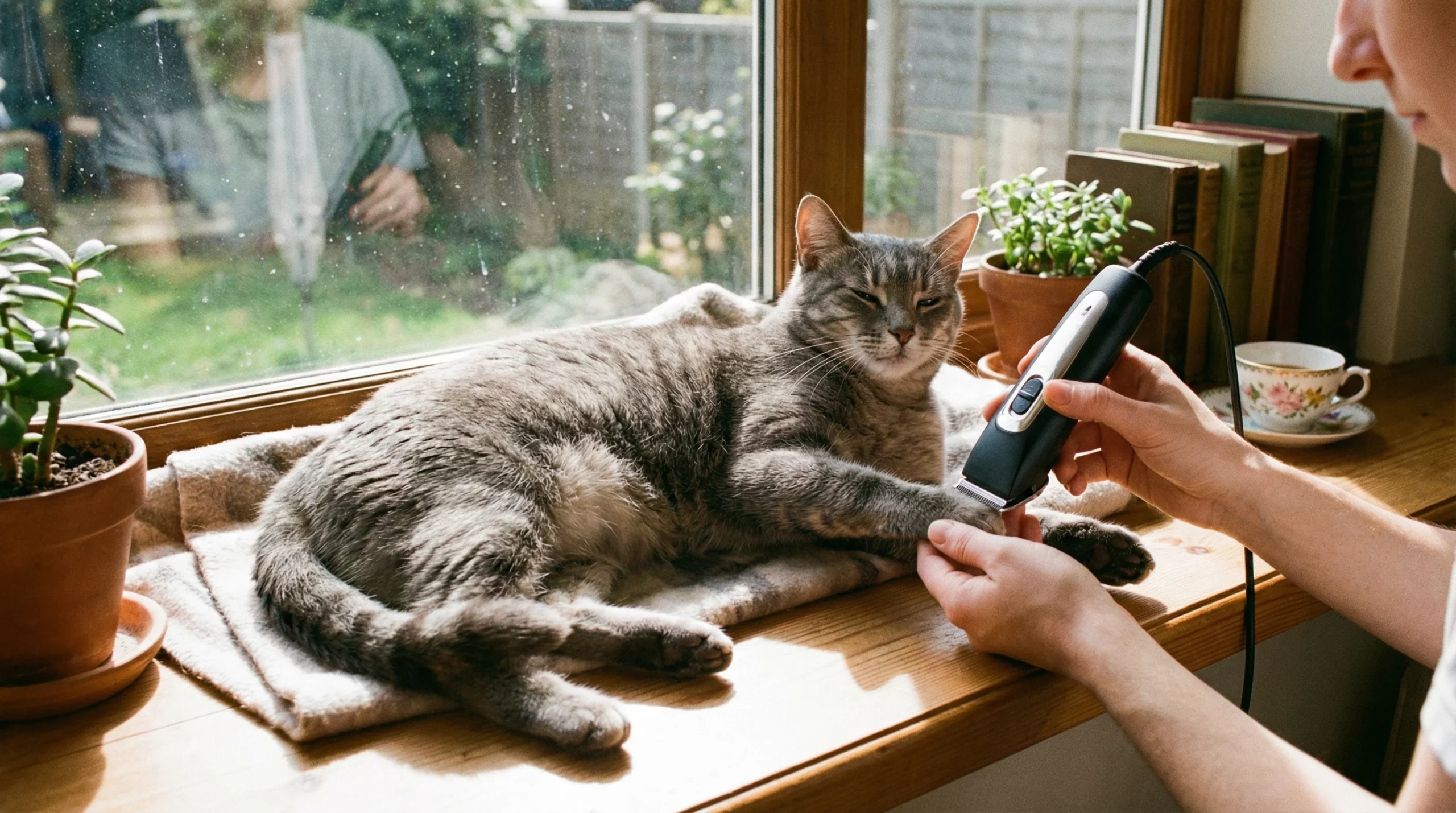
- Good lighting: The quick is easier to spot in bright light or near a sunny window.
Step-by-Step: How to Trim Cat Nails Safely
Starting slow and gentle is key. Here’s my go-to method for a calm trimming session at home:
- Pick a Quiet Time: Wait until I’m mellow or sleepy. After meals or during a sunbeam nap is ideal.
- Get Me Used to Paw Handling: Gently touch and massage my feet during regular cuddles. If I pull away, don’t force it. Just try again later with treats.
- Expose a Claw: Hold my paw and press gently at the base of a toe. This pops the claw out so you can see it clear as day.
- Spot the Quick: Look for the pink inner part (the quick). This is easier to see on white or clear claws. Stay a few millimeters away from it when you cut.
- Clip the Tip: Trim just the curved, sharp tip. Never go near the quick. Work slowly and calmly, nail by nail. If in doubt, better to leave nails a bit longer than get too close.
- Praise and Reward: Give me a treat, words of praise, or chin rubs after each paw or a couple of nails. Positive vibes equal future cooperation.
- Repeat on Each Paw: Most cat parents start with front paws first. If I’m patient, do the back paws too. If I’m done for today, try the rest tomorrow. Small wins are still wins!
If you notice me getting wriggly or cranky, take a break. Gentle, short sessions work way better than a wrestling match with an annoyed cat. Trust me, that’s no fun for either of us.
Common Nail Trimming Problems and Easy Fixes
Trimming cat nails doesn’t always go smoothly right away. I’ve seen humans worry about everything from frantic flailing to bleeding claws. Here are some smart fixes for common issues:
- I won’t sit still: Try wrapping me in a towel “purrito,” or ask a friend to gently hold me while you trim. Some cats stay calmer if trims happen in their favorite spot, like on a bed or cat tree.
- My nails are dark or hard to see: Use a flashlight or trim in sunlight. On black nails, snip only the hooked tip and go slow. Never guess where the quick is.
- You nicked the quick: Stay calm, use styptic powder to stop bleeding, and speak gently to help calm my nerves. Skip the next nail and try again another day.
- I’m still scared of nail trims: Make paw handling a regular thing, and reward calm behavior with treats or chin scratches. Building trust takes some time, but it pays off.
If I hiss, swat, or act unusually aggressive, check out the tips at Why Is My Cat Suddenly Aggressive? for more advice on handling a grumpy kitty.
When to Call a Pro: Knowing Your Limits
Trimming my nails at home is a solid plan for many cats and their people, but there are times to call in the experts. If I have very overgrown or ingrown nails, hurt paws, or I simply refuse to have my claws touched, let your veterinarian or a professional groomer handle it. There’s no shame in getting a little backup.
Some cats need regular sedation free trims at the vet because of wiggling, biting, or medical issues. You can always ask to watch their technique. Pro groomers are usually happy to show you how it’s done safely.
Tips for Stress-Free Nail Trimming Sessions
Building a good association with nail trims makes future sessions so much easier. My favorite hacks:
- Use my favorite treats, catnip, or cuddle breaks to keep things positive.
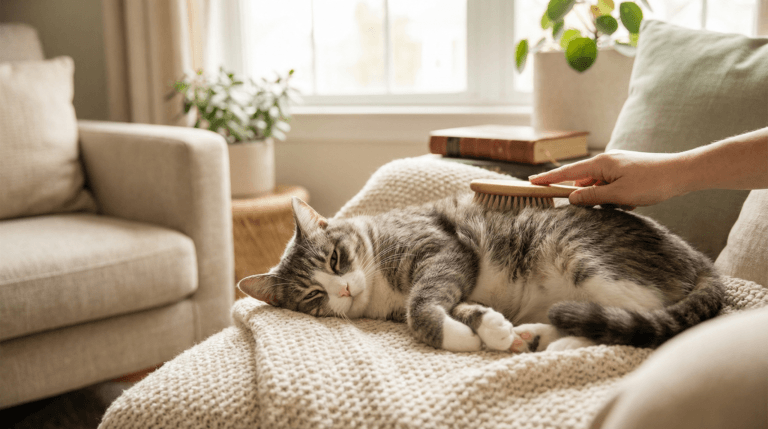
- Pair nail trimming with grooming or brushing. It’s like a mini spa day.
- Keep sessions short and frequent, especially if you’re just starting.
- If I only tolerate a few nails at a time, that’s totally fine. Just keep track and finish the rest later.
Understanding my Cat Body Language goes a long way, too. If you spot signs of stress or anxiety (flattened ears, twitchy tail, wide eyes), it’s time for a break or to try a different approach.
What Gear and Habits Make Trimming Easier?
Quality clippers and good lighting change everything. Dull blades can splinter nails (unpleasant) and make the job harder. I’d look for sharp, cat-sized trimmers and keep styptic powder ready, just in case.
Building positive routines helps, too. I recommend getting into the habit of touching and massaging my paws during calm moments, before you ever bring out the clippers. That way, I won’t think you’re up to anything sneaky when it’s trim time. It also helps you spot changes in my nails or paws early, before they turn into bigger problems.
If you run into bigger behavior challenges, check out Cat Behavior Solutions for more tips on working through tricky moments together.
Frequently Asked Questions About Cat Nail Trimming
Here’s what other cat parents are especially curious about:
Question: How often should I trim my cat’s nails?
Answer: Most indoor cats do well with nail trims every 2–4 weeks. If I’m older, less active, or have mobility issues, I might need trims more often since I’m less likely to wear my nails down on scratching posts or outside surfaces.
Question: Can I use human nail clippers on my cat?
Answer: Small human nail clippers work for kittens or small cats, but cat-specific clippers are usually easier to use on adult cats and make a cleaner cut.
Question: Do all cats need their nails trimmed?
Answer: Most indoor cats and older cats need nail trims for comfort and safety. Outdoor cats and heavy scratchers may wear them down naturally but still need an occasional check.
Question: What if my cat absolutely hates nail trims?
Answer: Take things slow, focus on rewarding calm behavior, and only trim a couple nails at a time. If you’re struggling, talk to your vet or try professional grooming for support.
Making nail trims just another normal part of your cat’s care is really important. The more relaxed and confident you are, the more trust your cat will have in you. When your paws are healthy, everybody wins. By sticking with short, friendly sessions and rewarding calm moments, you’ll both get used to the routine. If ever in doubt, ask your vet for tips or demonstrations. Chilled out nail trims keep us both happy—and your furniture will thank you, too.