How to Stop Your Cat From Scratching Furniture
If you’re here, your furniture probably looks like it’s been through a tiny tornado, thanks to one determined cat. I’ve been there myself (paws-on experience!), and I know how tricky it can be to keep those claws off the couch. The urge to scratch is baked into our cat brains—scratching keeps our claws slick, marks our territory, and just feels good. But it’s possible to channel all that scratch energy away from your favorite armchair without harsh scolding or punishment. Let’s check out some practical ways to make peace between paws and furniture while making life a lot better for us cats too.
Understanding Why Cats Scratch
Scratching isn’t just random mischief—there are reasons why cats love to do it. Keeping claws at a manageable length can also reduce damage, which is why learning how to trim cat nails safely is an important part of protecting your furniture. When I scratch, I’m not only keeping my claws in good shape, but I’m also stretching, relieving stress, and leaving my scent behind. The texture of certain materials (like that tempting sofa fabric) feels pretty great under my paws. If your cat’s going for the furniture, it’s usually because it’s the comfiest, most accessible spot—or just plain habit.
Trying to stop scratching by punishment doesn’t really work, and it can make your cat anxious or even scared. The trick is to work with your cat’s instincts, not against them. Take a moment to observe when and where your cat loves to scratch; sometimes the time of day or even particular moods can offer clues. By getting to know your cat’s patterns, you’ll be ready to offer better solutions.
Setting Up Scratching Alternatives
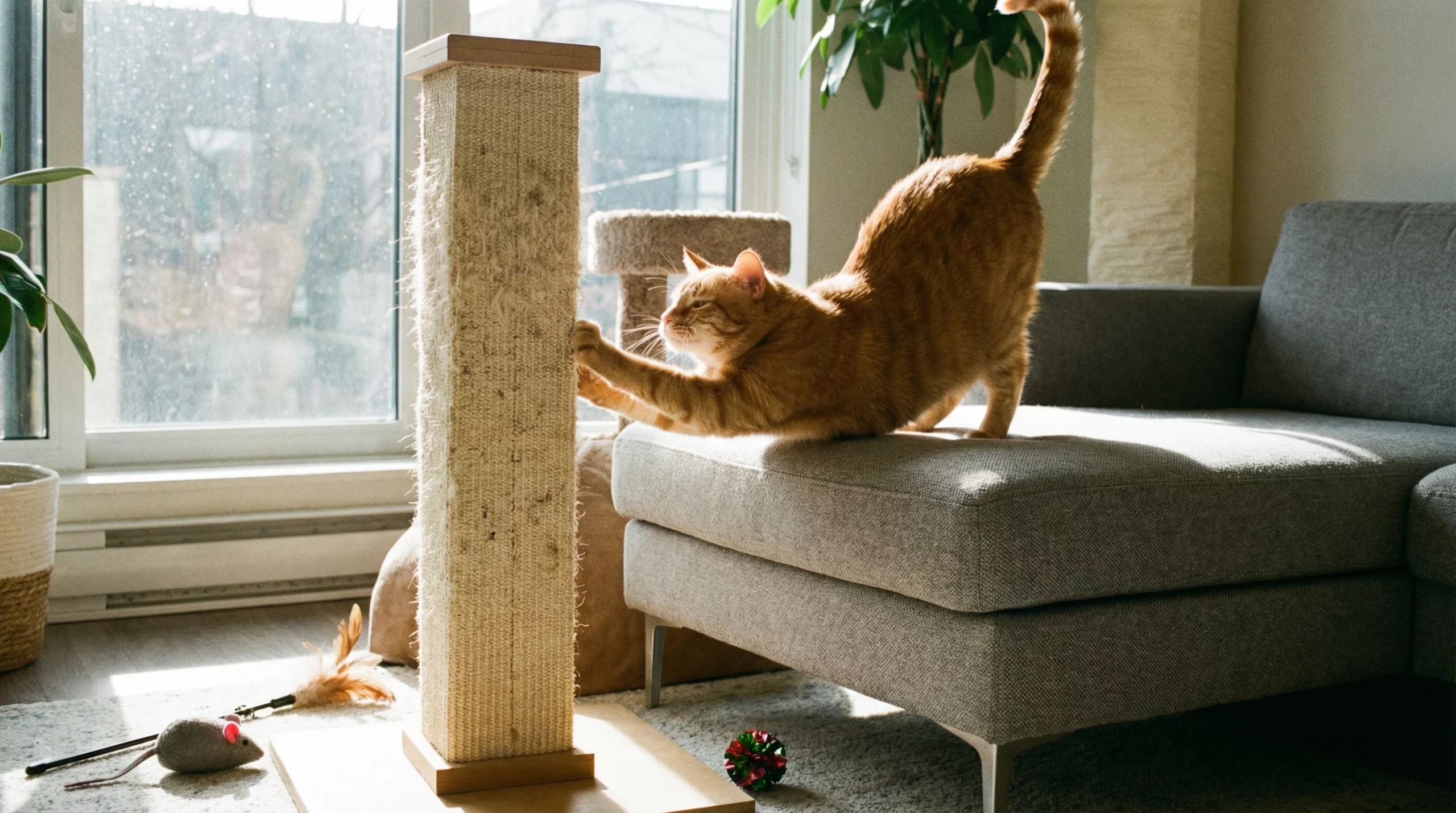
Offering your cat better places to scratch is the key. I can’t resist a good scratching post, especially if it’s sturdy and fun to use. The right scratching post can keep claws away from your furniture and let your cat mark their territory safely. You may be surprised how quickly cats jump at new scratching spots, especially if they’re introduced with a little flair.
- Material matters: Some cats like sisal rope, others love cardboard or even carpet. Notice what kind of fabric your cat scratches now—matching the texture helps. Test out two or three materials to see which gets the most attention.
- Height and sturdiness: Posts should be tall enough for a full stretch and heavy enough so they don’t tip. A stable base is essential so your cat feels safe letting it rip.
- Variety is good: A few scratching posts (vertical, horizontal, flat mats) around the house usually works well. For ideas on types of posts, check out reputable pet care sites like International Cat Care. Cats love options, and switching things up keeps life interesting for them.
Where To Place Scratching Posts
Where you put a scratching post makes a big difference. If a post is shoved in a quiet corner, I may not use it. Cats want to scratch where they spend most of their time, especially near nap spots and family hangouts. If your cat’s scratching in the same place every day, try putting a scratching post right there and notice if it gets more attention.
- Place posts right next to furniture that’s been scratched before, so your cat has a clear choice and doesn’t have to wander far.
- Try posts in social living areas, beside the front door (cats like to mark entrances), or close to sleeping spots for a good morning stretch. Routes to favorite windows or perches are also good spots.
Posts that are visible and accessible are a lot more fun for a cat. If your home has multiple levels or larger rooms, setting up more than one post increases the chance that your cat chooses them over the furniture. Don’t forget to switch the location from time to time to match your cat’s changing preferences.
Training Techniques: Encouraging The Right Scratching
Getting your cat hooked on the scratching post takes a little time but is totally doable. I’m always more likely to use a new post if it smells interesting and is rewarding every time I scratch. Playtime or treats around the post can make it the hotspot for your cat.
- Catnip works wonders: Rubbing catnip or spraying catnip spray onto posts encourages cats to investigate. Some cats respond better to silvervine or valerian; try a couple to see what sparks interest.
- Reward with treats: Every time your cat uses the post, toss a tasty treat right at its base. Positive association builds fast—sometimes in just a day or two.
- Gently redirect: If you notice your cat heading for the couch, just pick them up and move them to the post. Give them praise or a treat when they scratch there; most cats catch on surprisingly quickly.
- Show by example: Run your fingers down the post, or scratch with your own nails; sometimes we like to copy our humans. This works especially well with kittens or newly adopted cats.
Ignore accidents on the furniture. Scolding doesn’t help and could stress your cat out. Instead, every time the scratching post is used, bring the good vibes with treats, toys, or extra pets. Over time, these positive vibes make the post a favorite spot, and the old furniture falls out of the habit book.
Deterrents and Furniture Protection
If there’s a piece of furniture your cat has already claimed, it helps to make the spot less appealing while the new habits are forming. Creativity goes a long way in protecting your favorite spots.
- Double-sided tape: Cats usually hate sticky textures on their paws. Special doublesided tapes like Sticky Paws are safe for furniture and can make that spot less fun to scratch. These adhesives are usually simple to apply and leave no residue when removed.
- Furniture covers: Throw blankets, plastic covers, or slipcovers can protect favorite scratch zones. Just be sure your cat has a better alternative nearby. Even temporary covers are useful during the training phase.
- Scent deterrents: Sprays with citrus or herbal scents may help, as most cats dislike them. Don’t use anything that contains essential oils, which can be toxic for cats.
- Soft nail caps: Temporary, vet-applied nail caps like Soft Paws can blunt the damage while training is getting started. They’re safe when applied right, but should only be a short term solution.
Never use methods that cause your cat fear, such as loud noises, physical punishment, or spray bottles. Those do more harm than good. Instead, focus on gentle deterrence and positive alternatives, helping your cat feel secure and confident.
Surface Preferences: Understanding Your Cat’s Instincts
Every cat has a favorite surface to scratch. Some love rough textures like sisal, while others pick out certain kinds of upholstery or wood. Watch your cat to see where and how they scratch, from vertical arm rest stretching to a good dig on a carpet. Matching the scratching post or pad to those preferences helps a lot, and even older cats can switch things up with the right incentive.
If you’ve got a cat who picks horizontal spaces, flat scratchers work better than upright posts. If your cat stretches up on chair arms, a tall scratching post or a wallmounted vertical panel might be more tempting. In multi-cat homes, make sure every feline gets their own favorite style to reduce competition and spread out the scratch traffic.
Adding Environmental Enrichment
Cats scratch more when they’re bored, anxious, or don’t have enough interesting things to do. Keeping your cat busy and happy helps cut down on unwanted scratching sessions. Providing fun activities and new places to climb or watch the outside world are great ways to tap into your cat’s natural curiosity.
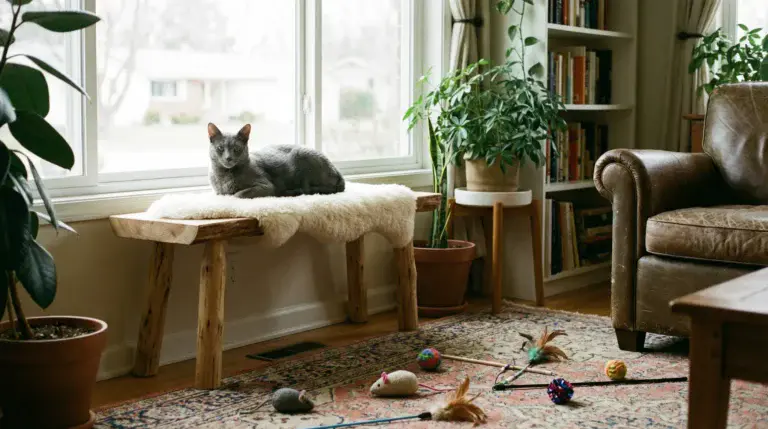
- Rotate toys to keep interest high. Think wand toys, puzzle feeders, or crinkly play tunnels that invite playful energy.
- Offer cat trees or furniture with built-in scratch panels and climbing options; these are perfect for jumping and scratching all in one place.
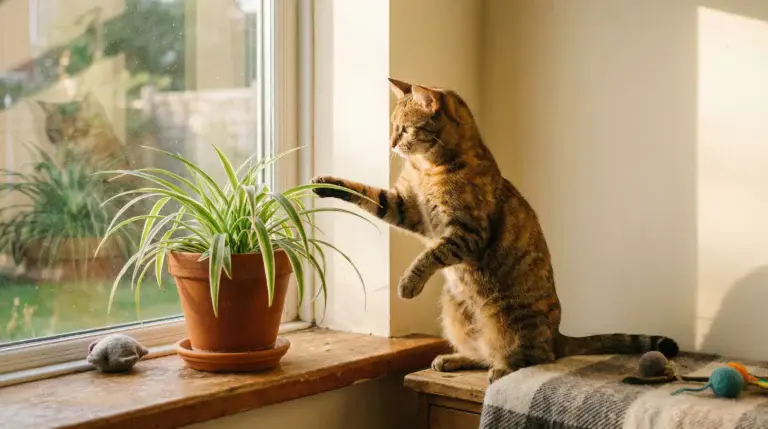
- Put up shelves or perches by a window. Watching birds and squirrels all day is pretty entertaining for a cat and makes the spot much more fun than a couch leg.
- Regular play sessions can burn off scratchy energy. Try different games to see what gets your cat zooming around and taking breaks to scratch where you want them to.
If your cat is stressed out by new pets, changes in routine, or a big move, try extra bonding time or a pheromone diffuser like Feliway. Calmer cats scratch less out of anxiety and more just for fun. Taking the time to understand your cat’s feelings and providing comfort really pays off in less furniture damage.
Common Questions About Cats Scratching Furniture
Question: What if my cat ignores the new scratching post?
Answer: Try different spots and surfaces. Sprinkle catnip, attach dangling toys, or try different heights and textures until you find what your cat loves. I always vote for a sturdy post near my favorite nap spot. Keep experimenting until something clicks.
Question: Is declawing a safe option?
Answer: Declawing isn’t recommended; it’s painful for us and removes part of our toes, not just the claws. Most vets and animal advocates strongly discourage it. There are safer, humane ways to protect your furniture and keep your cat healthy.
For more, see the Humane Society’s info on declawing. Let’s stick to gentle redirection and better scratching post placement instead.
Question: How can I fix fabric that’s already scratched up?
Answer: Snagged fabric can sometimes be tucked in, shaved with a fabric comb, or patched with slipcovers. Routine vacuuming helps keep shredded bits tidy while you work on new scratching habits. If damage is severe, professional upholstery repair or a creative decorating move can give the piece a second life.
Keeping Your Cat and Your Furniture Happy
You can keep your couch looking good and your cat content by offering smart alternatives, showing a little patience, and working with natural habits. Providing appealing scratching posts, protecting problem areas, and adding extra fun to your cat’s space make a big difference. It’s not about stopping a behavior, but giving it a better outlet. Both your cat and your living room will thank you. With time and creativity, you’ll enjoy a happier home and a happier cat—no more furniture battles, just peaceful coexistence between paws and pillows.