How To Improve Your Cat’s Gut Health Naturally
Keeping cat guts happy isn’t just about avoiding the litter box blues; it’s pretty much the secret sauce for a feline’s overall health. I picked up a lot (sometimes the hard way) about what makes our insides purr: daily habits, food choices, and even play routines can flip a cat’s gut from grumpy to gleeful. If you’re aiming to give your cat’s digestive health a boost, you’ll find straightforward steps here that fit the feline life, straight from my own experience prowling through every snack and snooze spot in the house.
Why Cat Gut Health Matters
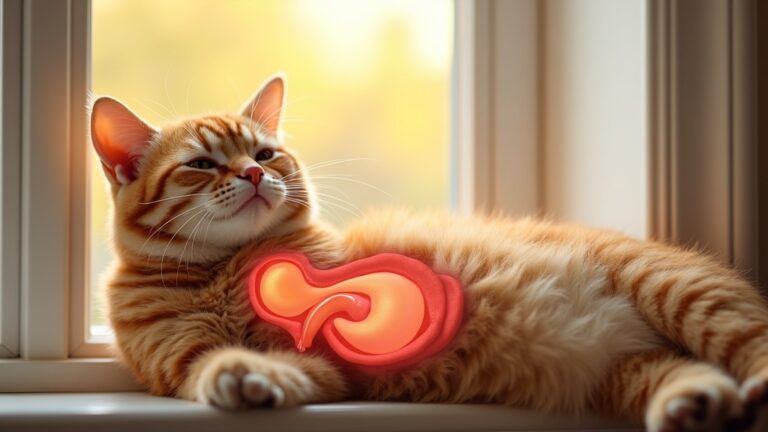
Your cat’s gut does more than break down kibble. A healthy gut helps manage weight, keeps immune systems sharp, and can even mellow out temperamental moods. About 70% of your cat’s immune system hangs out in the digestive tract, which makes it super important. A struggling gut can show up as loose stools, vomiting, stinky breath, or just a tired, grumpy kitty.
Cats like me are built as “obligate carnivores,” which means our bodies have a pretty simple request: protein, and plenty of it. But even a meatlover’s menu needs the right balance of fiber, hydration, and beneficial bacteria (those good-guy probiotics) to keep things running smooth from one end to the other.
Getting Started: First Steps for Cat Gut Wellness
Before you switch up your cat’s entire pantry or buy every fancy treat on the shelf, tuning into a few gut basics can make all the difference. Here are some starting points that every cat parent should know:
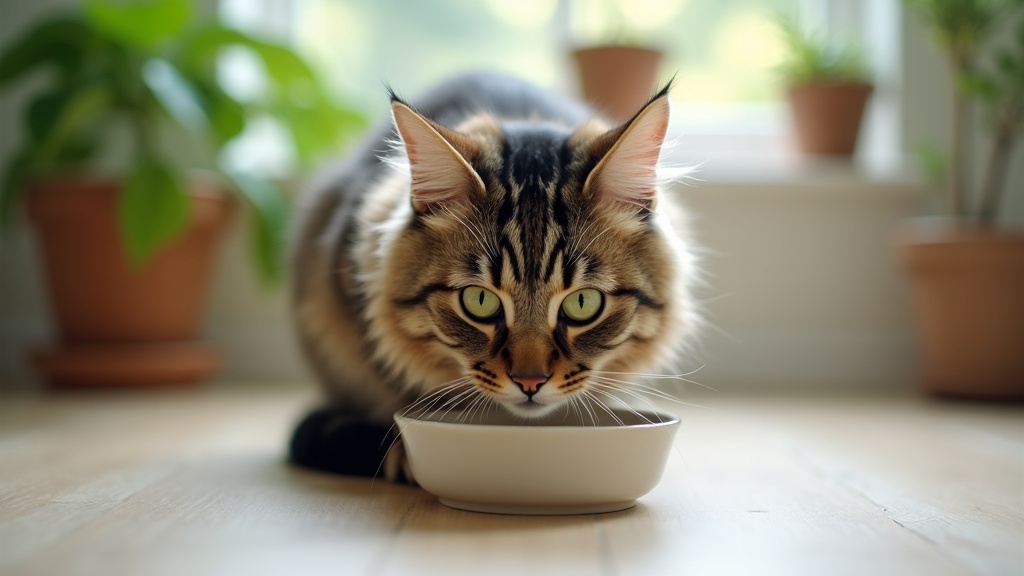
- Hydration: Cats aren’t always great at hitting the water bowl. Wet food, water fountains, or even a splash of broth (low sodium, please!) in meals can keep things flowing in the digestive pipeline.
- Quality Protein: Look for foods where real meat is the first ingredient. Fish, chicken, turkey, and beef all offer the amino acids a cat’s gut needs for lining repair and daily function.
- Gradual Food Changes: Our bellies hate surprises. New foods should be mixed in slowly over a week, or you’ll likely see some “outside the box” protests.
Building Blocks of a Healthy Cat Gut: What Actually Matters
A gutfriendly life isn’t about chasing fads. These are some of the pillars of a happy, purring digestive system—the things I’ve learned make a real difference:
- Probiotics and Prebiotics: Probiotics are the good bacteria; prebiotics are the fibers that feed them. Cats can benefit from high quality diets with these included, or with supplement powders recommended by your vet.
- Balanced Fiber: While cats don’t need as much fiber as dogs or people, small amounts of veggies or psyllium husk (often found in digestive support foods) support regular stools and hairball control.
- Minimal Fillers and Additives: Check ingredient lists for wheat, corn, soy, and artificial junk, as these can bother sensitive tummies. Foods made for gut-sensitive cats tend to skip these.
- Consistent Feeding Times: Our digestion gets used to routines. Sticking to regular mealtimes helps avoid hunger pangs and keeps gut bacteria balanced.
Step-by-Step: How to Improve Your Cat’s Gut Health
Making changes can seem overwhelming, but breaking things down into simple steps helps your cat (and you) ease into a new routine. Here’s a blueprint I’d recommend:
- Talk to Your Vet First: Any tummy trouble, like constant diarrhea, vomiting, or weight loss, means a checkup. Ruling out infections, parasites, or food intolerances comes before any at-home tweaks.
- Pick the Right Diet: Look for food labeled as “complete and balanced” with meat as the top ingredient. Fortified diets with prebiotics and probiotics work well for many indoor cats.
- Introduce Wet Food: Wet food helps with hydration and tends to be easier for sensitive guts to digest. If switching from dry to wet, do it gradually.
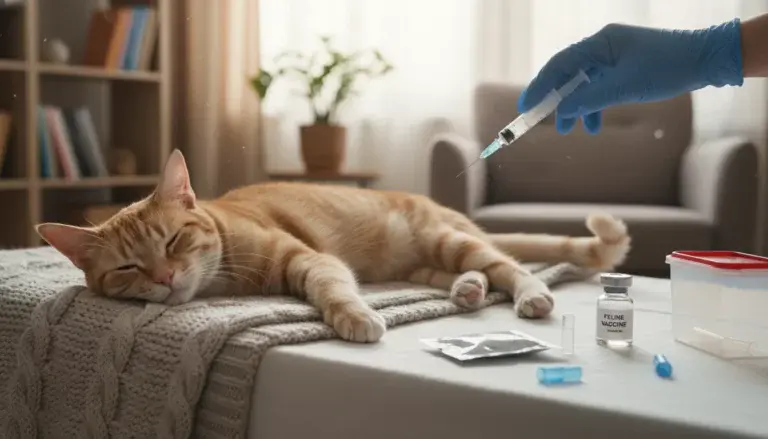
- Add a Probiotic Supplement: Not all yogurt is catsafe, but vet recommended probiotic powders or chews make a noticeable difference. My own gut felt smoother after a few weeks of daily probiotics.
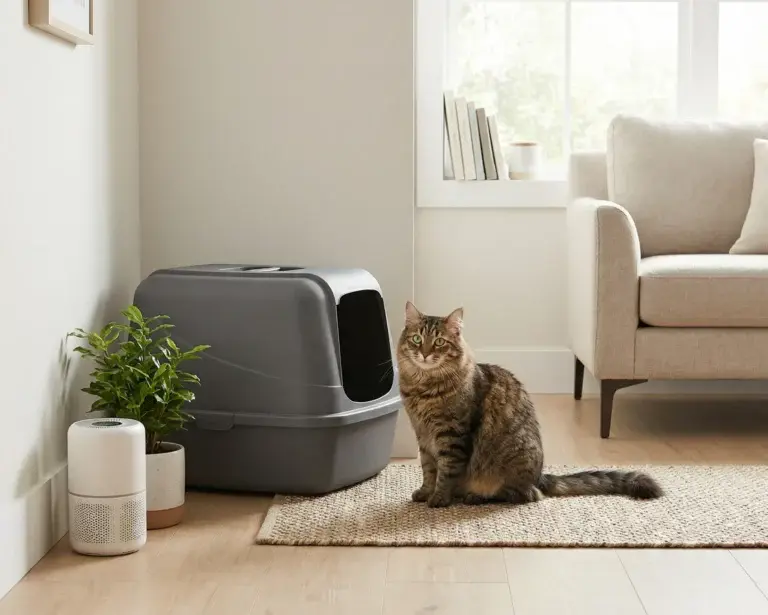
- Monitor Litter Box Habits: Healthy guts make healthy poops. Keep a casual eye out for changes in frequency, consistency, or color, since these are early warning signs the gut isn’t thrilled.
Common Challenges & How to Troubleshoot Gut Problems
Even the best-run homes see the occasional digestive disaster. Here are some common issues I’ve faced (and eaten my way out of):
- Hairballs: Longhaired cats, or those who groom a lot, need a boost of fiber or a “hairball care” food. If they’re hacking them up constantly, check with the vet.
- Food Intolerances: Some cats are sensitive to chicken, fish, or grains. If you see itchiness or digestive issues after meals, food sensitivities might be the culprit. There are hypoallergenic and limited ingredient foods made just for us sensitive types.
- Antibiotics: After antibiotics, guts often feel wiped out. That’s when probiotics can really help rebalance the system.
What to Watch Out For
Call the vet if you notice blood in the stool, constant vomiting, a big drop in appetite, or sudden weight loss. These signs can mean something more serious is happening.
Tips for Multi-cat Households
Cats all have different guts, preferences, and snack secrets. Feed each cat individually if you have one with unique needs, and keep an eye out for food thieves (I know that trick well). Separate litter boxes can also make tracking changes way easier.
Cat Gut Health in Everyday Life
Gut health touches a cat’s whole vibe—play, naps, coat shine, even how much we tolerate that laser pointer. A happy belly means more energy for climbing, less stinky litter, and brighter eyes. Here’s a little real-world snippet from my own routine:
- Morning: I wake up, demand breakfast (high-protein, just how I like it), then hit the water fountain for a quick sip.
- Daytime: A bit of play, followed by a probiotic chew treat. I do my business in a clean litter box, which makes noticing anything “off” pretty easy for my human.
- Evening: Dinner is a blend of dry and wet food with some fiber-rich treats on the side. My coat stays glossy and my mood upbeat because my belly feels good.
Frequently Asked Questions
Here are some burning questions that come up around cat gut health. If you’re wondering, you’re definitely not alone.
Question: Should I give my cat probiotics every day?
Answer: Daily probiotics are usually fine for most cats, especially after antibiotics or gut trouble. Always follow your vet’s advice and start slow; the best probiotics are made for cats, not humans.
Question: Is plain yogurt safe for cats?
Answer: Most cats don’t handle dairy well. Cat-specific probiotic treats or powders are a safer option.
Question: What’s the best way to prevent hairballs?
Answer: Regular brushing, the right fiber in the diet, and hairball control foods can help. If your cat still coughs up a lot, get a vet opinion to rule out bigger problems.
Question: Can stress mess up my cat’s digestion?
Answer: Yes! New people, pets, moving, or routine changes can all freak out your cat’s gut. Keeping playtime and routine consistent helps a lot.
Takeaways for Happier Cat Guts
Improving a cat’s gut health doesn’t mean going wild with supplements or trendy foods. A focus on quality protein, hydration, some good bacteria, and steady routines does wonders. Like most things with cats, patience and careful observation go a long way. When your cat’s gut feels good, you’ll notice more energy, better moods, and the kind of happy, relaxed chill every cat (and cat parent) wants.
Your cat’s adventure to better gut health starts with a few small tweaks. Keep the water bowl fresh, dish up the good stuff, and know that a happy belly helps the whole cat thrive. Here’s to happier guts, and even happier cats!