How to Groom Your Cat for Healthy Fur
Keeping my fur sleek, shiny, and healthy is basically an art, and honestly, it’s pretty important for any cat’s comfort and good looks. For us cats, grooming isn’t just about vanity. Clean fur keeps us warm, reduces shedding, and can help us avoid itchy skin and mats that pull at every movement.
I’ve seen a lot of curious humans wondering exactly how to help their feline friends look and feel their best. So I’m sharing my inside scoop on how to groom your cat for healthy fur. Here’s my personal routine, packed with practical steps and tips that work whether you’re new to cat care or already have a routine going.
Expect some paws-on experience, a dash of patience, and the right tools to keep that coat in top shape. Let’s jump in and make your cat’s fur the best it can be!
Step 1: Understand Your Cat’s Unique Coat
Cats like me come in all sorts of coat types: short, long, thick, or even curly. The way you groom us usually comes down to these differences. Short-haired breeds typically need less daily attention than long-haired beauties, but all cats benefit from a little regular help.
What Kind of Fur Does Your Cat Have?
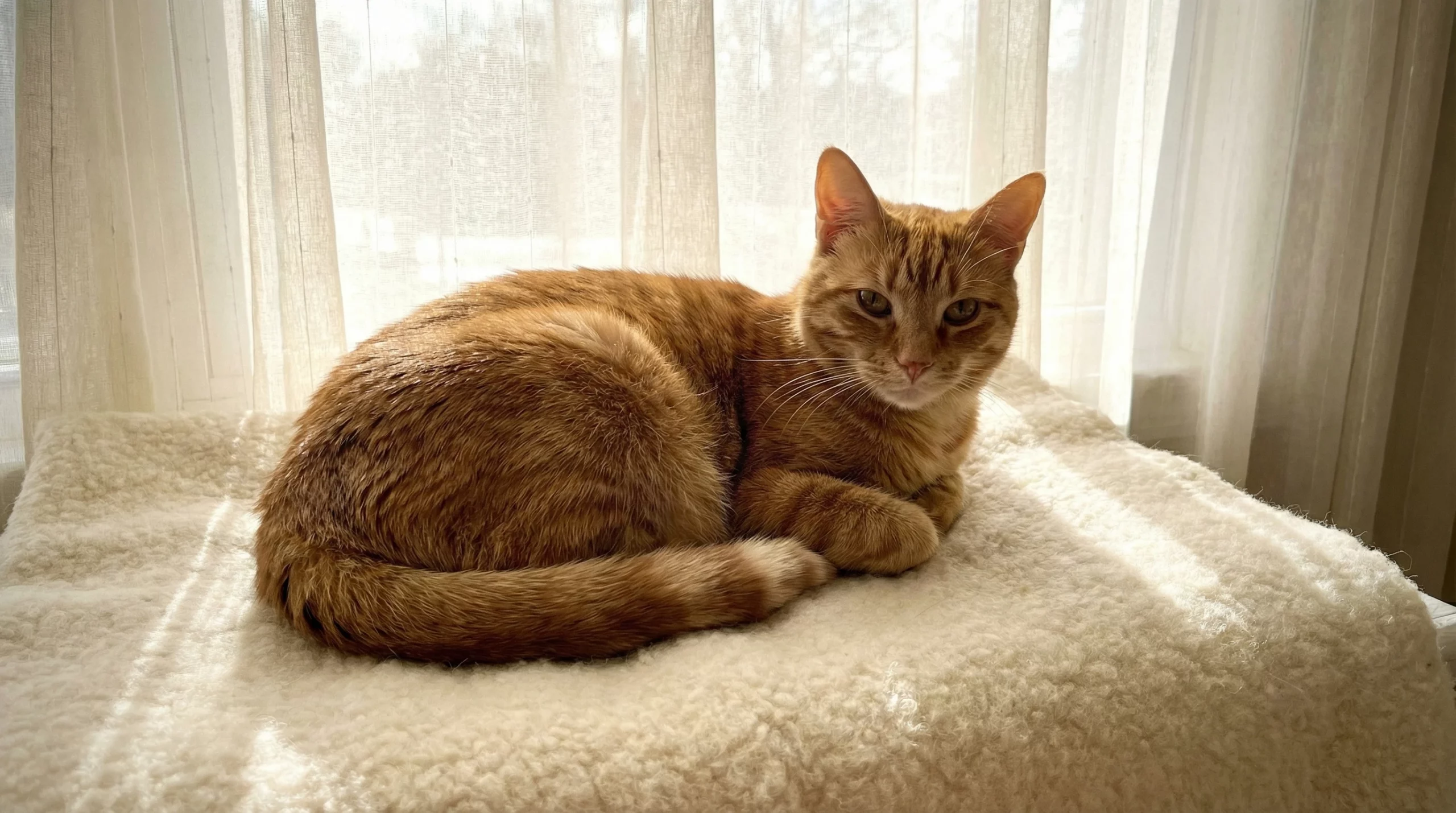
- Short, sleek fur (like mine): Quick brushing a few times a week usually does the trick.
- Medium length or plush fur: Needs more frequent brushing to keep mats from forming.
- Long-haired or fluffy cats: Daily brushing is really important for avoiding tangles and knots.
Other Facts To Consider:
- Seniors or overweight cats might have trouble reaching spots and need extra help.
- Cats with sensitive skin require gentle brushing and hypoallergenic products.
Knowing your cat’s coat type helps you pick the right grooming tools and schedule. This makes life more comfortable for both you and your cat.
Step 2: Choose The Right Tools For The Job
The right brush or comb really matters. I’ve sat through plenty of grooming sessions to know that a proper tool can make all the difference. If your cat isn’t a fan of being brushed, it could be because the tool is uncomfortable or pulls at their fur.
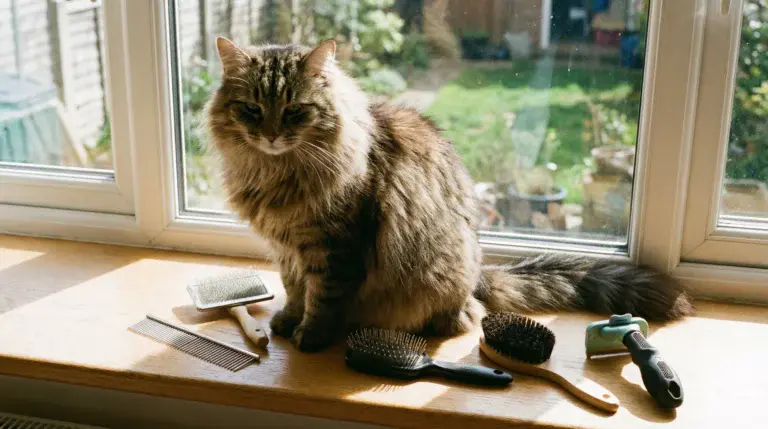
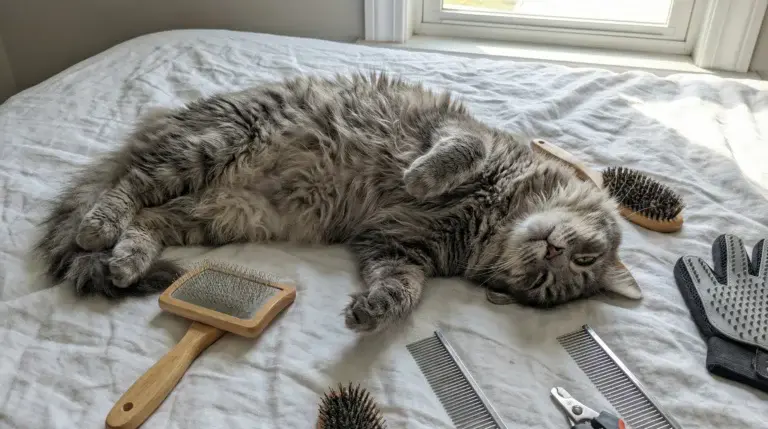
Handy Brushes and Combs:
- Slicker brush: Great for long-haired fur and loosening tangles.
- Bristle brush: Works for short coats and adds shine.
- Widetooth comb: Good for detangling and gentle on knots.
- Flea comb: Helps spot fleas early and removes debris.
I also suggest keeping a pair of blunt-nosed scissors on hand (just in case mats show up), but use these only if you’re confident you won’t nip the skin. Never yank at a mat; patience and gentle technique are important.
Step 3: Make Brushing a Positive Experience
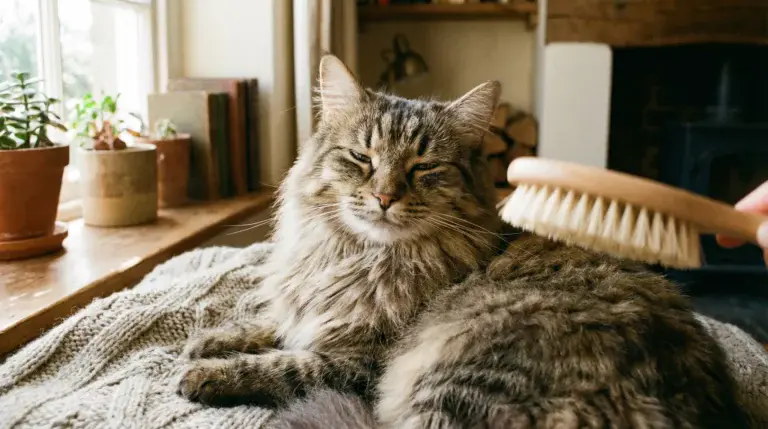
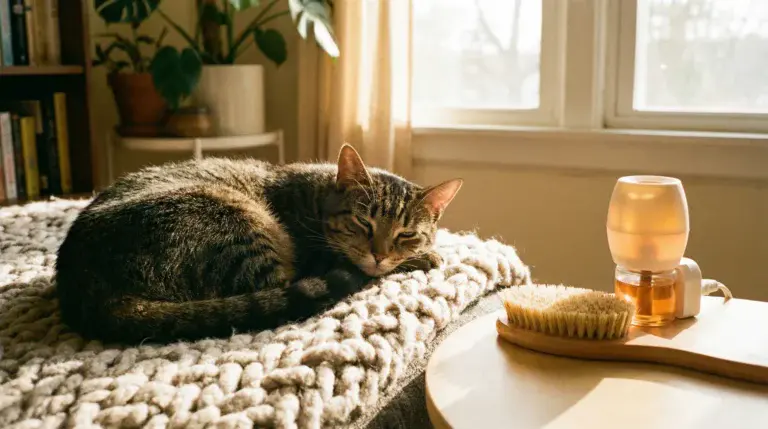
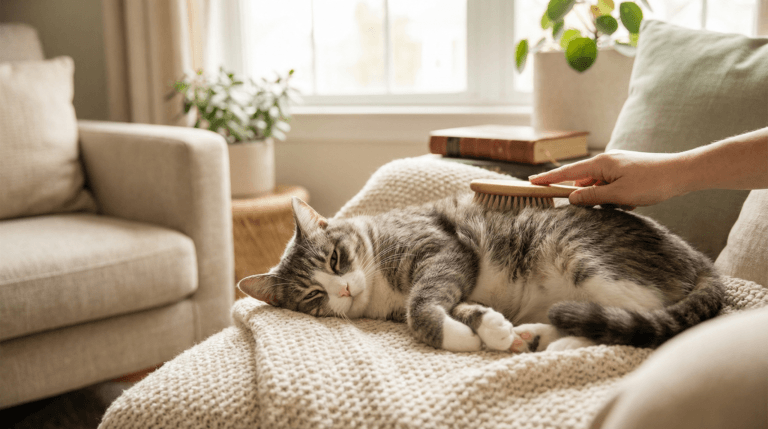
I know some cats act like brushing is a form of medieval torture, but it really doesn’t have to feel that way. My favorite tip is to introduce brushing during a time when your cat is relaxed, such as after a meal or in a cozy spot while they’re lounging.
Tips For Low-Stress Brushing:
- Keep initial sessions short—just a minute or two works when starting out.
- Offer crunchy treats or gentle chin scratches as a reward.
- Use slow, gentle strokes and avoid pulling on tangles.
- Pay attention to signals. If your cat’s tail is flicking, or they seem tense, give it a break and try again later.
Most cats (myself included) don’t like having their belly, feet, or tail brushed at first. Start with the back and sides, working up to those sensitive areas gradually. Trust gets built up with consistency and patience over time.
Step 4: Tackle Tricky Mats and Tangles
Mats can sneak up on even the tidiest cats, especially around the neck, behind the ears, under the arms, and around the tail. Once a mat forms, it gets worse if ignored. I recommend using a widetooth comb to gently separate the fur before using a slicker brush.
How I Like My Mats Removed:
- Hold the fur close to the skin to reduce painful tugging.
- Work slowly from the end of the mat outward, using your fingers first if possible.
- Don’t try to pull or rush. If a mat is stubborn, get advice from a groomer or vet to avoid hurting your cat.
Mats left unchecked can cause sores or infections, especially in long-haired cats. That’s why you want to keep up with regular grooming instead of waiting for a problem to pop up.
Step 5: Extra Steps For Healthy, Shiny Fur
A clean coat isn’t just about what’s happening on the outside; what your cat eats and how you care for their overall health matter, too. Cats with proper nutrition, regular exercise, and a calm home tend to have better fur across the board.
Diet and Supplements:
- High protein, grain-free food supports skin and coat health.
- Omega3 and -6 fatty acids may help with shine (always check with your vet before trying new supplements).
- Fresh water each day keeps skin hydrated and fur soft.
Other Fur-Boosting Tips:
- Keep your cat flea free; flea bites can cause itching and hair loss.
- Minimize stress in the home. Anxious cats sometimes overgroom or shed more.
Regular vet checkups catch anything out of the ordinary that could affect skin or hair, like allergies or underlying illnesses. If your cat seems itchy or starts losing fur in patches, always ask your vet pronto.
Step 6: Grooming Beyond Brushing – Baths, Nails, and Ears
Most cats don’t need many baths, but sometimes we roll in something questionable, and a bath becomes unavoidable. Here’s how I’d recommend handling those other grooming needs:
Bathing Basics:
- Use a mild, cat-specific shampoo. Human products can dry out skin.
- Keep the bath short and lukewarm. Dry thoroughly with a towel, then let me finish airdrying.
- Try spot cleaning with a damp cloth if your cat isn’t a fan of baths.
Nail and Ear Care:
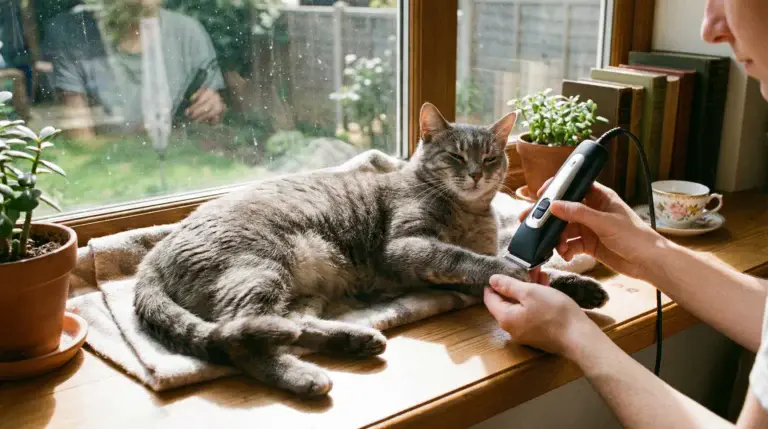
- Trim nails every 2 to 4 weeks with proper cat nail clippers. Only snip the clear part; never the pink quick.
- Check ears occasionally for wax or debris. Clean with a vet-approved ear wipe or solution if needed.
Making these steps a calm and regular routine keeps your cat feeling comfortable, and also saves your furniture in the process. If your cat is really squirmy, try handling their paws and ears gently in between grooming sessions to get them used to it.
Common Cat Grooming Questions
How often should I brush my cat?
Short-haired cats like me do well with two or three brushes per week. Long-haired cats do best with daily brushing to keep mats out and tangles away. Regular brushing also reduces excess shedding around your house.
What if my cat is scared of brushes?
- Try using a grooming glove or soft brush first.
- Keep sessions super short and reward with treats.
- Never force it; try again later when your cat is relaxed.
Do cats need professional grooming?
Most cats do great with home care, but some may need professional help if mats get severe or special trims are necessary. Groomers know how to handle nervous cats and have all the right tools for a safe grooming experience.
Key Reminders For Healthy Cat Fur
Healthy, shiny fur starts with a little love, the right tools, and a routine that works for you and your cat. Stick with gentle brushing, pay attention to your cat’s body language, and don’t hesitate to ask your vet about anything weird you notice; for example, bald patches, skin irritation, or extra shedding.
Thompson’s Fur-Friendly Grooming Checklist:
- Brush a few times per week (or daily for long-haired cats).
- Pick the right brush and be gentle; comfort beats speed.
- Check for mats, fleas, and anything odd during each session.
- Feed high quality food and give plenty of fresh water.
- Make every grooming time a chill, positive experience.
Healthy fur is a team effort, and your cat will appreciate the time you spend helping them look and feel their best. Got more cat grooming questions? Drop me an email at thompsoncares@thompsonscathealthhub.com—I’m always happy to share more tips from the feline side of things. And remember, with a little patience and the right touch, grooming time can easily become bonding time with your furry pal.