How To Create A Calm Pre-Grooming Routine For Anxious Cats
If you want grooming sessions to be smooth, the real magic starts long before you ever pick up a brush. As Thompson, a cat who’s seen my fair share of startled humans, I know firsthand how anxiety can build up in cats at the first sign of a grooming routine. The suspense and unpredictability leading up to it are often what get our tails in a twist. Predictability gives us cats a chance to relax, process, and build trust, so a little planning ahead is a smart move for everyone involved.
Who This Is For
This routine is especially helpful for:
- Cats who hide, swat, or freeze during grooming
- Senior cats or rescues with unknown histories
- Cats who tolerate brushing sometimes but panic unpredictably
Why Anxious Cats Need a Pre-Grooming Routine
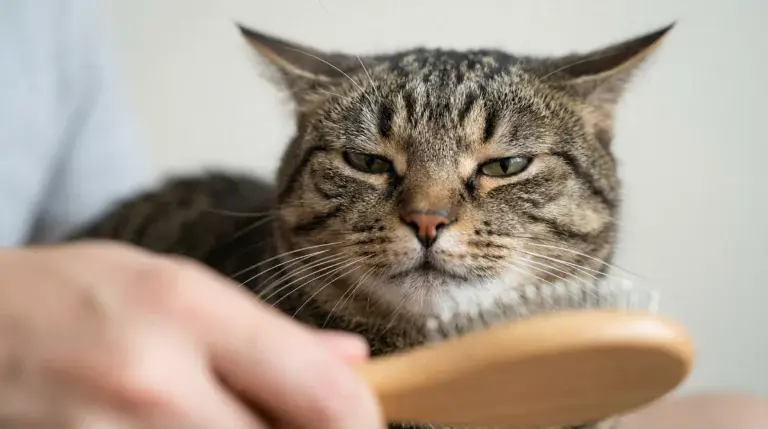
Cats show anxiety and overstimulation in different ways. Anxiety tends to build quietly, starting as unease that grows when routines are unpredictable or rushed. Overstimulation, on the other hand, usually shows up mid-session; think twitchy tails or sudden swatting. When anxious cats don’t get a chance to prep mentally and physically, even mild grooming can tip us over the edge. You might see hiding, frantic wriggling, swatting, or even total panic.
Routines give cats a sense of control. Familiar steps, a predictable environment, and gentle signals help us anticipate what’s next. When the routine is skipped, you’ll probably notice a jump in stress and negative reactions. That’s why prepping ahead is a go-to move for lowering the chance your cat will bolt or lash out. For more details on this, check my post on Cat Anxiety vs. Overstimulation.
Step 1: Choose the Right Time of Day
Timing is everything for pre-grooming peace. Cats are creatures of habit, and you’re more likely to have a chilled-out grooming session if you wait until after your cat’s eaten, napped, or finished playtime. After a meal, we cats are usually in a mellow mood. Post-nap is another sweet spot because we’re relaxed and less likely to be hyper alert. Post play can help too, as long as your cat isn’t wound up from catch-the-feather mode.
Trying to groom when energy is high, like during zoomie hour, doesn’t end well. You might notice wide eyes, flicking tails, or frantic running around, which are signs your cat’s already too amped for calm touches. If your cat is hissing, ducking away, or can’t sit still, it’s a clear sign to call off the session and try later.
Step 2: Create a Calm, Familiar Grooming Environment
Where you groom makes a big difference for anxious cats. Cats pick up on even subtle changes in the environment, so choosing a quiet, familiar room really helps. I recommend finding a spot away from the chaos, with no loud appliances, thumping music, or busy family traffic.
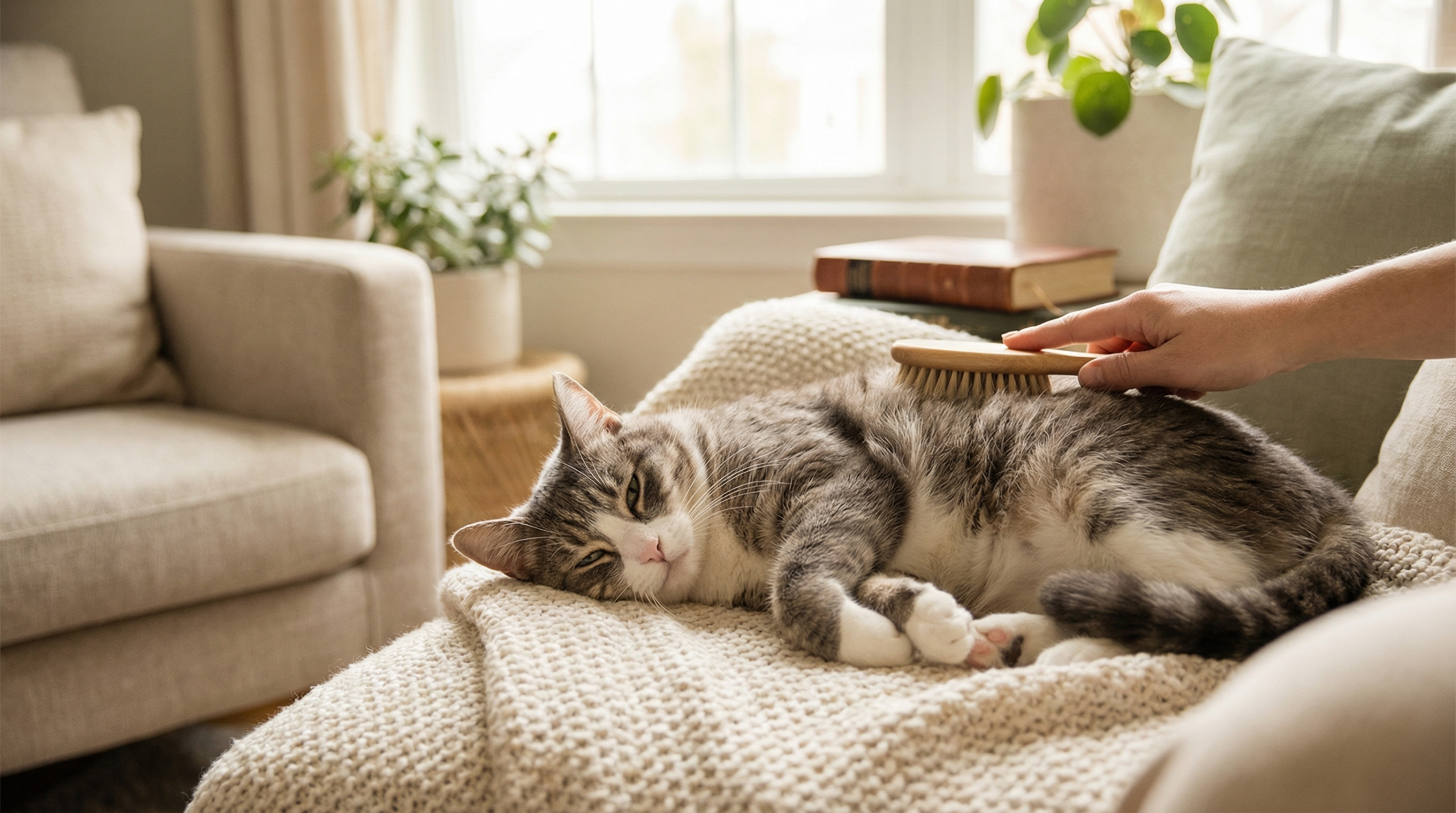
Surroundings should feel safe. Lay out a favorite blanket or towel that smells like home. Using the same blanket every session gives your cat a reliable comfort cue. Avoid drafty, echoey rooms or new places your cat rarely visits, since these can spark new worries. Familiar surfaces, consistent smells, and gentle lighting create a safe pre-grooming zone. You could even add a cat bed or a few favorite toys nearby to make the space feel extra cozy, especially if your cat loves to knead or burrow before settling in. Sweet scents like a little catnip nearby can sometimes create a positive association—just make sure it doesn’t get your cat too wound up.
Step 3: Use Consistent Pre-Grooming Cues Cats Can Recognize
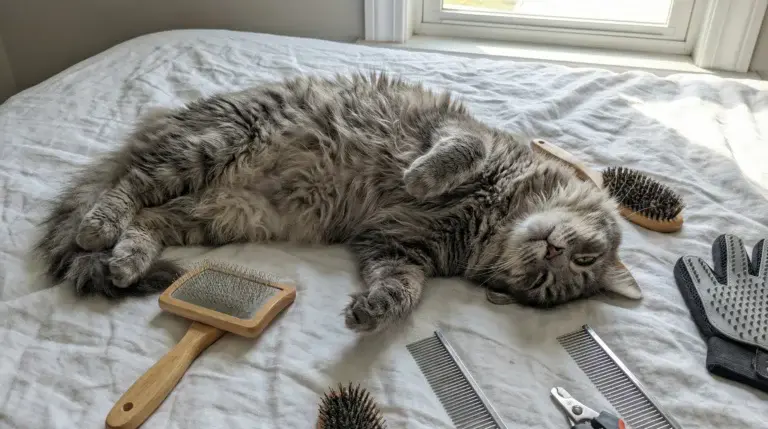
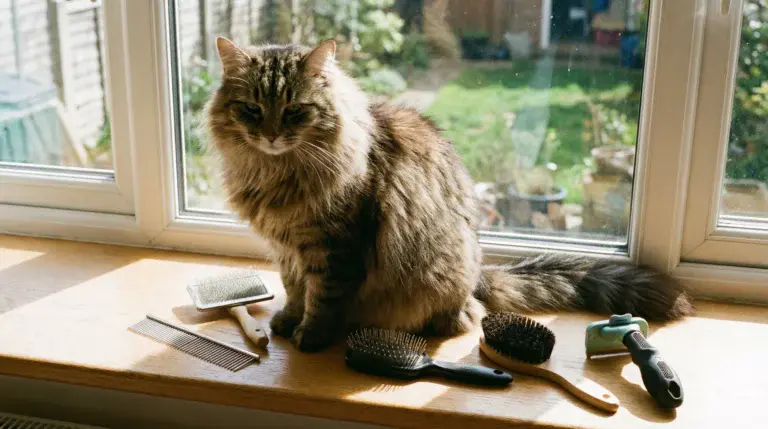
Every cat I know perks up (and decides how they feel) at the first sound or sight of the grooming kit. Pre-grooming cues set clear expectations, making the whole experience a lot less stressful. Pick a specific spot, use the same towel, and start the session the same way each time. Something as simple as a routine phrase (“brush time”), the sound of your chosen comb being placed gently beside us, or unfolding that beloved towel can help us know what’s coming.
It’s less about how long you spend and more about the sequence and consistency. A minute or two of calm prep, done the same way, teaches your cat to trust the flow. Over time, these cues start feeling like routine background noise rather than scary surprises. If your cat is motivated by treats, you can give a tiny reward before you even start, so they begin to associate grooming cues with a small, positive snack. For especially nervous cats, consistently pairing gentle petting or soft talking before grooming can work wonders in helping them feel safe.
Step 4: Gentle Energy Release Before Grooming
Most cats need some mild activity before sitting down for a grooming session. A quick, structured play session (think five minutes of gentle feather chasing or tossing a jingly ball) can help take the edge off without ramping us up too much. Just don’t overdo it! The goal is a content, slightly tired cat, not one who’s panting or on high alert.
If your cat gets wild eyed or starts darting under the furniture, dial the play back next time. Being tired isn’t the same as being overwhelmed. The key is burning off just enough energy so your cat is more open to handling but not so much that they get jumpy or irritable. Sometimes even a simple game of “hunt the treat” or letting your cat climb up and down their favorite cat tree can help settle that extra energy. Remember, every cat has their own preferred pre-groom activity, so experiment and see what works best.
Step 5: Introduce Calming Support (If Needed)
For some anxious cats, routines help a lot but aren’t always enough on their own. That’s where gentle calming aids can play a supporting role. Feline pheromone diffusers or sprays, available at most pet stores, send out chemical messages that tell cats like me everything’s cool. Some cats do well with calming treats (given about 30 minutes before grooming), or you could try special relaxation music for pets. Pet-safe herbal sprays like valerian or chamomile might be worth a shot, but check with your vet first.
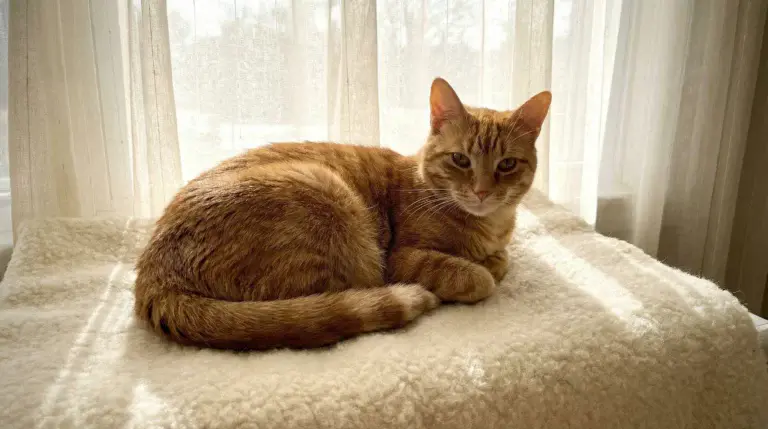
Treat these as add-ons, not a complete solution. Not every calming aid works for every cat, which is why I tested and broke down the most cat-friendly options here: Best Calming Aids for Cats During Grooming. In some cases, simply cuddling or quietly brushing while your cat sits in their favorite safe spot—like a window perch or soft basket—can provide enough extra comfort to take the edge off.
Quick Pre-Grooming Routine Checklist
- Same room, same blanket
- Calm energy (after nap or meal)
- Predictable cue (phrase, towel, tool sound)
- Optional calming aid if needed
- Session kept short and positive
If you follow this setup consistently, your cat will start recognizing grooming as a predictable, low-stress routine rather than a surprise event.
Step 6: Start Grooming Slowly, and Stop Early
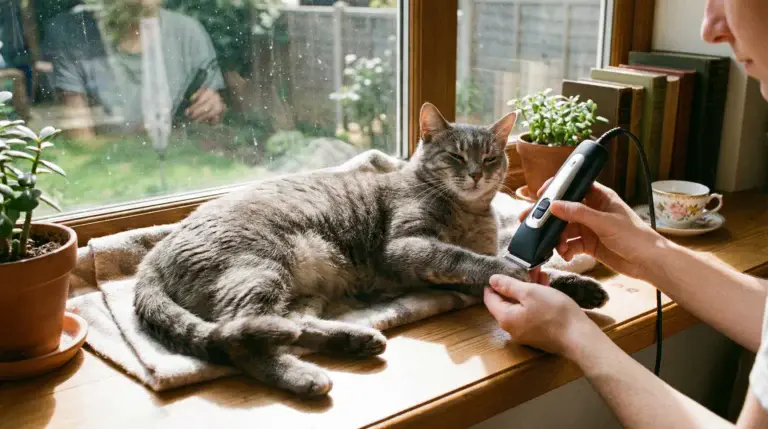
When it’s finally time to groom, start short and keep things mellow. For very anxious cats, a one-minute session is usually enough. Watch for early signs of stress, like tail twitching, skin rippling, flattened ears, or rapid breathing. At the first sign, call it good and reward your cat with a treat or affection.
Stopping before things spiral tells your cat that you’re listening. Even if you don’t finish the whole job, ending on a mellow note builds long-term trust. Next time, your cat will remember that grooming means short, non-scary sessions, not a drawn-out ordeal. It’s often better to have several super short, positive sessions throughout the week than one long, stressful one. Over time, positive associations can stack up, making each session easier. Watch for signs that your cat is relaxed, like slow blinks or gentle purring. These are your signals that things are going well—make a note of what helps and repeat next time!
Common Mistakes That Ruin a Pre-Grooming Routine
- Rushing the process: Skipping steps or moving too fast upsets cats who need time to feel secure.
- Grooming only when mats appear: Waiting until your cat is already uncomfortable or matted means extra stress and more resistance.
- Ignoring subtle stress cues: Missing out on early warning signs (like lip licking or tail flicks) can turn a mild fuss into a full-blown meltdown.
- Changing locations constantly: New spots make cats alert and suspicious, so stick with what works.
- Trying to “push through” because it worked once: Cats don’t generalize confidence the way humans do; yesterday’s success doesn’t guarantee today’s comfort.
How Long It Takes to See Improvement
Progress looks different for every cat. Some cats start warming up after just a few calm sessions, while others take weeks to fully relax. It’s not always a straight and steady path; one day might be easy, the next a total miss. Celebrate any small win—one minute of peace, one less swat, or your cat choosing to stay nearby instead of running for cover.
Building a predictable and relaxed pre-grooming routine pays off, but patience is key. If you stick with it, you’ll see a difference even in nervous cats over time. In some cases, you might find that your cat grows braver around grooming tools and even starts to look forward to the routine. Don’t be discouraged if there are setbacks. Stay consistent, and remember, your cat is watching everything you do and building trust with each session.
Frequently Asked Questions About Pre-Grooming Routines for Cats
How long should a pre-grooming routine take?
A pre-grooming routine doesn’t need to be long. For most cats, 5–10 minutes is enough to help them relax and feel prepared. This can include settling into a familiar space, gentle petting, and any calming cues you normally use. For very anxious cats, even 2–3 minutes of predictable prep can make a noticeable difference.
Can I skip grooming if my cat is anxious?
If your cat is extremely anxious, it’s okay to pause grooming temporarily, but skipping it altogether can make future sessions harder. Instead, focus on very short, low-pressure sessions that end early and positively. Building tolerance slowly helps your cat learn that grooming doesn’t have to be overwhelming.
Should I use calming treats or pheromones every time I groom my cat?
Not always. Calming aids work best as support tools, not requirements. Some cats only need them during high-stress grooming tasks, like nail trims or detangling mats. Over time, a consistent pre-grooming routine may reduce or eliminate the need for calming products altogether.
What are early signs that my cat is getting stressed during grooming?
Early stress signs include tail flicking, tense muscles, skin rippling, flattened ears, dilated pupils, or sudden stillness. These signals often appear before hissing or swatting. Stopping early when you notice these signs helps prevent grooming from becoming a negative experience.
Is it better to groom anxious cats more often or less often?
For anxious cats, short and frequent grooming sessions are usually better than long, infrequent ones. Even one or two minutes at a time helps build positive associations without overwhelming your cat. Consistency matters more than duration.
When should I get professional help for grooming anxiety?
If your cat shows severe panic, aggression, or signs of pain during grooming—such as yowling, biting, or guarding certain areas—it’s best to consult your veterinarian or a professional groomer. Medical issues like arthritis, dental pain, or skin conditions can make grooming especially uncomfortable.
When to Adjust or Get Professional Help
If your pre-grooming routine doesn’t seem to make any dent in your cat’s anxiety, or things get worse, it’s a good idea to check in with your vet or a professional groomer. Yowling, shielding paws, or signs of pain might point to hidden medical issues like arthritis, dental pain, or skin infections. Sometimes a pro can help you adjust your technique for extra sensitive cats, too.
For more, you might find it useful to read about Why Cats Get Aggressive During Grooming.
Getting pre-grooming routines right really does make grooming less stressful for both cats and humans. Consistency and patience go a long way, and over time, you’ll build the kind of trust that turns grooming from a dreaded task into something almost enjoyable. Your cat will thank you in their own quiet way, maybe a purr or just less of a fuss next time the brush appears. Building a strong pre-grooming foundation isn’t just about neat fur—it’s about growing a better connection between you and your cat, session by session.
Start with just one predictable step—same room, same towel, same cue—and build from there.