
If you’ve ever watched a cat carefully choose between snacks, you know that picking out cat food can easily turn into a big decision. As Thompson, a cat with lots of eating experience, I’m here to walk you through everything I’ve learned about how to pick cat food that tastes good, keeps whiskers twitchy, and supports a happy, healthy kitty life.
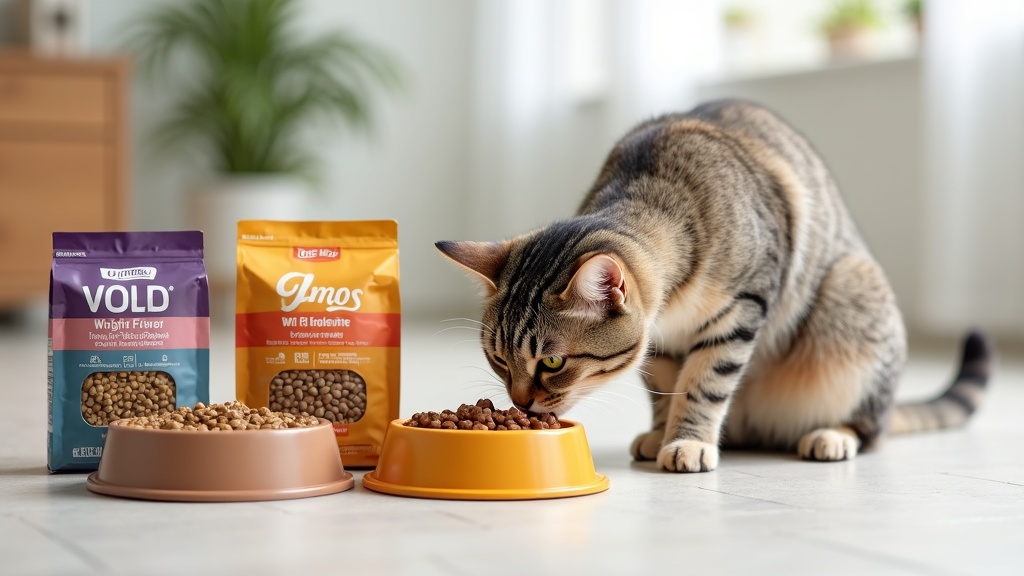
Understanding What Cats Really Need in Their Food
Cats aren’t just small fuzzy people. We have special nutritional needs that let us stay energetic, playful, and ready to curl up for long naps. Getting a sense of what your own feline friend needs can make a world of difference when it comes to meals.
Cats are obligate carnivores, which means our bodies work best when we get most of our nutrition from animal proteins. Unlike dogs, we can’t thrive on vegetarian diets. Getting enough protein, moderate fat, and specific nutrients like taurine and vitamin A keeps us sharp and healthy.
Pet food shelves today offer all sorts of options, from basic kibble to highprotein pouches and frozen foods. The cat food industry has grown fast, with many brands mixing up recipes to fit modern cats’ lives. Staying informed about what’s in your cat’s bowl is just as important now as ever.
Cat Food Basics: Wet, Dry, and Everything in Between
The most common types of cat food today are dry (kibble) and wet (canned) foods. Each has its own perks, and there’s no single answer to which is best; sometimes a combination works out pretty well for both taste and nutrition.
- Dry Food (Kibble): Kibble is easy to store, lasts longer after you open it, and is convenient for freefeeding. Some cats like the crunchy texture, and certain formulas help with dental health.
- Wet Food (Canned or Pouches): Wet food usually contains more moisture, which helps cats stay hydrated. This is super important since some cats don’t drink enough water. Wet food can also appeal to picky eaters and comes in all sorts of flavors and gravy options.
Some brands make semi-moist foods, freeze-dried bits, or even fresh cooked cat food, but dry and wet options are the most common. Whether you stick to one or mix them up, understanding the perks of each makes mealtime easier to handle.
How to Read a Cat Food Label Without Getting Confused
Figuring out a pet food label feels a bit like solving a puzzle, but I’ve picked up some tricks along the way. Here’s how I size up what’s really inside that bag or can:
- Ingredients List: Ingredients are listed by weight, with the first few carrying the most weight in the recipe. Look for animal protein sources like chicken, turkey, salmon, or beef at the top; they should be the main event for a reason.
- Guaranteed Analysis: This panel tells you about crude protein, fat, fiber, and moisture. Higher protein (over 30% for dry or 8% for wet) works well for most adult cats. Fat is good too, as long as there’s a balance and not too much.
- Nutritional Adequacy Statement: This bit confirms the food was cooked up to meet AAFCO (Association of American Feed Control Officials) nutritional standards. Always check that a recipe claims it’s “complete and balanced” for the specific life stage like cat/kitten/adult.
- Special Additions: Watch for taurine (a crucial amino acid), omega3s (for skin and coat), and added vitamins and minerals. These add up for kitty health and well being.
Packaging may also point out “grainfree,” “indoor formula,” or “digestive health.” These catchphrases mean different things depending on what your cat needs most.
Choosing Cat Food for Specific Needs and Life Stages
Cats aren’t all the same, and our needs aren’t either. The food that suits a lively kitten isn’t always what keeps a senior cat feeling great. Here’s how I break it down:
- Kittens: Go for food labeled for kittens or “all life stages.” These options are packed with calories, protein, and the nutrients that support fast growth.
- Adult Cats: Grown-up formulas are balanced for maintenance. Calorie intake matters, especially for indoor cats that might not exercise enough. Lower calorie foods can help prevent unwanted weight gain.
- Senior Cats: Senior blends usually have extra support for joints, fewer calories, and easier to digest proteins. Older cats may like wetter foods since they’re softer and help keep hydration in check.
- Special Health Conditions: If your cat deals with kidney disease, food allergies, sensitive stomach, hairballs, or urinary troubles, there are foods designed for these cases. Asking a vet is always a good move if you’re stuck.
Life stage and health issues both play a role in what should be in your cat’s bowl. I like to keep an eye on my own energy, weight, and overall mood; if anything seems off, a food switch might help.
Steps to Picking the Best Cat Food For Your Feline Friend
- Check for Quality Animal Proteins: The first ingredient should be real meat or fish. Meals (like chicken meal) are fine since they’re concentrated protein sources. Skip foods where the first ingredient is corn or wheat.
- Think About Your Cat’s Age and Activity: Kittens, adults, and seniors all thrive with foods made for their energy level. Couch potato cats usually need fewer calories than adventurous outdoor types.
- Consider Wet vs. Dry (or Both): Some cats do best on a mix. Wet food helps hydration, and dry can be great for dental health or grazing. I like a tasty mix myself! Check out my article, “Guide To Wet And Dry Cat Food”, for more info.
- Look for “Complete and Balanced” on the Label: This phrase guarantees the food meets nutrition guidelines for your cat’s life stage.
- Watch Out for Fillers and Artificial Stuff: Fewer artificial colors, flavors, and chemical preservatives is the way to go. Real food and recognizable ingredients help avoid surprises.
- Track Your Cat’s Health and Preferences: Your cat should have a shiny coat, bright eyes, steady weight, and good litter box habits on the food you choose. If something’s off, a slow move to a new recipe could fix things up.
Trying new foods takes a little patience, and most cats need time to get used to a switch. Slowly mixing in new food over one to two weeks helps prevent upset stomachs.
Things to Know Before You Start Shopping
The cat food aisle can feel overwhelming with endless choices and loads of marketing noise. Here’s what I notice when making a pick:
- Brand Reputation: I stick to brands with a solid track record, good reviews, and clear ingredient sourcing. Brand websites often share their process, testing, and food guidelines.
- Price vs. Value: Pricier foods usually mean more meat and less filler, allowing smaller servings for the same nutrition. Cheaper options can be fine, but always check the label, not just the price tag.
- Country of Origin: Foods made in the USA, Canada, or Western Europe usually have strong safety standards. You can sometimes find this info on the brand’s site if you want to double check.
- Recalls and Safety: Brands with few recalls and open communication about issues are worth sticking with. Checking the FDA’s recall list can help you sleep better at night.
Wet and Dry: Can I Give Both?
A lot of cats enjoy a schedule with wet and dry foods. I love the crunch of kibble alongside juicy morsels from a can. Mixing types adds variety, keeps picky eaters interested, and boosts hydration for cats that aren’t big drinkers. This combo also helps if your budget changes since you can adjust the ratio when needed.
Ingredient Alerts: What to Avoid
Ingredients like propylene glycol, BHA and BHT, meat byproducts (unless the manufacturer explains them well), fake colors, or too much corn and wheat can turn up in budget foods. Choosing recipes with real meat, good fats, and added nutrients always works out better for overall energy. Allergies or food intolerances happen, too—itchy skin, ear trouble, or stomach issues can sometimes be traced to ingredients.
Advanced Tips to Make Cat Feeding Easier
How you serve food matters as much as what’s in the bowl. Here’s what I swear by:
- Feed Regular Meals: Scheduled meals instead of all day grazing help track appetite and catch changes in weight early.
- Keep Dishes Clean: Cats can be really choosy about clean dishes! Smells stick to dirty bowls, making us turn away from nice meals. Wash bowls daily—ceramic or stainless steel are top choices.
- Storage Smarts: Store kibble in airtight containers so it stays fresh. Wet food needs the fridge after you open it and should be used up within a day or two.
- Introduce Changes Slowly: Gradual changes from one food to another avoid stomach issues. Mix in a touch more new food each day while reducing the old food.
Keeping an eye on litter box habits, coat shine, and your cat’s energy gives you clues about whether your food picks are right.
Frequently Asked Questions
I get loads of questions. Here are the ones I see most often:
Question: Should I pick grain-free cat food?
Answer: Not every cat needs grainfree food. Some cats do fine on it, especially with allergies or sensitive bellies. Always talk to a vet if you’re not sure.
Question: How often should I switch my cat’s food?
Answer: If your cat is healthy and happy, no need to switch foods unless you feel like it or your vet suggests it.
Question: Are raw diets safe?
Answer: Some cats do well on raw diets, but there are a lot of factors to weigh. Raw food must be stored and prepped carefully to avoid bacteria. Ask your vet first if you’re considering it.
Final Thoughts from Thompson
Picking cat food means finding the right mix of flavor, nutrition, convenience, and what keeps your cat full of energy. Paying attention to what your cat likes, reading labels closely, and checking with your vet helps every cat find a food that works. Happy eating brings more purrs, more play, and the best cat life possible.