How To Calm An Aggressive Cat During Grooming
If you spot me, Thompson the cat, swatting at a brush or hissing during grooming time, trust me—I’m not just being a cranky kitty. Most of the time, it’s flat-out panic or way more stress than you might think. Aggressive reactions during grooming usually have deeper causes, and understanding why cats get aggressive during grooming can make calming techniques much more effective. Grooming can get my fur all ruffled (literally and figuratively). I want you to know that calming an aggressive cat like me during grooming takes some patience and a few smart tricks. Here’s my guide to making grooming feel a little less scary for us cats and keeping all your fingers scratch-free.
Spotting Cat Behavior Before Aggression Escalates
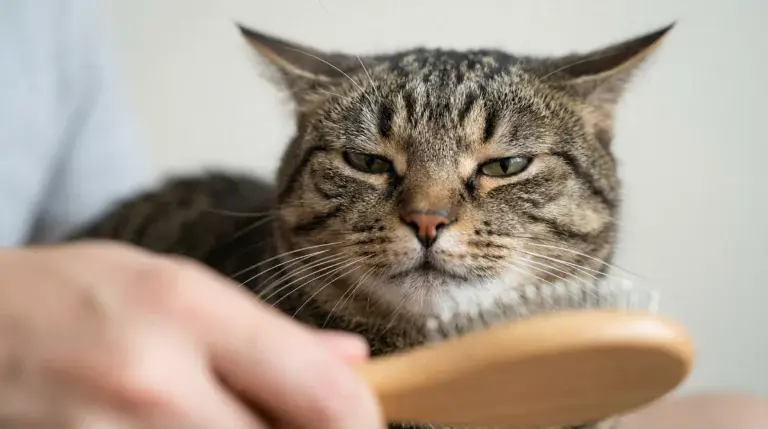
Cats like me don’t just lash out because we feel like it. The signs are there, if you know what to look for. You’ll probably see some signals before I reach the point of swatting or yowling. My tail might flick or thump, my ears may pin back, pupils can go huge, and if you hear a deep growl, that’s definitely a warning. Stretching my paw toward the brush? That’s usually a sign I need a break. If you miss these clues, things can get scratchy fast, so noticing them early helps everyone.
Because grooming can trigger both anxiety and sensory overload, learning how to tell cat anxiety from overstimulation can help you pause at the right time and prevent aggressive reactions.
In addition to reading body language, using vet-approved calming aids for grooming-related stress can help lower anxiety before aggression kicks in.
Some cats will freeze or crouch to make themselves smaller, hoping the scary brush will go away. Others (yep, like me sometimes) will whip into defense mode, swatting, biting, and running. Understanding these cues gives you a chance to pause before things get wild.
Slow and Gentle: Introducing Grooming Tools
Bringing out a slicker brush or nail clippers fast can make me nervous, especially if I’ve had bad grooming experiences. A slow introduction helps build trust. You can start by letting me sniff or check out the brush without using it. Set it on the floor and let me approach at my own pace, or gently tap me with it while giving me some head scratches. Don’t try jamming through the whole grooming routine all at once; short, calm sessions work way better.
Getting me used to the brush in neutral situations (like during a treat break or after a nap) untangles some of that stress. The less surprised I am by the tools, the less dramatic I’ll be when you actually start brushing or trimming.
Positive Reinforcement: Treats and Praise
Every time you make grooming a little more enjoyable, I’m more likely to chill out the next time. That’s where treats and positive reinforcement come in. If you hand out a chunk of freeze-dried chicken or my favorite lickable treat while gently brushing or combing, I’ll start associating the brush with good things instead of freak-outs.
Treats aren’t the only reward. You can say soothing words, give me chin rubs, or take a short play break between brush sessions. A lot of us cats will soak up the attention if it’s spaced out right. Just be careful not to overwhelm me; tiny rewards for tiny bits of good behavior add up over time.
Low Stress Grooming Tools to Make It Easier
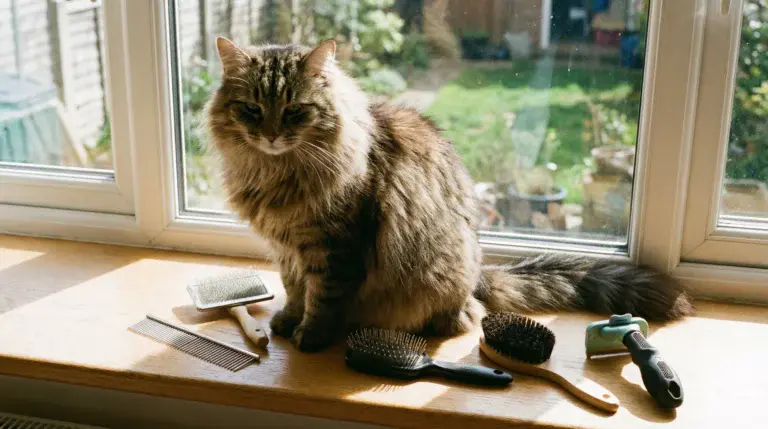
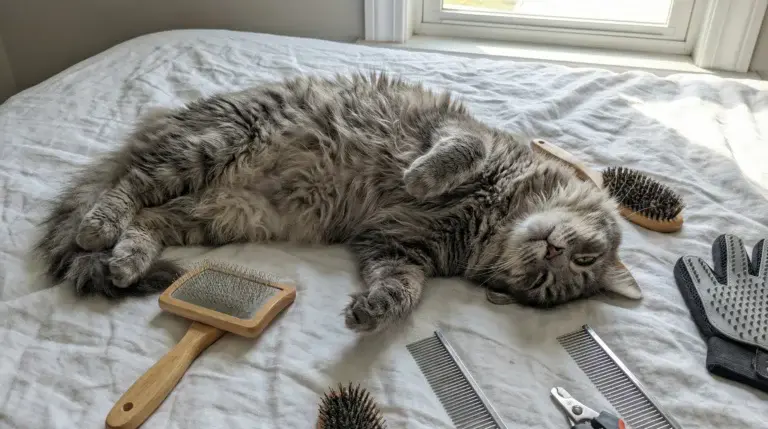
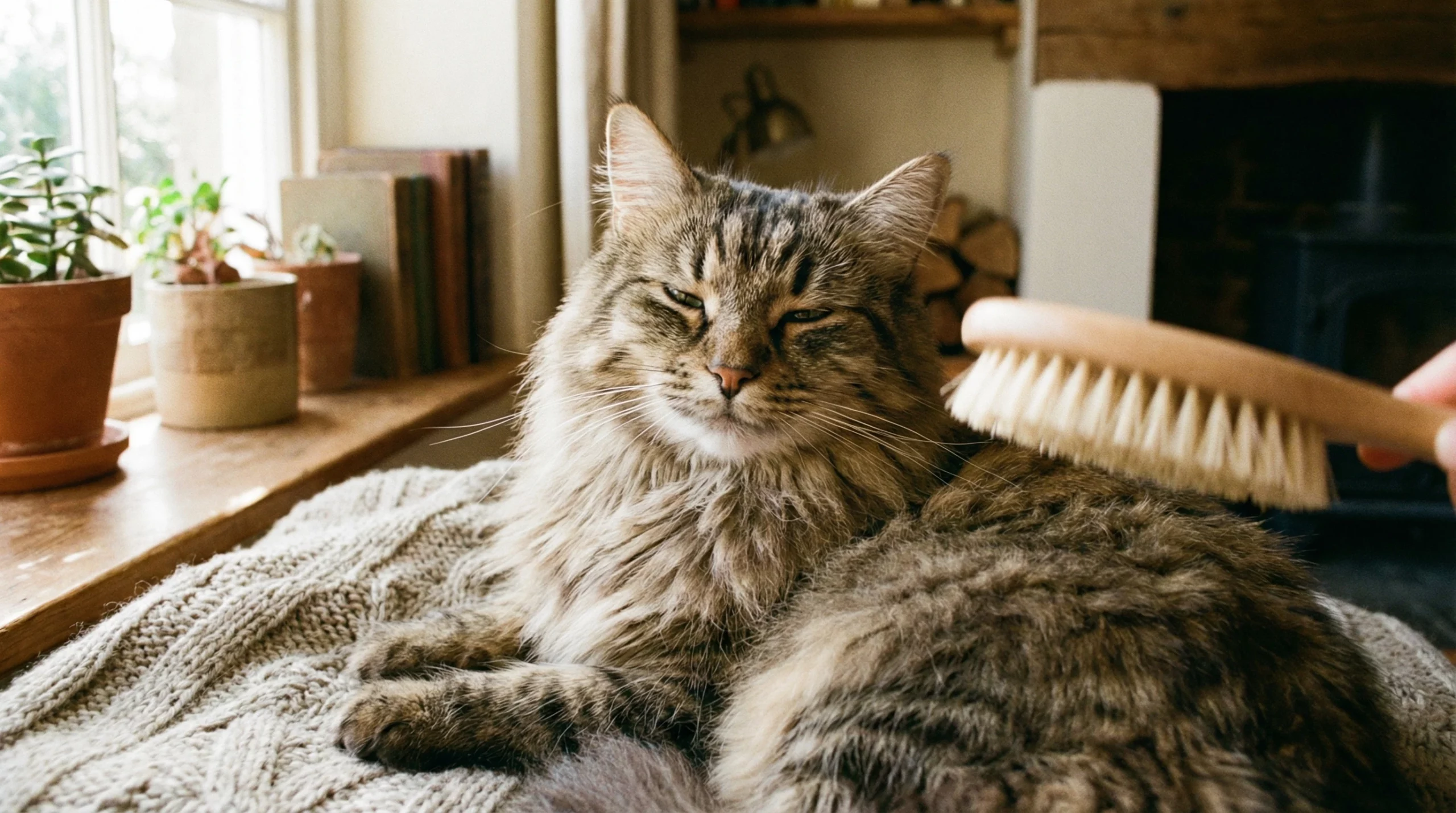
I’ve seen some brushes that feel like torture devices, but there are some genuinely gentle options out there. Rubber grooming mitts, super soft bristle brushes, widetooth combs; these work better for nervous or aggressive cats like me. Some cats prefer being brushed with a grooming glove, which just feels like you’re petting us with your hand (sneaky but effective).
If you’re trying to trim my nails, use sharp, cat-specific clippers. Blunt edges pinch and hurt. For mats, try a dematting comb or scissors with rounded tips, but NEVER pull hard or go too quickly. (For a more complete guide on cat mats, see my article, “Cat Mat Prevention Techniques: How To Keep Your Cat’s Coat Smooth And Tangle-Free”) Slow grooming with tools that don’t tug or scratch can keep both of us calmer.
Choosing the Right Spot and Setting the Mood
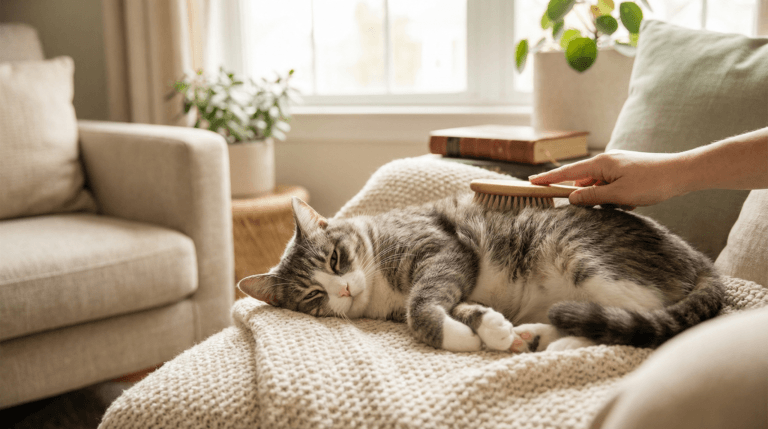
The environment makes a big difference. Pick a quiet spot without sudden noises. Background music at a low volume or a softly ticking clock can mask scary household sounds. Sit with me on a non-23slip surface like a bed or large towel, so I feel safer. Dim lights or a cozy space (like a small bathroom) can help me feel less exposed and less like I’m being “trapped.”
What To Do If Aggression Happens
If I start hissing, growling, or swatting, the best thing to do is stop right away. Even a minute or two to regroup can help me reset. Never yell or punish; this just tells me grooming is even more dangerous. Take a breather, give me treats, or play with me before trying again later. Over time, I’ll (hopefully) realize you’re not out to get me with those brushes.
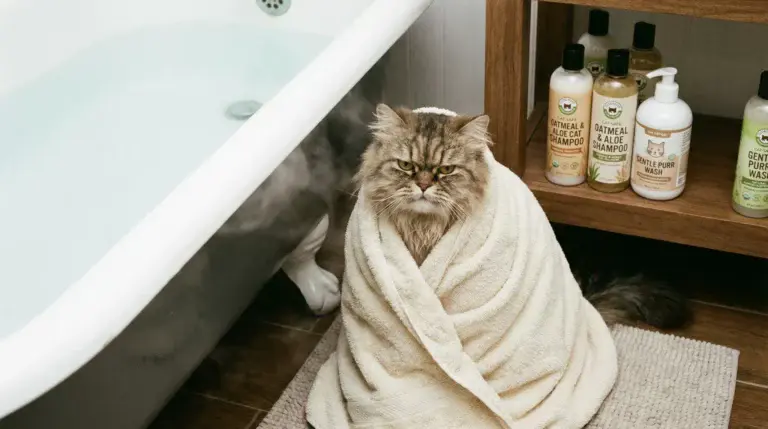
If things get way too intense, and nobody is safe, using a towel wrap (cat burrito style) can prevent scratches and bites during urgent things like nail trims. This is a last resort move, though. Towel wraps need practice and a gentle hand so I don’t get more scared.
Extra Tips for Calming Aggressive Cats During Grooming
- Schedule short sessions: Two-minute brushing sessions every few days are less overwhelming than a half hour dramatic marathon.
- Keep up with grooming often: Mats and tangles make the job more stressful, so quick, regular checks can stop problems before they start.
- Avoid scented sprays and products: Strong smells freak us out. Stick with unscented wipes or minimal product, unless my vet says otherwise.
- Read my mood: If I’m playing or relaxing by myself, that’s not the best time to start brushing. After a meal or in a sleepy mood, you’re likely to get more cooperation from me.
- Feliway or calming sprays: A few spritzes of vet-approved calming pheromones can sometimes help, but I prefer treats and slow introductions.
When To Call a Professional
Sometimes, all the patience and treats in the world won’t get through to me if I genuinely hate being groomed or have an extreme history of bad experiences. If I regularly bite or escalate to full panic, it’s safer for both of us to get help from a professional cat groomer or a veterinarian. They have the know-how (and protective gloves) to handle spicy cats and can even suggest mild sedation if I absolutely need it for health reasons.
You should also get help if you spot skin problems, open wounds, or really stubborn mats near delicate spots like my armpits or face. Don’t feel bad; some cats just need a pro to keep things stress-free.
Common Cat Grooming Questions
There’s a lot of confusion out there, so here are some quick answers about grooming high-strung cats:
How often should I groom my aggressive cat?
Start with once a week and see how I tolerate it. Some long-haired cats need more frequent sessions, but keep them short so I don’t get overwhelmed.
Do calming treats work for grooming?
Some cats respond well to calming treats or pheromone products. Others ignore them completely. It’s worth trying both to see if I chill out.
Should you trim a cat’s nails at home if they’re aggressive?
If you can safely handle me, yes, but if things get scary, it’s always smart to have my nails trimmed by a professional groomer or vet.
Why does my cat act friendly until the grooming starts?
A lot of us purr or rub before grooming but then panic when things start. That’s why slow, positive introductions and short sessions make such a difference.
Wrapping Up: Making Grooming Less Stressful For Both of Us
When you understand why cats become aggressive during grooming, it gets a lot easier to help us calm down. Recognize our body language, go slow, reward us for even tiny wins, and use gentle tools. Sometimes a pro is the safest choice when things are too intense. With a bit of practice and patience, even cats with a feisty reputation (like me) can get through grooming without total chaos. Helping me chill out first is always better than trying to wrestle with a scared, stressed cat.
Building Long-Term Trust With Your Cat
Trust doesn’t happen overnight, especially for cats who have learned to expect the worst from grooming. Spend time with me outside of grooming; toss my favorite toy, or let me nap beside you, so I don’t always connect your hands with the scary brush. Over weeks and months, I’ll start to pick up little cues that mean good things, not just grooming. Even a few minutes of positive time each day helps grow trust and makes future grooming easier.
Talk to your neighbors or friends who have cats, too. You might pick up a new tip or two, or just feel better knowing you’re not the only one with a drama-prone feline. The better you get to know me, the less drama you’ll face when the brush comes out—and that’s great news for both of us!