
Guide to Wet and Dry Cat Food: Choosing the Right Option
I’m Thompson, your local feline expert and chow enthusiast. I spend a lot of time checking out what lands in my food bowl, and if you’re curious about whether wet or dry cat food is the right pick for your kitty, you’ve come to the perfect spot. Choosing between these options can shape a cat’s health, energy, coat condition, and even how often we purr at mealtime. This guide is organized to compare the basics, dig into practical details, and offer some tips from my own cozy living room adventures.
Wet and Dry Cat Food: What Makes Them Different?
Choosing food as a cat isn’t always simple. My humans like to mix things up sometimes, but wet food and dry food each bring unique ingredients and benefits. Figuring out what sets them apart can help you pick the best fit for your cat’s routine and needs.
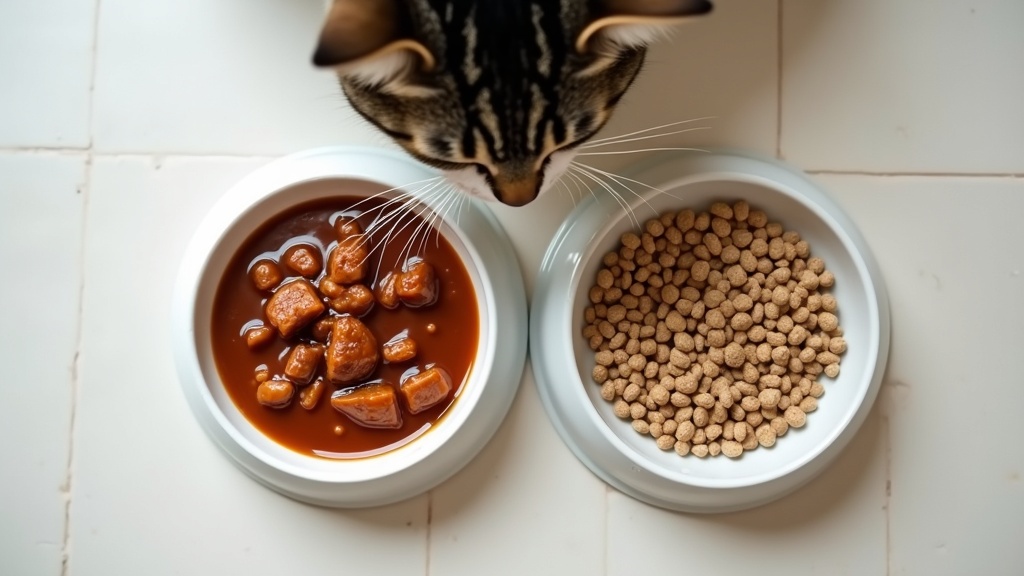
Wet (canned) food boasts a high moisture content, usually around 75 to 80 percent. It is available in tins, pouches, or trays and smells pretty irresistible if you ask me. Dry food, in contrast, is crunchy with a much lower moisture content, typically just 8 to 10 percent. Dry food comes in bags and can stay out for ages without spoiling.
Both types typically deliver complete nutrition, but their textures, water levels, convenience, and costs are different enough to make a real difference in your cat’s daily life.
Choosing Between Wet and Dry Cat Food
Your kitty’s age, activity, and personal quirks can influence which style of food works best. Here’s what I’ve picked up from my snack-filled naps and regular vet visits:
- Hydration: Wet food helps keep us hydrated, so it’s a great choice if you don’t see your cat visiting the water bowl that often.
- Dental Health: Dry food provides a little scrubbing action for our teeth, which is handy if your cat avoids toothbrushes.
- Weight Management: Dry food is more calorie dense, meaning the portions should be watched, especially if your cat is trying to keep a slim figure.
- Convenience and Storage: Dry kibble is easy to measure out and store for long stretches. Wet food needs to be eaten quickly or stored in the fridge to keep it fresh.
Personally, I grew up on a mix of both, so having both options in my bowl often feels just right!
Pros and Cons: Wet Food vs. Dry Food
Each type of food packs its own benefits and drawbacks. Here’s my quick list from a cat’s-eye view:
- Wet Food Pros:
- Tastes great to most cats
- Extra moisture helps our kidneys and urinary health
- Much easier to chew for kittens or older cats with sensitive mouths
- Wet Food Cons:
- Costs a bit more per meal
- Doesn’t stay fresh for long if it’s left out
- Open cans or pouches mean more storage hassles and cleanup
- Dry Food Pros:
- Super easy to store and portion out
- Often cheaper per serving
- The crunch can help reduce plaque buildup
- Dry Food Cons:
- Contains much less moisture, so it is important to watch water intake
- Some cats may find it harder to chew, especially older cats
Getting Started with New Cat Food Choices
Switching up the food bowl routine takes some thoughtful planning. I’m definitely picky when my food changes out of the blue, and plenty of cats will snub new food at first. Here are some tips to help smooth the way:
- Introduce Slowly: Add a little new food to the current food over several days so your cat gets used to changes in flavor and texture.
- Keep Portions Balanced: Track how much your cat eats since calorie counts can differ between wet and dry foods.
- Watch for Tummy Issues: If your cat appears to get an upset stomach, slow down with the change and introduce smaller amounts of new food at a time.
Some kitties enjoy a rotation diet, blending both wet and dry food during the week. Personally, I like a bit of everything. Just make sure all foods meet AAFCO standards for complete nutrition so your friend gets the health boost they need—no empty calories here!
What to Check Before Buying Cat Food
With so many choices in the cat food aisle, picking the right food can feel overwhelming. Here’s how I help my humans make their decisions:
- Age Appropriateness: Kittens, adults, and seniors all have different needs, so get the food that’s labeled for your cat’s life stage.
- Ingredient List: Make sure real animal protein, like chicken or fish, is at the top of the list. Fewer fillers means better energy levels and a shinier coat.
- Brand Reputation: Trusted brands that follow AAFCO requirements and have proven safety records are the safest bet. You can check out more at aafco.org.
- Price and Budget: Balance cost and nutrition. Special treats can come around sometimes, but everyday food should keep your cat happy and thriving!
Hydration
Cats naturally don’t feel very thirsty. Wet food gives a real hydration boost and helps prevent issues like urinary crystals and kidney concerns. Even with a mostly dry food diet, I love having at least one cat fountain in the house to keep water interesting and fun. Check out my article “Increase Cat Water Intake” For more info.
Normal Meal Routines
I’m pretty vocal about my breakfast at 6am, but most cats do well with scheduled mealtimes—two or three meals spaced throughout the day. Free-feeding dry food is okay if your cat is a grazer, but check for extra pounds sneaking up over time. Managing portions is key to keeping your cat at a healthy weight.
Transitioning Between Wet and Dry
Some cats need to switch to wet food for health reasons, while others just enjoy something different once in a while. Changing the type, brand, or flavor of cat food should be done gradually. New scents or textures can bother some cats, so introducing new types of food slowly is the gold standard.
Mixing Wet and Dry: Is It Worth Doing?
Lately, many humans want to know if mixing wet and dry is a good idea. From my experience, it’s a solid way to boost water intake and add some much-loved variety to the menu. This combo can also entice picky eaters to get the nutrients and calories they need. Some folks mix them in one bowl, others serve dry food in the morning and wet food at night. Either way, it’s a surefire way to make dinner extra fun—and get those whiskers twitching.
Remember to watch the overall calorie count and adjust serving sizes so your cat doesn’t end up overfed. A chat with your vet or a cat nutritionist is a smart move if you want help balancing out your cat’s daily diet.
Top Tips and Tricks for Happy, Healthy Eating
After a lot of trial, error, and taste tests, here are my top tips for crafting a great meal routine:
- Serve wet food at room temperature—cold food usually isn’t appealing to most cats (myself included)
- Wash food and water bowls each day to keep them fresh, especially after feeding wet food
- Try using food puzzles or toys with dry kibble to keep our brains working and stretch out mealtime
- Pick shallow, wide bowls to keep our whiskers comfortable and avoid whisker fatigue
Patience, keeping an eye out for what works best, and a little flexibility will help you find the right formula for your own furry friend.
Frequently Asked Questions About Cat Food
Cats and humans alike have lots of questions about mealtime. These are the ones I hear the most:
Question: Can dry food alone meet all my nutrition needs?
Answer: Yes, as long as it is labeled as balanced and complete for your cat’s life stage. Always make sure plenty of fresh water is available.
Question: Is wet food better for older cats?
Answer: Yes, wet food is usually easier for seniors to chew and helps with hydration—both important as cats age. Just check that all the essential senior nutrients are there.
Question: How do I know if my cat is getting enough water?
Answer: If your cat mostly eats dry food, watch for regular trips to the water bowl, pale-yellow urine, and plenty of energy. Some cats love running water, so a fountain could help them drink more.
Wrapping Up: Picking the Right Food for Your Cat
Picking between wet and dry food comes down to what works best for your cat, your schedule, and your budget. Some need more hydration or special diets; others are happy with kibble and sunny napping spots. Mix and match if your cat likes both, pay attention to their health, and don’t hesitate to ask your vet if you spot anything out of the ordinary. And, of course, I’m always ready to sample a new bowl if you ever want another opinion!