Feeding Anxiety In Cats: Why Mealtime Causes Stress In Cats
Mealtime is supposed to be one of the highlights of my day. If you notice your cat acting odd, anxious, or even a little grumpy around the food bowl, you’re definitely not alone. Many humans worry they’re doing something wrong, but feeding stress often has nothing to do with bad intentions. Sometimes, feeding just gets stressful for us felines.
What Is Feeding Anxiety in Cats?
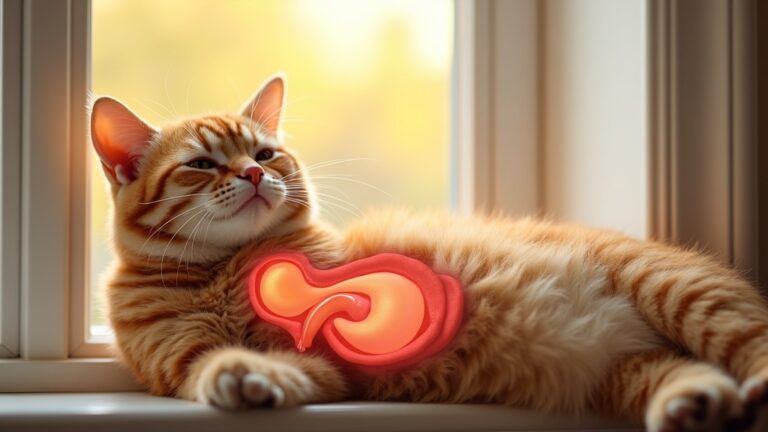
Feeding anxiety in cats is stress or unease linked to food, feeding routines, or the environment around mealtime—not the food itself. Instead of feeling calm or excited about eating, a cat may feel tense, rushed, or unsure when food is involved.
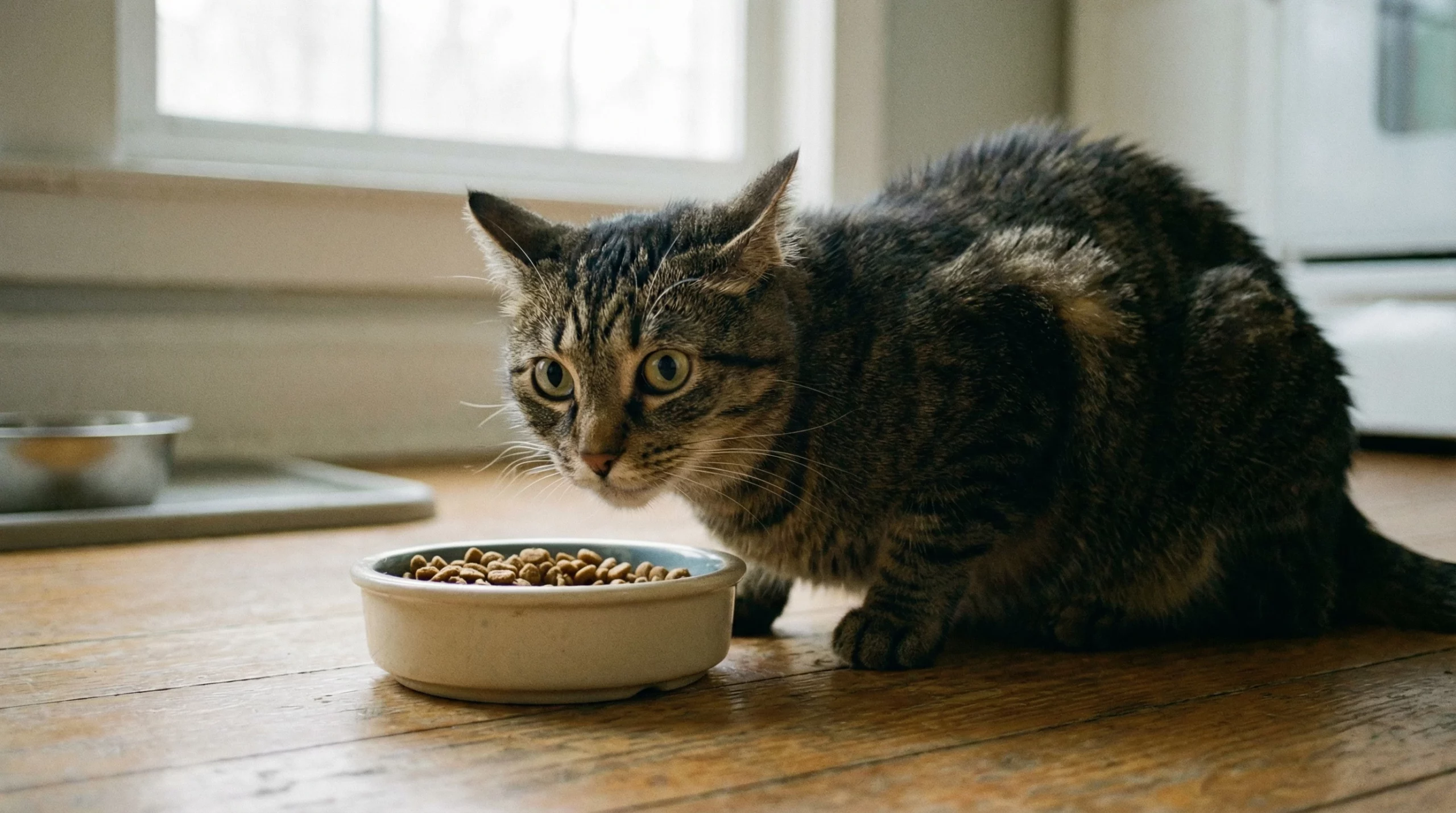
I’ve seen cats get so wound up by the thought of eating that they either speed-gobble their entire meal or refuse a bite. Some feel the need to guard their food bowl, while others act nervous just watching a human prepare their dinner. While many cats look forward to food, some of us find mealtime just as stressful as a trip to the vet.
In simple terms, feeding anxiety happens when the anticipation of food causes worry instead of comfort. If your cat consistently reacts this way, it’s a sign their relationship with food has been shaped by uncertainty, past stress, or an environment that doesn’t feel fully safe—even if nothing about the food itself has changed.
What Feeding Anxiety in Cats Looks Like
Because humans can’t read cat minds (unfortunate, I know), it helps to recognize the behaviors that often show up when food feels stressful instead of comforting. Feeding anxiety can look different from cat to cat, but these signs tend to pop up again and again:
- Pacing or vocalizing before meals: Meowing, circling the kitchen, pacing, or becoming unusually clingy as mealtime approaches.
- Eating too fast or refusing food: Some cats inhale their meals in seconds, while others back away from the bowl or leave food untouched.
- Bowl guarding or defensive behavior: Growling, swatting, blocking access to the bowl, or giving serious stink-eye to anyone who gets too close.
- Hiding at mealtime: Choosing to disappear under the bed, couch, or into another room instead of eating.
- Vomiting or regurgitating after eating: Stress can lead to rushed eating, which often results in an upset stomach.
These behaviors can look medical at first, but they’re often rooted in stress or anxiety, especially if your vet has ruled out health issues. Feeding anxiety is blame-free, and it’s much easier to help once you recognize the signs.
Sometimes these behaviors start subtly. A cat may begin by watching nervously when other pets approach the feeding area, then progress to skipping meals or eating only when the house is quiet. Paying attention to small changes in routine or new habits around food can offer important clues about what’s making mealtime feel unsafe.
Quick Signs Your Cat’s Mealtime Stress Is Anxiety (Not Just Hunger)
- Your cat seems tense or fearful before and after eating
- Eating behavior changes depending on noise, people, or other pets
- Your cat eats too fast, skips meals, or guards the bowl
- Stress behaviors continue even when food is available
- Your cat avoids the feeding area unless the house is quiet
Cats who are simply hungry usually relax after eating. Cats with feeding anxiety often stay on edge because the stress is tied to the feeding experience itself.
Why Mealtime Triggers Anxiety in Cats
Cats are hardwired for routine and survival. The wild side of me still sees food as serious business. If anything about mealtime feels unsafe or unpredictable, it immediately puts me on edge. Here’s why:
- Cats are routine-driven hunters: We expect food to appear at the same time and in the same place every day.
- Inconsistent feeding times raise anxiety: If breakfast is at 7 a.m. one day and noon the next, my whiskers go on high alert.
- Eating makes cats feel vulnerable: When we’re focused on food, we’re less aware of our surroundings, so anything unfamiliar or chaotic feels risky.
Think of it this way: for cats, every meal is proof that our environment is stable and our needs will be met. When that predictability changes—new schedules, new pets, or unfamiliar activity—the calm we expect from mealtime can turn into tension instead.
Common Causes of Feeding Anxiety
Environmental Triggers
- Loud kitchens: Clattering pans or noisy appliances can make a cat nervous to eat.
- Busy households: Lots of foot traffic or running kids distract us from eating peacefully.
- Feeding near other pets: Dogs or other cats crowding the bowl can feel threatening.
Social & Behavioral Triggers
- Competition in multicat homes: Some cats feel like they need to race or guard food.
- Past food scarcity (rescues, strays): If a cat ever missed meals, they might worry food will vanish now, too.
- Learned anxiety from rushed routines: When humans hurry us or hover, we learn to feel tense around the bowl.
Human-Caused Triggers (Unintentional, But Common)
- Changing feeding times often: Irregular meals make us feel lost and worried.
- Hovering or watching too closely: I’d rather eat without an audience, thank you very much.
- Picking up bowls midmeal: Taking my bowl away before I’m finished makes me anxious.
For especially sensitive cats, small details like a new scent in the kitchen or the sound of new appliances can set off worry during meals. Tracking down the cause means thinking and watching for connections between what you change in the home and your cat’s feeding behavior.
Feeding Anxiety vs Food Motivation
It’s easy to confuse feeding anxiety with a cat who’s simply obsessed with food. “My cat is always screaming for food!” often means hunger or excitement, not stress. But there’s a key difference between a cat who loves food and one who feels overwhelmed by it.
Signs of hunger or excitement around food
- Alert ears and relaxed posture
- Tail held up or gently moving
- Happy or demanding meows
- Calm behavior after eating
Signs of feeding anxiety
- Wide eyes and tense body language
- Vocalizing out of panic rather than excitement
- Eating in frantic bursts or avoiding food entirely
- Restlessness or stress that continues even after the bowl is empty
Food-motivated cats usually relax, groom, or nap once they’ve eaten. Cats with feeding anxiety often stay on edge before and after meals, because the stress is tied to the feeding experience itself—not hunger.
If you want a deeper breakdown of how anxiety differs from overstimulation in cats, Cat Anxiety vs Overstimulation: How to Tell the Difference explains the signs in more detail.
Keep in mind, a cat with high food motivation won’t show ongoing stress behaviors between meals—they’ll usually nap or groom after eating. But with feeding anxiety, tension lingers even outside of mealtimes. Watch for changes in routine or mood that center around feeding.
How Routine Reduces Feeding Anxiety
A reliable routine is the best thing you can do for a stressed cat belly. Here’s how cats like me benefit from a smooth, regular feeding schedule:
- Consistent times: Meals happen at predictable intervals, no guesswork.
- Same feeding location: My bowl never “moves,” so I can relax while I munch.
- Predictable sequence: Human preps food, bowl goes down, everyone leaves me be for a few minutes of peace.
Keeping things steady helps soothe nerves and reset my instincts to feel safe and calm. Routines make the world feel predictable and reassure anxious cats that their needs will be reliably met, no matter what craziness is happening elsewhere in the house. This predictability can also help cats with a history of food scarcity gradually gain confidence around eating times.
Feeding Setup Tips for Anxious Cats
There are a few practical changes you can make for a cat who struggles at mealtime:
- Quiet, lowtraffic areas: Away from the hubbub of kitchens, hallways, or play zones.
- Separate feeding stations: Each cat gets their own spot (even in different rooms if possible), which cuts down on food guarding and racing behavior.
- Elevated or enclosed spots: Raised feeders or “hidey” feeding stations make cats feel less vulnerable while eating.
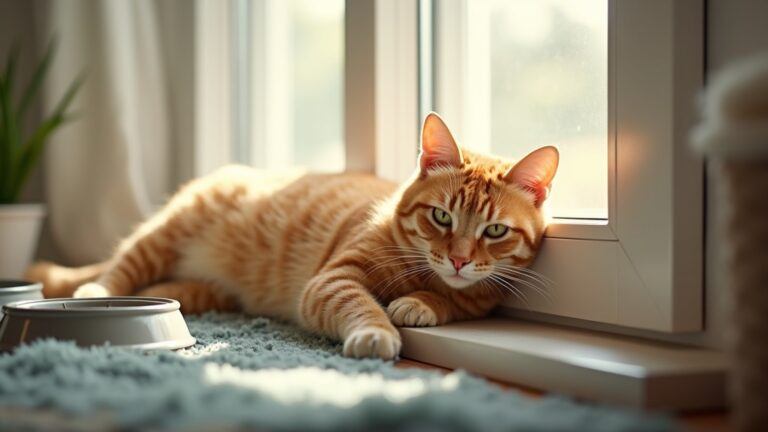
Trying out different spots or feeder styles may take some trial and error, but most cats find relief with just a few changes to their environment. Consider soft lighting and a spillmat under the bowl for sensitive cats. You might also try putting the bowl near a window so your cat can watch the world go by while eating, turning mealtime into a calm, positive event.
When Feeding Anxiety Leads to Other Problems
Unchecked, feeding anxiety can cause bigger issues than just a grumpy prebreakfast mood.
- Aggression toward people or pets: Bowlguarding cats might swat at hands or chase away housemates.
- Overeating or food refusal: Some cats eat too much when anxious, while others skip meals altogether.
- Digestive upset: Eating fast can mean regurgitation or vomiting, which isn’t much fun for anyone.
- Weight fluctuations: Anxious eaters sometimes lose or gain weight in ways that don’t match their actual food intake.
If your cat starts displaying any of these behaviors, it’s important to monitor their overall health as well as their relationship with food. Regular weighins at home and keeping a log of their eating habits can help track changes early—and your vet will appreciate this extra info if you check in with concerns.
When to Rule Out Medical Issues
Sometimes, what looks like feeding anxiety is actually a sign your cat isn’t feeling well. It’s really important to check with your vet if you notice:
- Dental pain: Refusing food, or suddenly eating slower, can mean a tooth is bothering me.
- GI issues: Ongoing vomiting, diarrhea, or constipation are never normal.
- Hyperthyroidism: Older cats who suddenly eat like maniacs but lose weight might need a vet check.
- Appetite changes without clear triggers: If nothing in the routine has changed and food issues crop up, a vet can rule out underlying problems.
Getting medical advice for appetite shifts is always a good call. It helps me feel safe, and it gives you peace of mind. Even if everything checks out, at least you’ll know it’s not a hidden health issue that’s making mealtime tough on your cat.
Gentle Tools That May Help
If your cat struggles with feeding anxiety, a few gentle tools may offer extra support—especially when they’re used alongside a calm routine and a consistent feeding setup. These options are commonly recommended by veterinarians and used by many cat guardians, though every cat responds a little differently.
- Puzzle feeders: Often recommended by vets and feline behaviorists, puzzle feeders encourage cats to “hunt” for their food. This can slow down fast eaters and give anxious cats something positive to focus on during meals.
- Timed feeders: Automatic feeders deliver meals on a predictable schedule, which may reduce stress caused by anticipation—especially for cats who become anxious when feeding times vary. Many cat guardians find these helpful when routines are hard to keep consistent.
- Slow-feeding bowls or mats: Designed to prevent gulping, these bowls help some cats eat at a calmer pace, which may reduce stomach upset linked to stress-related fast eating.
While these tools can be helpful, they don’t work the same way for every cat. Some cats adjust quickly, while others need more time or prefer a different approach. Introducing new feeding tools gradually and observing your cat’s response is usually the best way forward. If you’re unsure, your vet can help you decide which options are appropriate.
If you’re working on diet changes, check out my Balanced Cat Diet Guide for more ideas. Some cat guardians also explore pheromone diffusers, gentle background music, or calming treats (when approved by a vet) to help make mealtime feel safer and more relaxed.
Frequently Asked Questions
These are some things humans ask me about feeding stress in cats:
Question: What’s the first step if I think my cat is anxious around food?
Answer: Watch their behavior for patterns, then try making the feeding area calmer and more private. If things don’t improve, let your vet know.
Question: Can feeding anxiety be fixed?
Answer: Most cats do better with small routine and environment tweaks. Patience helps, and sometimes using puzzle or timed feeders gives extra support. Persistent issues should be discussed with your vet.
Question: Is it bad if my cat skips meals or eats too fast?
Answer: Skipping meals can be risky, especially for older or skinny cats. Fast eating can upset the stomach. Address both by making mealtimes as calm and predictable as possible.
Question: Can feeding anxiety happen in single-cat homes? Answer: Yes. Even without competition, noise, routine changes, or past food insecurity can trigger anxiety.
Soft Encouragement for Stressed Cat Parents
Feeding anxiety in cats is totally manageable, and it’s eye-catching that you’re looking for ways to help your feline buddy. Staying patient, sticking to a routine, and setting the right environment are all good moves. Instead of forcing quick fixes, paying attention to what makes your cat anxious is going to bring better results. Every cat, myself included, appreciates a little understanding when it comes to something as important as food. If you hit a rough patch, remember that progress with anxious cats is usually slow but steady. Celebrate the small wins, and don’t be afraid to ask your vet or a feline behaviorist for help if things stall. Your cat will notice your effort, and it’ll make a real difference over time.
If feeding anxiety feels overwhelming, start with one change—same time, same place, less pressure—and build from there.