
If you’re anything like me (a proud, bushy-tailed feline named Thompson), you probably know the struggle of keeping your coat smooth and free of tangles. Mats can sneak up on even the most fastidious cats and easily turn a glossy coat into a knotted mess. After lots of purr-sonal trial and error, I’ve rounded up super useful cat mat prevention techniques to help keep your fur sleek, shiny, and tanglefree.
Why Mats Form in Cat Fur
Cat mats develop when loose hairs, debris, and oils get tangled up. Even the best self-groomers (like yours truly) can miss tricky spots, especially behind the ears, under the collar, around the armpits, or near the tail. Long-haired breeds tend to have more issues, but anyone with plush or dense fur can experience mats. If you shed a lot, roll around outside, or have a bit of a chunky build (no judgment from me), mats can pop up more often.
Mats can trap dirt, pull skin, and make it uncomfortable to move around. Ignoring small knots can quickly turn into bigger problems, leading to skin irritation or even infections. So, keeping up with regular care isn’t just about looking good; it’s really important for your comfort and health. Building good grooming habits early is one of the smartest moves you can make. With a little bit of time and attention, you and your human can work together to keep tricky tangles from ever bothering you.
Recognizing Early Signs of Matting
Spotting mats early makes life easier for both you and your human. A quick check during cuddle time can help catch knots before they get stubborn. Some things I’ve noticed:
- The coat feels lumpy or thick in spots, especially in areas that rub against furniture or the floor.
- Your human’s brush doesn’t glide as smoothly as usual through your fur.
- You start grooming a spot more than usual (chewing, licking, or scratching at it).
- You might flinch if someone touches a tangled patch; it can hurt!
Giving your fur a once over every day or two pretty much stops big mats before they start. Even short hair cats might get a small tangle once in a while, so don’t skip the regular checks. Since some cats hide discomfort well, your human should keep an eye out for less obvious signs, like less jumping or changes in grooming spots. Early action saves lots of time down the road.
Safe Steps to Remove Mats at Home
When a mat forms, gentle handling is the way to go. Yanking or cutting without care can lead to pain or injuries (I’ve seen some real horror stories from my buddies at the shelter). Here’s a step-by-step approach my human uses that I actually don’t mind:
- Stay Calm: Soft voices and gentle petting keep things from getting stressful.
- Hold the Mat at the Base: Place fingers between the mat and your skin to keep from pulling on sensitive spots.
- Apply a Detangling Spray: There are sprays made for cats that loosen up knots. Water works for a quick fix, but a proper pet detangler is safer for repeat use.
- Work with a Widetooth Comb: Start at the tip of the mat and gently move downward, loosening a little at a time. Never force the comb; patience pays off.
- Break Up Big Mats: For stubborn mats, carefully use blunt-tipped scissors or a mat splitter, always pointing away from your skin (get your human to help for safety!).
- Reward Yourself: Treats and pets for a job well done; positive associations make grooming almost enjoyable.
If I’m being honest, a quick comb a few times a week prevents most issues from happening at all. It’s way better than a long session wrestling with a stubborn mat! The more regularly your human learns your trouble spots, the smoother every grooming session will be.
When to Call a Groomer or Vet
Some situations need professional help. If you spot large mats that are tight to the skin, mats covering a big area, or if there are sores or bad smells under tangles, it’s time for backup. Cats with health issues, senior cats, or thick-coated breeds may also need a little extra support.
Professional groomers have special clippers and tools that can gently remove mats without injury. Sometimes a vet visit is needed if the skin underneath is red, irritated, or open. Home attempts aren’t worth the risk if the matting is extreme or if you get super squirmy. Getting an expert involved is especially important if your cat is elderly, has limited mobility, or has recently recovered from an illness. Quick action can prevent infections and keep your cat feeling their best.
Coat Types Prone to Matting & Tips for Each
Some of us are just fluffier by nature. Here’s my cheat sheet for which cats are prone to mats and what to watch for:
- Long-haired Cats (like Persians, Maine Coons, Ragdolls): Daily brushing is really important; focus on the belly, pants, and armpit zones.
- Medium-haired Cats (Siberians, Somalis, British Longhair): A few times a week with a slicker brush prevents tangles, especially during shed season.
- Curly-Coated Cats (Selkirk Rex, Devon Rex): Gentle combing maintains the curls and keeps debris out; avoid wire brushes that squish the curl.
- Short-hair Cats: Mats aren’t as common, but heavier cats or short-hairs that don’t groom well can still benefit from regular brushing.
Special attention is needed for outdoor cats or those with extra thick undercoats. Shedding season (spring and fall) means more loose hair, so time your extra grooming then. Also, if you notice your cat changing their grooming habits or having trouble reaching certain areas, it might be time to adjust your routine. All cats, regardless of coat length, thrive with some one-on-one grooming time.
Easy Daily and Weekly Prevention Tips
Keeping a smooth coat takes a bit of planning but gets easier with routine. Cleaning up after yourself makes everyone happier (especially if you want to nap on someone’s clean bedspread):
- Daily Brushing: Five minutes with a slicker or rubber brush removes loose hair before it tangles.
- Mat-Busting Tools: Deshedding combs, mat splitters, and detangling sprays are worth checking out, especially for long-haired friends.
- Spot Checks: Run fingers through the coat after play or outdoor time. Pay attention to collars, harnesses, or favorite scratching areas.
- Baths (if needed): Some cats, especially seniors, need occasional baths with cat-safe shampoo to clear up extra oil or debris.
- Keep Your Fur Dry: Damp fur tangles quickly, so dry off with a soft towel after getting caught in the rain or after a bath.
- Watch Weight and Health: Extra weight makes it tough to reach all areas. Regular checkups help spot issues early.
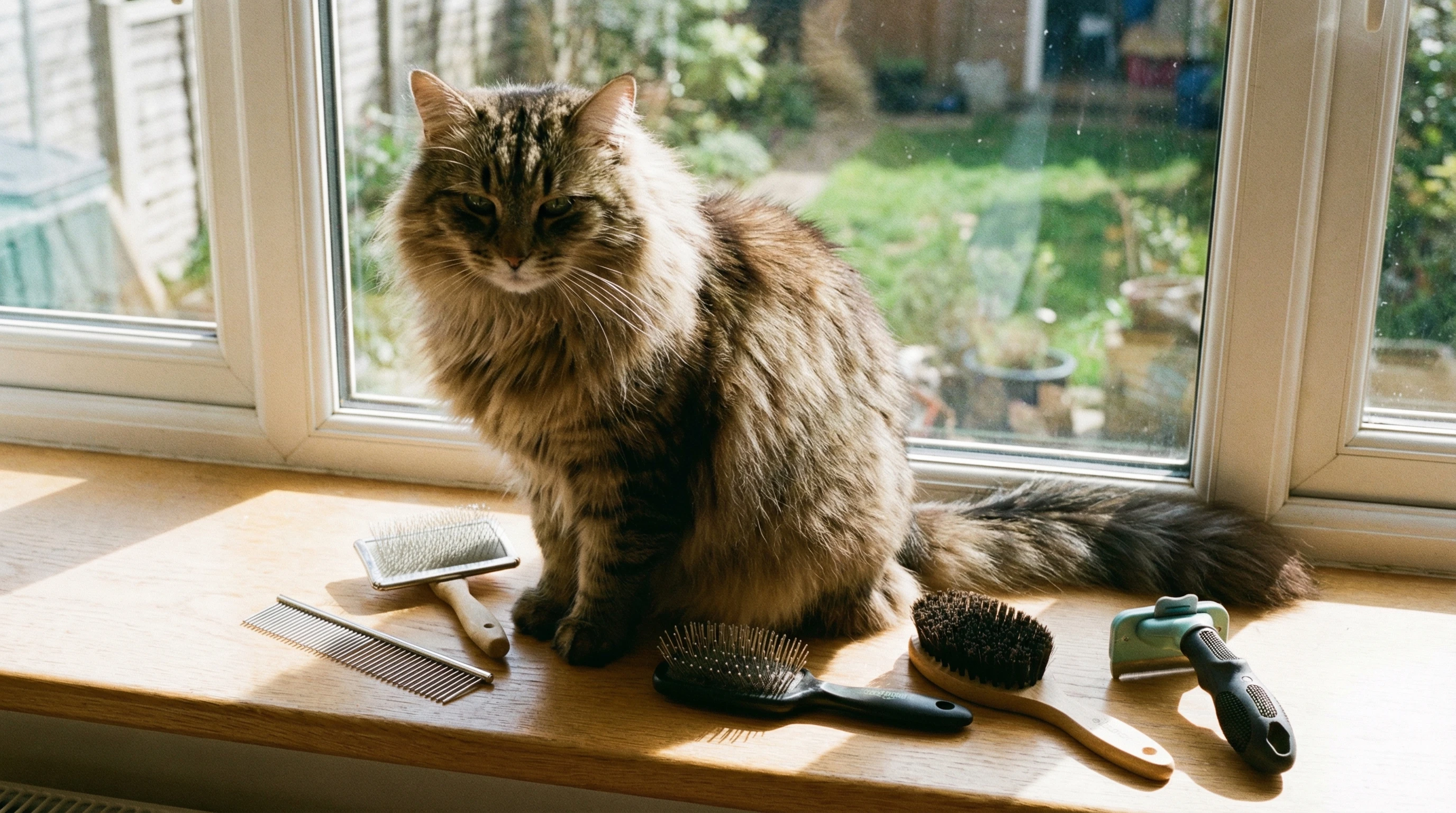
My humans keep a small grooming kit by the window perch, so they remember while admiring my majestic side profile. Whatever gets the job done with the least fuss works just fine. Try different tools until you and your cat are both comfortable. Over time, it becomes just another chill part of the day, like bird watching or soaking up the sunbeam. For tips on grooming specifically for a healthier, shinier coat, see my other article, “How To Groom My Cat For Healthy Fur”.
Frequently Asked Questions
Here are the questions my pals and I get about cat mat prevention all the time:
Q: My cat hates brushing—what should I do?
Try soft, slow strokes at first and offer tasty rewards each time. If things still aren’t going smooth, look for brushes designed for sensitive skin or try grooming gloves for a massage feeling. Little by little builds trust.
Q: Are mats dangerous if left alone?
Yes, they can lead to skin issues, limit movement, and even develop into infected wounds. Getting on top of mats quickly means fewer problems down the road. Taking care of tangles stops them from turning into bigger health concerns for your feline friend.
Q: Can indoor-only cats get mats?
Definitely. Lack of exercise can mean less grooming, and indoor heating can dry out fur. Regular checks and brushing keep even inside cats looking sharp.
Q: How do I know when to see a pro?
If the mat is close to the skin, too big for brushing, or the area is red and sore, reach out to a groomer or vet. It’s always safer to get help rather than risk hurting your skin, trust me!
Best Grooming Tools for Mat Prevention
Having the right tools in your human’s hands makes all the difference. From my grooming adventures, I’ve found these pretty handy:
- Slicker Brush: Good for most fur types; removes loose undercoat without pulling.
- Widetooth Comb: Breaks up tangles without snagging fine hair (great for long-hairs).
- Mat Splitter: Helps separate tight mats with less discomfort; get your human to use this one gently.
- Deshedding Tool: Works wonders during shedding season, pulling out undercoat fur before mats can form.
- Grooming Gloves: Especially nice for skittish types; feels just like petting, so most cats don’t mind.
Whichever tool your human chooses, it’s best if they keep it clean and brush in the direction of your fur. Start with just a few minutes and add more time as you get used to it. Extra treats don’t hurt either; sometimes those salmon flavored ones keep me coming back for more brushing. Try to turn grooming time into a bonding time—a little patience and positive attitude go a long way!
Becoming a matfree cat is all about forming habits that make daily grooming easy and stressfree. No matter your fur length or lifestyle, helping your humans keep up with brushing means more naps and fewer trips to the groomer. With these simple cat mat prevention techniques, you’re well on your way to smoother, happier days ahead. And hey, with a shiny, tangle-free coat, you’ll be looking your best for all your favorite window watching and naptime moments!