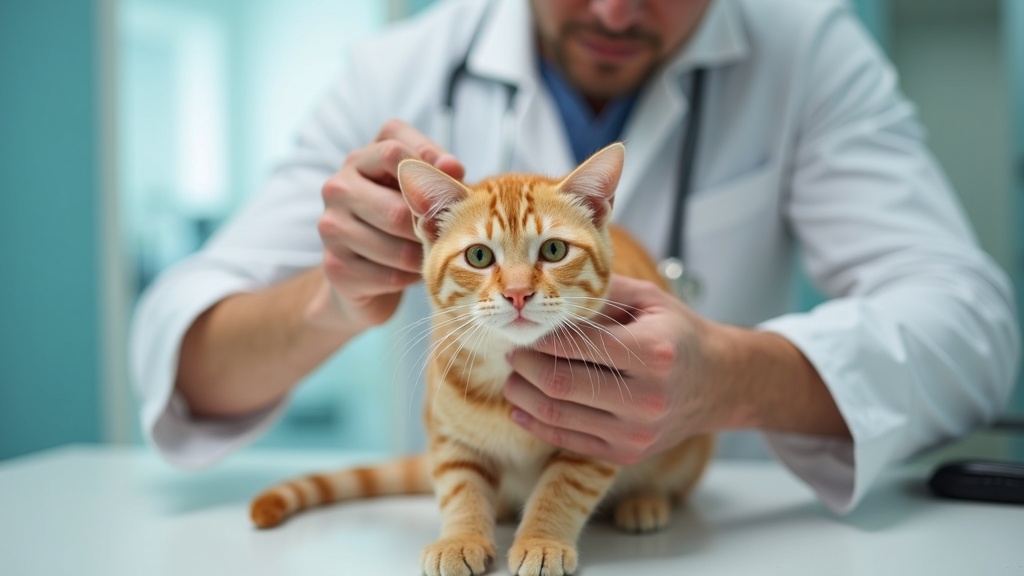
Cat Diseases: Symptoms and Treatment Options
If you live with a cat like me, Thompson, you probably already know that while we’re masters at looking mysterious and independent, spotting when something’s wrong isn’t as easy as you might think. Cat diseases can be sneaky, and our symptoms aren’t always dramatic. Knowing what to watch for and jumping on treatments right away can keep us purring for years to come. Here, I’m sharing everything you need to know about cat diseases, their symptoms, and how treatments work. This is all from a cat’s perspective, so let’s get into it!
Common Cat Diseases Every Owner Should Know
Cats face lots of different illnesses throughout our lives. Some are pretty mild, and others can get serious fast. Regular vet checkups and a solid understanding of which problems show up most in cats help you spot issues early. Here are a few cat diseases that show up the most often:
- Upper Respiratory Infections (URIs): Similar to a human cold and super common in shelters or multicat homes. Caused mainly by viruses like feline herpesvirus or calicivirus.
- Feline Leukemia Virus (FeLV): A contagious disease that affects the immune system and can lead to cancer or severe infections.
- Feline Immunodeficiency Virus (FIV): Weakens a cat’s immune defenses, making infections more common. FIV-positive cats can live long lives, but they need extra care.
- Diabetes: Adult and senior cats sometimes develop diabetes, especially if they’re a bit on the fluffy side.
- Hyperthyroidism: Older cats are prone to this, and it usually makes us extra hungry, thirsty, and restless.
- Kidney Disease: This is super common in aging cats, and can sneak up for years before obvious symptoms show.
- Parasites: Fleas, worms, and mites can attack at any age, indoors or out.
Of course, these are just a few of the health problems we can face. There are also dental troubles, arthritis, allergies, and even heart disease. Every cat’s health adventure is unique, so regular checks with your vet will help pick up anything out of the ordinary.
Recognizing Cat Disease Symptoms
I’m pretty tough about hiding pain or feeling bad; most cats are. But there are some clues that tell you something’s up. Many symptoms cross over between different diseases, but all of these are worth checking out with a vet if they last more than a couple of days:
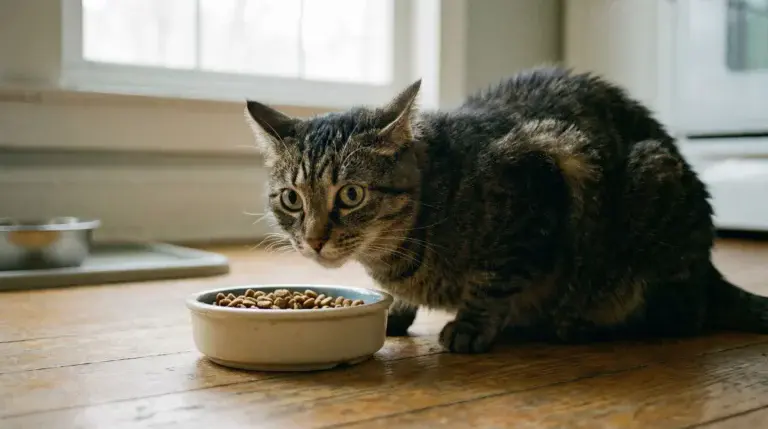
- Changes in appetite or weight: Suddenly eating way more or less than usual, or losing or gaining weight quickly.
- Increased thirst or urination: Drinking and peeing a lot can signal kidney issues, diabetes, or thyroid troubles.
- Sneezing, coughing, or nasal discharge: These are classic signs of upper respiratory infections.
- Vomiting or diarrhea: Cats throw up for lots of reasons, but regular vomiting or ongoing diarrhea needs a visit to the vet.
- Behavior changes: Becoming withdrawn, hiding more, sudden aggression, or much more clinginess can all be signs of feeling unwell.
- Poor coat condition: Dull, greasy, or patchy fur, or lots of shedding outside normal patterns, often points to underlying health issues.
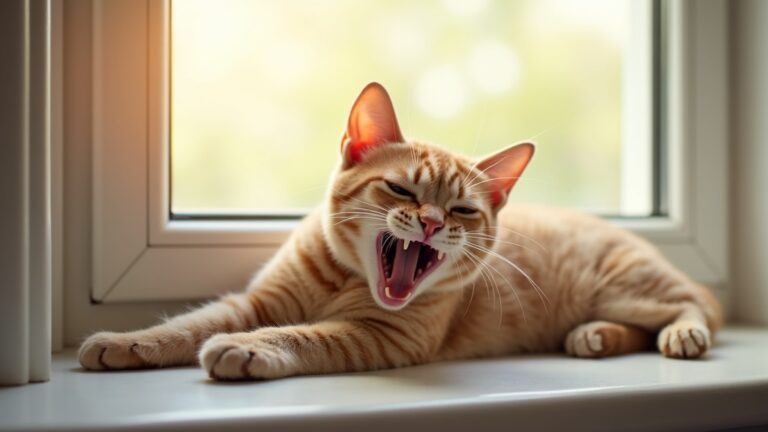
- Bad breath: Dental disease, kidney trouble, or metabolic issues can all give a cat funky breath.
- Lethargy or reduced movement: If your usually playful buddy suddenly isn’t moving much or seems tired all the time, it’s time for a checkup.
Paying attention to small changes might mean the difference between a simple fix and a big health scare. Since cats are super pros at hiding how they feel, your watchful eye is key!
Quick Guide to Cat Disease Treatments
Treatment for a cat’s illness depends on what’s going on, but the earlier you spot something off, the more options you’ll usually have. Here’s a look at some common treatments based on the diseases above:
- Upper Respiratory Infections: Mild cases need rest, a quiet spot, and maybe a humidifier. Severe cases sometimes require antibiotics (for bacterial infections) or antivirals. Keep eyes and noses clean with warm damp cloths, and make sure your cat keeps eating and drinking.
- FeLV and FIV: There aren’t cures for these, but good nutrition and regular vet care help cats live comfortably for years. Sick cats need to stay indoors to prevent spreading these viruses.
- Diabetes: Most cats need daily insulin shots and a diet change, often to highprotein, lowcarb foods. At-home blood sugar monitoring has made a big difference for a lot of diabetic cats and their humans.
- Hyperthyroidism: Options include prescription medication, a special diet, an iodinebased treatment, or sometimes surgery. Each cat’s program is different based on age and health.
- Kidney Disease: Treatment focuses on special diets (with low phosphorus and sodium), plenty of clean water, and sometimes medications or fluids under the skin. Regular checkups help track kidney function and adjust plans as needed.
- Parasites: Vets prescribe easy topical treatments or pills for fleas, ticks, and worms. Keeping up on regular preventative meds keeps parasites at bay.
Treatments vary, and being speedy about seeking care is key. Some issues, like parasites or simple infections, clear up quickly with medicine. Others, such as diabetes or kidney issues, require ongoing attention. But there’s always something you can do to give your feline friend a boost and keep us feeling our best.
Things Owners Should Consider When Their Cat is Sick
When you notice your cat’s not themselves, there are a few things that really make a difference. Acting fast helps, but so does picking the right course of action for your particular cat. Here are some handy tips:
- Don’t put off vet visits: Cats tend to hide discomfort, so waiting can let things get worse. Quick trips can mean simpler, cheaper treatments.
- Keep a symptom diary: Track appetite, bowel movements, thirst, and energy. Vets love this info, and it can help with tricky diagnoses.
- Be honest about lifestyle: Tell your vet if your cat goes outside, lives with other animals, or has any changes in living situation.
- Double-check medications: Only use meds prescribed for cats. Some human meds (like acetaminophen or ibuprofen) are dangerous for us. Never guess, always ask your vet.
At-Home Care Is Part of the Treatment
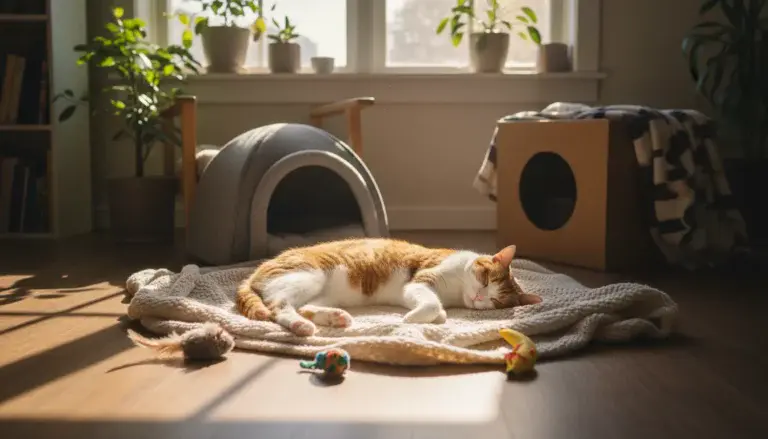
Cats bounce back best with a calm, quiet recovery spot. Make sure fresh water and food are always available. Sometimes, you’ll need to tempt us with something smelly or warm up our food if our noses are stuffy.
Follow your vet’s directions carefully, measure medicines, and keep up with checkups. If you live with more than one cat and one is contagious, separate supplies and litterboxes to keep illnesses from spreading. Taking extra care with disinfecting cat bedding, cleaning up accidents promptly, and encouraging us to rest will all help us recover more quickly.
Chronic Conditions for Long-Term Support
Some things, like kidney disease or diabetes, mean changing routines for the long haul. Regular vet monitoring helps a lot, and learning to give medicine or subcutaneous fluids at home can keep your cat comfortable and healthy.
Many cats adjust really well, and most learn to trust you with medicine if you stay gentle and patient. Rewards help! You may also have to modify activity, give special treats, or encourage drinking water in creative ways—like fun cat fountains or special bowls.
Advanced Tips for Spotting Subtle Symptoms
Some illnesses are tricky, but you get better at spotting the small changes over time. Watch for these less-obvious signs:
- Changes in grooming routine: Overgrooming or failing to groom at all can both signal pain or stress.
- Subtle changes in posture: Sitting hunched up or sleeping in new places can mean discomfort.
- Unexplained weight loss: Even if your cat seems all right, losing weight gradually can signal serious illness. Regular weigh-ins at home can catch this early.
- Voice changes: Meowing more, less, or in a different pitch is worth mentioning to your vet.
Staying alert for the little stuff can help catch silent problems before they get out of hand. Sometimes, it’s the new, small habits that tip you off before anything big and obvious happens.
Essentials for Cat Health Maintenance
Preventing disease is always easier than treating it. Here are some things I, Thompson, think are really important for keeping your feline friend in tiptop shape:
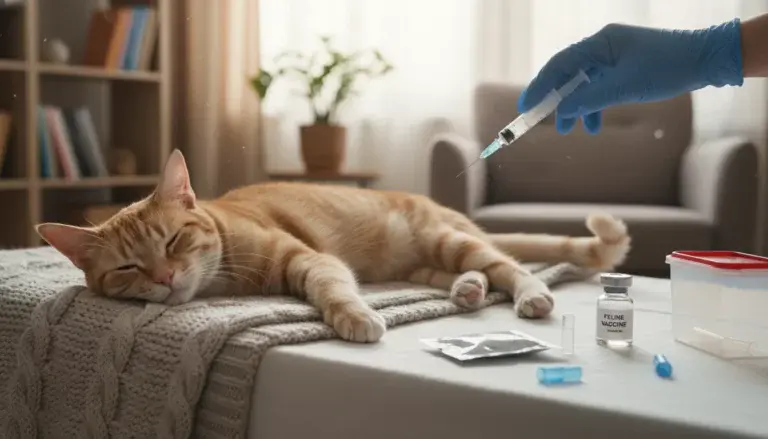
- Annual vet exams: Even healthy indoor cats benefit from yearly checkups, vaccinations, and dental exams.
- Good food: Highquality cat food designed for your cat’s age, health, and activity is the best base for lifelong health. Always make sure they get enough water and the right nutrients.
- Safe environment: Keeping cats indoors or in a secure catio helps avoid infectious diseases from strays or wildlife. You can also try leash walks if your cat enjoys them safely.
- Routine parasite prevention: Fleas, ticks, and worms are annoying and risky to health; year-round prevention helps a ton.
Brushing your cat’s teeth, offering scratching posts, and scheduling playtime to keep your kitty both active and entertained will all contribute to good health. Monitoring even subtle behavior, making sure all vaccinations are up to date, and keeping your house free from toxins are all extra layers of protection. For more information, see my article, “How To Identify Common Cat Diseases”.
Frequently Asked Questions
A lot of folks have similar questions when it comes to cat health. Here’s a quick Q&A:
Question: My cat is vomiting. Should I worry?
Answer: Occasional hairballs or vomiting after eating too fast isn’t unusual. Repeated vomiting, trouble eating, or blood in the vomit always needs a vet check.
Question: Can I prevent my cat from getting sick?
Answer: Not all diseases are preventable, but keeping up with vet visits, vaccines, parasite control, and indoor safety can lower your cat’s risks for the most common problems.
Question: Why is my cat peeing outside the litter box?
Answer: Stress, urinary tract infections, kidney disease, and diabetes can all cause litter box issues. If this suddenly starts, a vet check is the right move.
Start Supporting Your Cat’s Health Today
Catching cat diseases early is one of the best ways to support a long, happy life. Don’t be shy about calling the vet if you notice changes, and set up a routine for health maintenance. Cats don’t always show pain, but you know your friend best. With a little attention, quick action, and good preventative care, cats like me can keep living our best lives!