
Cat Body Language Explained
If you’ve ever wondered what your whiskered friend is thinking, you’re not alone. Feline body language might seem mysterious, but I promise it isn’t some secret club for cats only. There are plenty of clues that show exactly what’s happening inside your cat’s head. Since I’m Thompson the cat, I figure I’m pretty qualified to break down what all these wiggling tails and twitching ears mean. Here’s my guide to reading cat body language more confidently, so you can start understanding what your favorite feline is trying to tell you.
Why Cat Body Language Matters
I know some humans expect cats to communicate like dogs, but it’s a whole different game for us. Cats rely much more on posture, tail, eyes, and even subtle movements to get a message across. Recognizing these signals helps people and cats get along better. You’ll avoid confusion, prevent stress, and maybe even deepen your bond. Plus, spotting signs of unhappiness early makes a big difference in how safe and confident your cat feels. You might even stumble upon little habits—like how your cat always taps their tail before a leap—that make your friendship extra special.
How to Read Your Cat’s Tail
The tail is basically my billboard. It’s always telling a story. If you can decode tail positions, you’re already halfway to expert status. Here are a few of the most common tail signals and what they mean:
- Upright Tail: This is my way of waving hello or showing I’m happy to see you. When I stroll over with my tail straight up, I’m feeling confident.
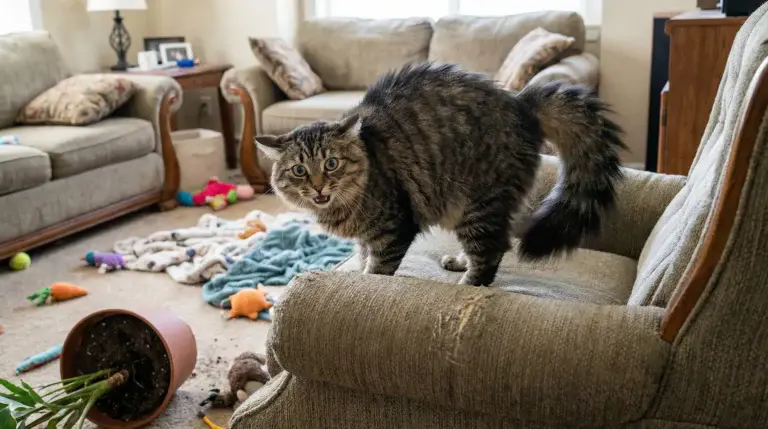
- PuffedUp Tail: When my tail gets big and bushy, I’m startled or scared. You might want to give me space in this case.
- Slowly Swaying Tail: If the tip is gently swinging, I might be focused or interested in something, like a bug or an odd noise.
- Flicking Tail: Rapid side-to-side flicking usually means I’m annoyed or impatient. If you see this when petting me, it’s probably a hint to stop.
- Tucked Tail: Pressing my tail under my body is a sign of fear or submission.
It’s also worth watching tail speed. A fast, whipping tail often means rising agitation, while a soft wave usually means curiosity or excitement. Sometimes you’ll spot a playful tail twitch when I’m getting ready to pounce on a favorite toy.
Ear Movements: The Mood Antennas
My ears might seem like little triangles, but they’re like emotional antennae for anyone paying attention. Here’s a breakdown of ear language:
- Ears Forward: When my ears are pointing straight ahead, I’m curious or in a friendly mood. It’s a good time for treats or play.
- Ears Swiveling: Constantly turning ears mean I’m alert, tracking sounds, or trying to figure out where that mysterious crinkle came from.
- Ears Flattened Sideways (Airplane Ears): When my ears go sideways or flat, I’m anxious, worried, or maybe not too thrilled with something.
- Ears Pinned Back: If you see my ears tight against my head, I’m scared or defensive. This is a signal to back off and give me some space.
Ears are super helpful for spotting early signs of stress, so this signal is really important to watch for, especially in a multi-cat home or when new people visit. If you pay attention to how the ears move during different times—like feeding versus play—you can get a clearer picture of your cat’s mood.
Eye Signals: The Story Behind Those Stares
Feline eyes aren’t just about looking cute (though I do that a lot). How I look at you can tell you a lot:
- Slow Blinking: When I blink slowly at you, it’s my version of a kitty “I love you.” If you slow blink back, you’re likely to see me relax or respond in kind.
- Direct, Wide Eyes: Wide, unblinking eyes mean I’m highly alert. Something has caught my attention, or I’m surprised. It’s best to approach quietly.
- Half-Closed Eyes: If I look at you with sleepy eyes, I’m relaxed and content. You’ll often see this when I’m curled up in a sunny spot.
- Dilated Pupils: Super big pupils often mean excitement, fear, or intense focus. You might also spot this right before I pounce on a toy (or your toes).
If you see me squinting or keeping my eyes partly closed for long periods, it’s smart to check for irritation or health troubles, since cats sometimes hide pain. Sometimes, subtle expressions in the eyes can reveal curiosity; other times they point to uncertainty or discomfort.
Cat Posture and Body Position
Body posture tells you a lot about what’s brewing in my mind. Look for some of these common signs:
- Relaxed Body: When I lie on my side, stretch out, or roll over with my belly exposed, I’m pretty comfortable. If I invite belly rubs, just be gentle. Not all cats love belly pats.
- Arched Back: If I arch my back and fluff my fur, I’m scared or trying to make myself look bigger to fend off something I perceive as a threat.
- Crouched or Low to the Ground: This can mean I’m hunting, but if my ears, tail, and whiskers point backwards, it’s likely fear or high stress.
- Puffed Fur: Raised fur along my spine shows fear or agitation. Sometimes this happens during play, but it can also signal alarm.
Note: If I freeze, with tense muscles and flattened ears, that means I’m probably really scared. Move slowly, and watch to see if I relax or try to hide. Observing posture during meal times, play, or when houseguests visit can help you spot when your cat feels safe versus uneasy.
Vocal Cues: Meows, Purrs, and More
Tails and eyes aren’t the only ways I communicate; I also use my voice. Here’s a quick rundown of what different sounds usually mean in catspeak:
- Meows: Meowing is really for talking to humans. Short meows might be greetings, while longer or louder meows can be demands (like for food or attention).
- Purring: Usually a sign of happiness or contentment, but sometimes I’ll purr if I’m nervous or not feeling well as a form of self-soothing.
- Hissing or Growling: These are warning noises. If you hear them, I’m feeling threatened or seriously annoyed. Backing off is usually a smart move.
- Chirping or Chattering: You might hear this when I’m watching birds outside. It’s part excitement, part frustration that I can’t reach my prey.
Every cat has their own accent and typical sounds, so you’ll learn to recognize what your own cat is saying the more you listen. Over time, you can pick up on their special signals—like the sound that means they’ve spotted something interesting outside or the meow for “fill my food bowl, please.”
Recognizing Signs of Stress, Fear, Playfulness, and Affection
Cats show their emotions in ways that are easy to spot once you know what to look for:
- Signs of Stress or Fear: Flattened ears, dilated pupils, tucked tail, hiding behavior, and sudden aggression all signal a cat feeling anxious. Because these signals can also appear during overstimulation, learning how to tell cat anxiety from overstimulation helps you respond more calmly and avoid pushing your cat past their limits. Being able to read these signals is especially important during handling or grooming, including learning how to trim cat nails safely without pushing a cat past their comfort zone.
- Affection: Slow blinks, gentle purring, kneading with paws, rubbing head or body against you, and tail held high when greeting you are all friendly signals.
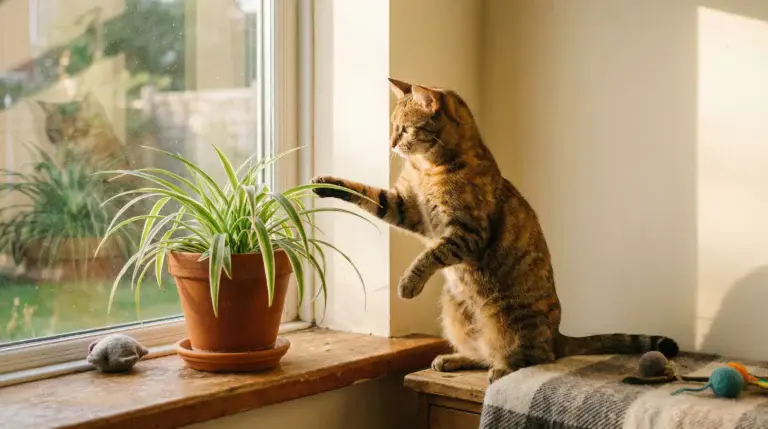
- Playfulness: Tail twitching, “butt wiggle” before pouncing, mock attacks with no claws out, and fast runs around the house signal I’m having fun.
- Aggression: Hissing, growling, swatting with intent, direct stare, and usually a rigid body posture mean I’m either defending myself or telling someone to back off.
It’s fascinating how quickly a cat can go from playful to annoyed and back again. Keeping an eye out for these signals can save you from an accidental scratch and help build more trust.
Troubleshooting Misunderstandings
Sometimes, well meaning people misread cat body language. I’ve seen humans try to pet a cat showing a flicking tail, only to get nipped. Getting to know the basics and watching closely is the best way to clear up confusion. If you have a new cat, take things slow and watch how they react to changes at home.
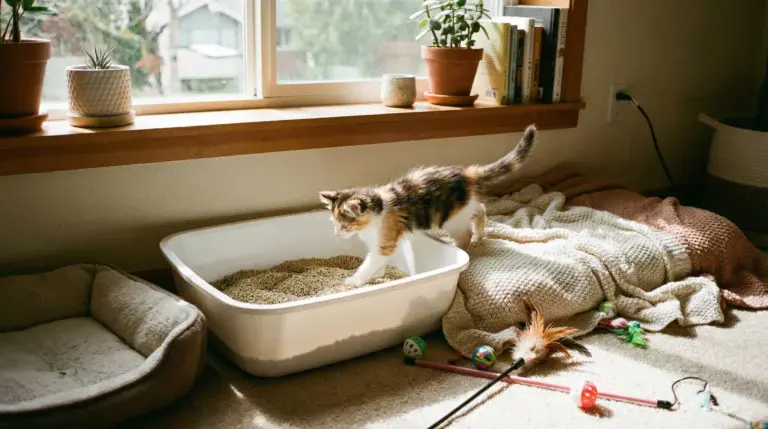
If your cat suddenly acts withdrawn, hides more than usual, or shows changes in appetite or litter box habits, a trip to the vet might be in order. For younger cats, some litter box issues are simply part of learning, and kitten litter training tips can help set clear, stress-free habits early. Sudden behavior shifts can point to illness or pain. Stay patient and be gentle; a little observation makes a huge difference.
Frequently Asked Questions About Cat Body Language
How do I know if my cat trusts me?
Trust shows up in loose posture, slow blinks, sleep positions that show the belly, purring near you, and following you around the house. A cat that greets you with an upright tail is almost always feeling friendly and safe. They will often nuzzle your hand or sit nearby out of the blue, showing genuine comfort.
Why does my cat show me their belly?
Exposing the belly is a big sign of trust. Some cats like belly rubs, but many don’t, so approach with caution. There’s a chance they want to show comfort, not start a wrestling match. Always read the rest of their body language before moving in for the pet.
Is a twitching tail always a bad sign?
Not always! Sometimes I’ll twitch my tail when I’m excited or spotting prey, but a fast, hard whip often means I’m getting over-stimulated or annoyed. If you’re not sure, look for other signs like ears back or a rigid body before proceeding.
Getting Closer With Your Cat
Improving communication helps both you and your cat feel more understood. The trick is to notice patterns in behavior, learn what each sign means for your individual pet, and respect their boundaries. With practice, you’ll know when your cat wants to play, cuddle, or be left alone, which definitely comes in handy for keeping everyone in the house happy.
Understanding cat body language turns you from an outsider into part of the inner circle. Watching for signals, listening to meows, and building trust all help create a smoother, more satisfying life together, one purr at a time. Stick with it, and soon you’ll feel like you and your cat have a language all your own.