Cat Behavior Solutions
Living with cats is a wild ride, even for me, Thompson, your resident feline expert. If you’ve ever wondered why your cat suddenly sprints down the hallway at 2 a.m. or insists on knocking things off tables, you’re in the right place. Since I know a thing or two about being a cat (with all the perks and quirks), I’ll break down why we behave the way we do and what you can do if your cat’s antics start to wear you out. Think of this as your go-to guide for common cat behavior problems and the kind fixes that actually work.
Understanding Cat Behavior: Why Do Cats Act Up?
Cats aren’t being difficult just for fun (well, maybe not all the time). Our habits, like scratching furniture or acting extra vocal, usually tie back to instincts, environment, or even health. Many humans miss the subtle cues we try to send. Stress, boredom, health issues, or a new pet in the house can all make us act out. Knowing what’s normal and what’s a warning sign makes life a lot happier for both of us.
Cats communicate through body language, sounds, and behaviors more than through meows alone. If your cat is spraying, hissing, peeing outside the litter box, or suddenly getting aggressive, there’s always a reason—even if it feels totally random at 3 a.m.
Common Cat Behavior Problems (And How I’d Fix Them)
Some behaviors show up more than others, so here’s a list of the big ones, along with practical ways to calm things down, straight from one cat to another.
Aggression
Sometimes cats go from snuggly to swatty pretty fast. Aggression can range from growling or hissing at people or other pets to full-on biting and scratching. Some possible reasons include:
- Fear or Over-stimulation: Too much petting, loud noises, or sudden moves get our stress levels up. Because anxiety and overstimulation can look very similar in cats, learning how to tell cat anxiety from overstimulation can help you respond correctly and prevent aggression from escalating.
- Territorial Stress: New pets or people in our safe territory can make us lash out.
- Pain or Illness: Sudden aggression can be a sign of pain or health issues that need a vet’s help.
How to Help: First, rule out medical problems. If your vet gives the all-clear, try these:
- Give us space when we ask for it (a tail flick is the universal “not now” sign).
- Stick to predictable routines for meals and playtime.
- Provide safe spots to retreat, such as cat trees, high shelves, or cardboard boxes.
- Use interactive toys (like wand toys with feathers) to let out hunting energy safely.
Spraying and Inappropriate Urination
Spraying is classic cat business: backing up to a vertical surface and letting a little urine fly. Peeing on beds, rugs, or laundry piles isn’t about revenge. It usually means we’re either marking territory, stressed out, or sometimes sick (those urinary tract infections are no joke).
What to Try:
- Always check with your vet first—health issues are super common in these cases.
- Keep litter boxes clean (scoop daily if you can).
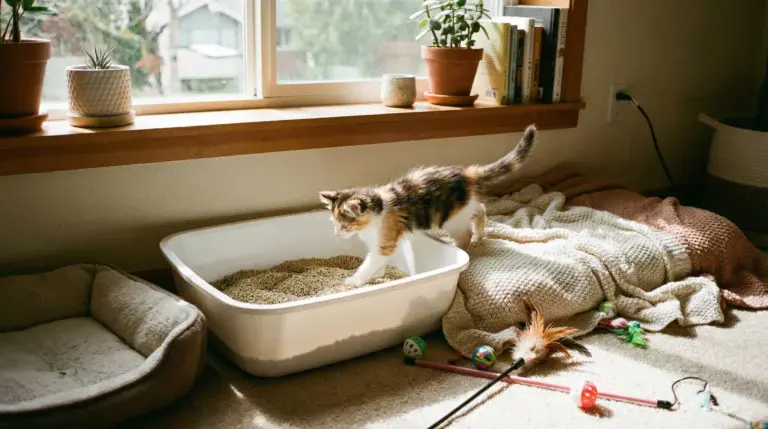
- Have more than one box, placed in calm, private spots, not next to noisy appliances or areas with heavy foot traffic.
- Clean marked spots with an enzymatic cleaner made for pet messes; anything else may leave behind smells we’ll want to re-mark.
- If there’s a new cat or pet, introduce everyone slowly and let us explore at our own pace.
Destructive Scratching
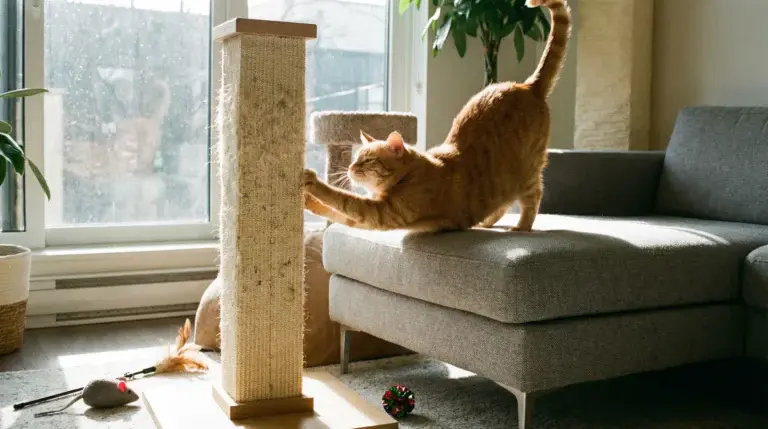
Your couch looks way too tempting for us to resist. Scratching is the cat way of stretching, marking territory, and keeping claws sharp. If we scratch your furniture, we probably don’t have enough good places to scratch.
- Get a few scratch posts—some tall and sturdy, others flat or angled. Sisal rope is a favorite for many of us.
- Put scratch posts near the things we usually scratch, like the arm of the sofa.
- Use catnip or treats to make new posts more appealing.
- Don’t declaw us—it’s painful, and you wouldn’t like losing your fingernails, either.
- Trim claws regularly if we’ll let you; gentle practice pays off! If trimming feels intimidating, learning how to trim cat nails safely can make the process calmer and help protect your furniture at the same time.
Excessive Meowing or Yowling
Some cats, like Siamese cats, are born to chat. But if a usually quiet cat starts vocalizing more, it can mean hunger, loneliness, boredom, or a health issue (especially in seniors).
Ways to Turn Down the Volume:
- Make sure all needs are met: food, water, litter box, play, and comfy spots to nap.
- Give regular play sessions to burn off energy and lift our mood.
- If we’re older and particularly vocal at night, mention it to your vet. Conditions like thyroid issues or cognitive decline can pop up as we age.
- If all needs are met, sometimes ignoring extra meows helps—just don’t reward every sound with attention, though we’ll keep trying.
Overgrooming and Hair Loss
When we groom so much we get bald patches, it’s often stress or itchiness from fleas and allergies. Overgrooming can look dramatic, but it’s our way of coping when something’s wrong.
- Check for fleas or allergies and chat with your vet about safe treatments.
- Make sure the environment is calm—sudden changes like moving or noisy renovations raise our anxiety.
- Interactive toys, window perches, and one-on-one hangout time help manage stress.
How to Build a Cat-friendly Environment
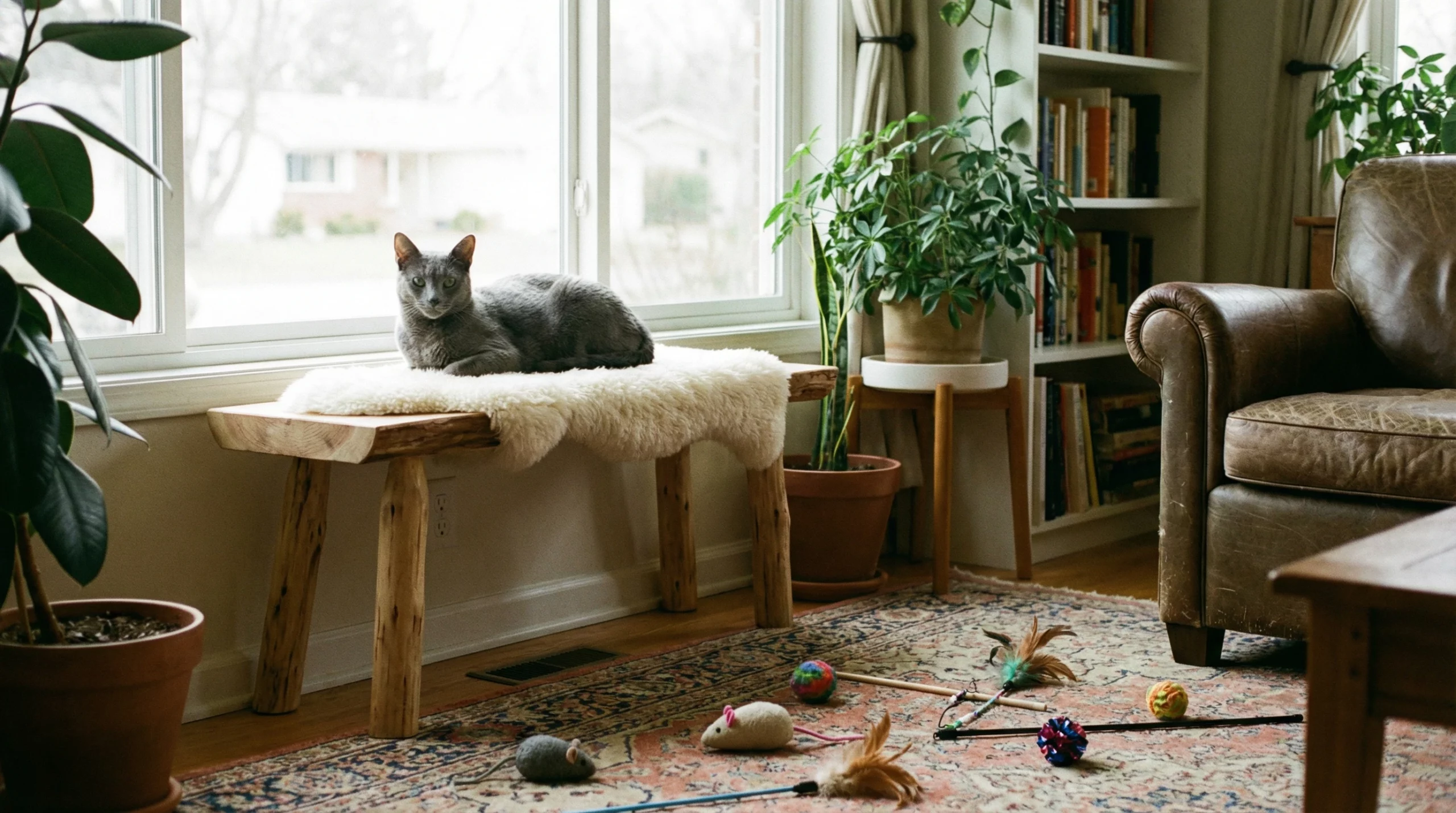
A happy cat home has a few basics: spots to stretch, scratch, nap, play, and, most of all, feel safe. Here’s how you can make daily life more awesome for us and you:
- Vertical spaces: Cat shelves, trees, and perches give us high-up safe zones. Perfect for spying on everything below.
- Private hideaways: Boxes, tunnels, and beds in quiet places let us escape noise and chaos.
- Stimulating toys: Puzzle feeders and toys that mimic hunting (like balls, wands, and crinkly things) blast away boredom.
- Routine: Regular meal, play, and cuddle times lower stress. Predictable days help us stay calm.
Adding window hammocks, bird feeders on the balcony, or regular gentle brushing keep things fresh and boost both our moods and yours. You could even rotate toys every week or introduce DIY treat puzzles using common household items like cardboard tubes. Consider playing soft classical music when you’re away or leave a shirt with your scent in our favorite spot for extra comfort. The more cat-friendly your place feels, the less likely we are to act out.
When Cat Behavior Signals Stress or Health Problems
Many quirky behaviors have medical roots. If we start acting unusually—hiding more, losing weight, eating less, or any big shifts—always check with a vet. Chronic pain (such as arthritis or dental trouble), hyperthyroidism, diabetes, or urinary blockages are just some health issues that can cause fast changes in our behavior.
Keeping an eye out for subtle changes in how much we use the litter box, how much we eat, and whether we still play as much as usual helps you catch problems before they turn serious. For younger cats, many behavior challenges start with the basics, and kitten litter training tips can help prevent litter box problems before they begin.
Frequently Asked Questions
I get a lot of questions from humans on cat behavior. Here’s what you probably want to know:
Question: Why does my cat suddenly attack my feet or hands during play?
Answer: Hunting is in our DNA. Stick to using toys (such as wand toys) instead of your hands for play. Redirect our energy to safe objects so your hands stay scratch-free.
Question: My cat keeps meowing at the door. How do I get them to stop?
Answer: We might want out or we’re just curious. Add fun activities, window perches, and plan regular playtimes to distract us. Sometimes, all we need is a little environmental boost.
Question: Are pheromone diffusers or sprays worth it?
Answer: Some cats truly relax with pheromone diffusers, especially during big changes like moving or introducing new pets. They’re definitely worth a try if your cat seems stressed.
Troubleshooting Tips: When Solutions Need Extra Help
If you’ve tried everything at home and behavior problems aren’t budging—or they get worse—contact a cat behaviorist or your vet for help. Certified professionals know how to spot tricky issues and can offer custom tips for your specific situation.
Sometimes, medical problems fly under the radar, and catching them early makes a huge difference. There’s nothing wrong with asking for a backup when you need it.
Living with cats comes with its quirks, but most problem behaviors are simply us trying to communicate the best way we can. Understanding, patience, and a comfy home go a long way. A little curiosity and kindness can translate into a happier cat (and probably a lot fewer midnight zoomies).