
Cat Bathing Tips
If you’re reading this, you probably have a cat in your life who looks at the bathroom like it’s a haunted house. I’m Thompson, the resident expert in feline grooming (and in avoiding water when possible), and I know just how intense things can get when the topic of a cat bath comes up. The truth is, giving a cat a bath is not a daily event. Knowing when and how to do it helps everyone—your cat, your furniture, and your nose—live together a bit more peacefully.
When Bathing Becomes Necessary for Cats
Cats do a pretty good job keeping themselves clean most of the time. I take my personal hygiene very seriously, and you’ll usually find me grooming after breakfast, before naps, and basically any time I see a spot in my fur out of place. Normally, a healthy cat and their routine grooming are all that’s needed. But sometimes, a proper bath is the only way out of a sticky, or stinky, situation.
Here are the most common reasons a bath might actually have to happen:
- Sticky substances: Got into something your tongue can’t tackle, like paint, oil, syrup, or sticky foods? A bath clears what regular grooming can’t.
- Odors: If you’ve rolled in something smelly, no amount of tongue action will remove it fully. Think garbage adventures or a spritz of skunk.
- Medical issues: Cats with skin conditions, fleas, or who are recovering from illness might need medicated baths recommended by a vet.
- Older or over-weight cats: When grooming gets hard because of age or body type, a bath helps avoid greasy spots and mats.
Most cats don’t ever need a monthly bath like dogs do. If your cat’s coat is clean and they’re not giving off questionable scents, you can skip the tub for now. Always watch for unusual dirt, matting, and itching. That’s when it’s time to break out the shampoo.
Some cats, especially those with long fur, may occasionally need extra help, especially if their shedding fur tangles easily. Meanwhile, hairless breeds like Sphynxes need gentle baths to remove oily buildup. Your cat’s lifestyle matters too. Outdoor explorers will likely need cleaning up more than indoor loungers, though regular brushing can often solve most grooming issues.
Best Shampoos For Cats
If you ever have to wash a cat, using the right shampoo is really important for keeping their skin healthy and happy. Never use human shampoo or dog shampoo since they can dry out or irritate a cat’s sensitive skin. I’ve had friends come back from a bath smelling like coconut, and their skin was not happy about it!
What works best for most cats:
- Unscented cat shampoos: These are gentle on sensitive noses and less likely to cause a reaction.
- Hypoallergenic formulas: Super useful for allergenic cats or kittens to prevent skin flare-ups.
- Medicated shampoos: These are for cats who need extra help with fleas, fungal infections, or certain skin problems. Always use vet-recommended brands for safety.
- Waterless foam: There are some solid rinsefree cat cleaners out there that help reduce fuss if you want to avoid the full tub drama.
Two brands I hear a lot about among my feline peers: Earthbath (which makes a fragrance free option) and Burt’s Bees for Cats (gentle, affordable, no over-powering smell). Always rinse thoroughly, even with the best cat-safe shampoo, so there’s no residue left behind for licking.
For cats with allergies or skin problems, always check with your vet before selecting a shampoo. There are some special formulas for conditions such as dermatitis, and picking the right product early can spare your cat a lot of discomfort. Choosing a shampoo containing chamomile or oatmeal can provide extra comfort if your feline friend has sensitive skin.
Step by Step, Stress Free Cat Bath Routine
If you must wet me, at least warm the towel. Baths only work when things go smoothly, so a little prep goes a long way. Here’s how to give a bath in a way that’s as stress free as possible for both of us.
- Gather your supplies: Shampoo, two fluffy towels, a non-slip mat for the sink or tub, a cup for rinsing, and a few treats.
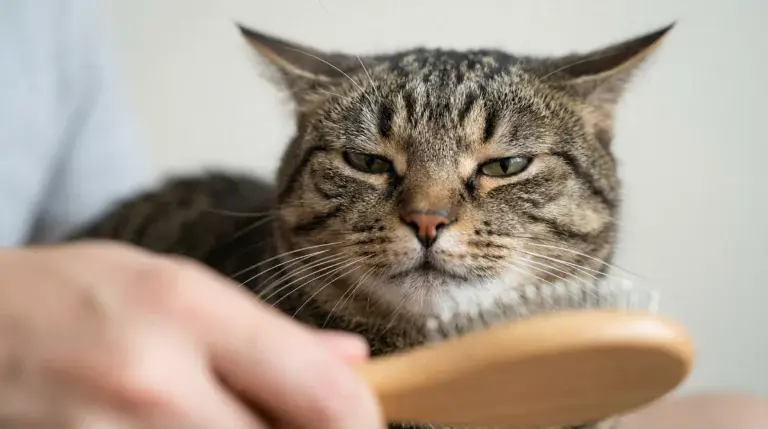
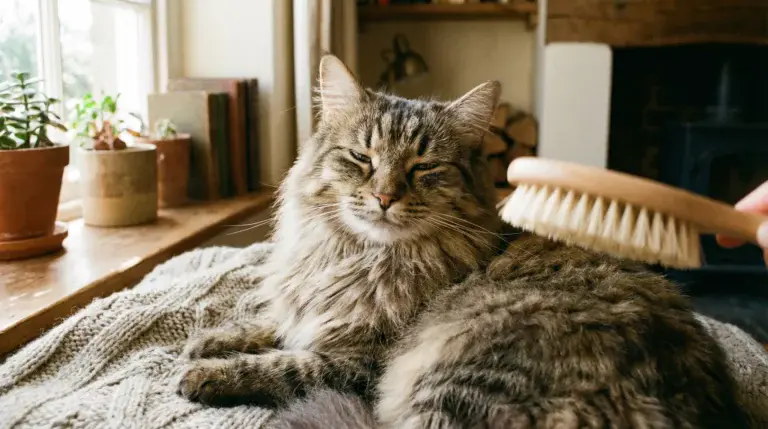
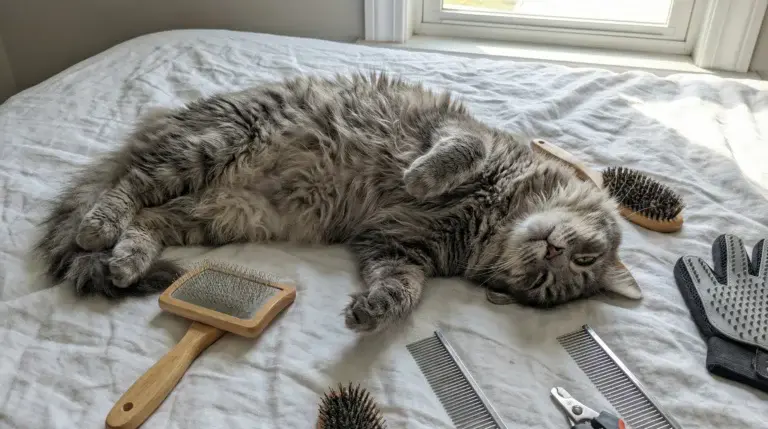
- Brush first: This untangles fur and removes loose hair, making the wash much easier (and less likely to clog your drain).
- Fill the tub or sink: Use a couple inches of lukewarm—not hot—water. Room temperature keeps stress levels lower for us cats.
- Wet gently: Place your cat gently in the water, supporting their body. Use a handheld spray hose or a cup to slowly wet fur, starting from the neck and moving back. Keep water away from face and ears; nobody likes soggy whiskers!
- Lather up: Work a small amount of cat shampoo into the fur. Go softly over the body and legs, avoiding eyes and inside the ears.
- Rinse well: Use clean, lukewarm water to rinse away all suds. Any leftover shampoo is irritating (and doesn’t taste great, either).
- Wrap and dry: Lift your cat out and bundle them in a pre-warmed towel. Pat dry; don’t rub, since rubbing can knot fur or stress your cat more.
- Finish up: Offer a treat when it’s over! Provide a quiet room for your cat to fully dry and regroup. (And maybe apologize with some gentle brushing.)
Some cats react better if you have a helper nearby for gentle support and calming words. Moving slowly, speaking softly, and working efficiently helps loads. Avoid baths when your cat seems especially anxious. If things get really out of hand, it’s totally reasonable to reach out to a groomer or vet for help.
Before starting, clip your cat’s claws to minimize accidental scratches, and always close the bathroom door. Playing soft music can sometimes help relax both parties. If your cat is particularly fidgety, consider wrapping them gently in a towel for the initial part of the bath, exposing only the area that needs washing. (If your cat is prone to aggression, see some additional tips in my article, “How To Calm An Aggressive Cat During Grooming”.
How To Dry a Cat Safely
Your work’s not done when the water is drained. Cats need to be dried in a way that keeps them warm and comfortable. I can tell you now: shaking off like a dog? Not happening. Here’s a safe way to get dry without any drama.
- Warm towels: Always use a towel warmed in the dryer or on a radiator; that soft heat is a lifesaver after a bath.
- Pat, don’t rub: Pat the fur gently with the towel. Rubbing can make things worse if the fur mats or your cat’s already stressed.
- Room temperature: Make sure the drying spot isn’t drafty. Heated rooms or sun patches work well, especially for long-haired cats.
- Hair dryer: Only use a hair dryer if your cat’s cool with it, keep it on low and at least several inches from the fur. Most cats will have strong opinions about this, though.
Short haired cats will usually air dry pretty quickly, but long-haired breeds (hello, Persian family!) can take longer. Regular brushing as they dry helps prevent any new mats from forming. For anxious cats, offer calm words and some treats, and avoid letting other pets or children disturb them while they dry. If your cat gets cold easily, consider covering them with a second towel.
Alternatives To Bathing: When Water Isn’t an Option
If you live with a water-averse cat, and most of us fall into that crowd, sometimes you need creative solutions. There are plenty of ways to help keep your cat’s coat fresh without a full-on soak.
- Waterless shampoos: Foams, sprays, or wipes get rid of light dirt or odors. They don’t need a rinse, so they’re pretty handy for spot cleaning.
- Spot cleaning: A damp washcloth can help clean paws and faces, or remove small patches of dirt.
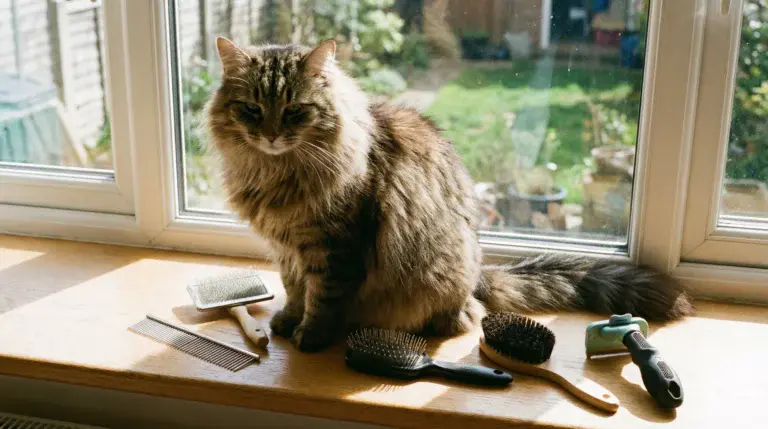
- Regular brushing: Brushing spreads natural oils and removes dirt or debris before it becomes a problem.
- Trimming fur: If mats keep forming or your cat can’t reach spots, careful trimming by a groomer helps prevent skin issues.
- Diet and health: Feed high quality food and keep regular vet visits. Healthy skin and fur come from the inside out.
Some cats benefit from wipes infused with soothing ingredients like aloe or vitamin E. Long-haired cats may also appreciate regular inspections for burrs or debris after outdoor time, and a fine toothed comb can help keep coats sleek without water. If your cat has chronic grooming issues or skin concerns, always check with a vet first. Baths won’t solve everything, but they’re sometimes a helpful tool if you use the right products and take it slow.
Common Questions About Cat Bathing
Some tricky situations pop up pretty often when the bath topic comes up. Here are a few helpful bits from my years dodging puddles and watching humans try to get things sorted:
How often should I bathe my cat?
Only when truly necessary, usually a few times in a year, if that.
What if my cat is terrified of water?
Try dry shampoos, wipes, or just stick to regular brushing. If bathing really cannot happen, check in with a groomer or vet for advice. Forced baths can cause lasting stress.
Can I use baby shampoo on my cat?
Best to skip it. Even gentle human shampoos don’t always have the right pH for us cats. Stick to truly cat-safe formulas.
My cat rolled in something toxic—what do I do?
Call your vet first for advice on how to clean up safely. Sometimes you’ll need a specific treatment.
The Key Takeaway
Bath time can be pretty daunting for any cat, but sometimes it’s the only way to handle messes or health issues we can’t deal with alone. Warm towels, slow moves, and gentle words go a long way for both sides of the tub. And if you ask me, a little treat post-bath should be required. Keep things chill, use the right products, and your cat (that’s me, if you’re lucky) will recover just fine. And if all else fails, remember, waterless options are worth their weight in gold. By keeping your feline friend’s comfort at the forefront, you make bath day just another quirky chapter in your cat’s story.