Cat Anxiety Treatment Options
Cats like me can get anxious pretty easily, and trust me, it’s no fun for anyone. When anxiety pops up, you might notice your feline buddy hiding more, being jumpy, or even peeing outside the litter box. Figuring out what helps is really important for both cats and our humans. I’m breaking down the main cat anxiety treatment options, along with a bunch of practical tips you can use at home to help your cat chill out.
Recognizing Cat Anxiety: What It Looks Like
Cats don’t always make it clear that they’re feeling anxious, and most of us don’t straight-up meow for help. Instead, anxiety can show up in all kinds of sneaky ways, like hiding under the bed, being extra vocal, or getting grumpy with people or other pets. Spotting the signs early makes a big difference before unwanted habits get worse. Some signs of anxiety in cats are:
- Hiding more than usual
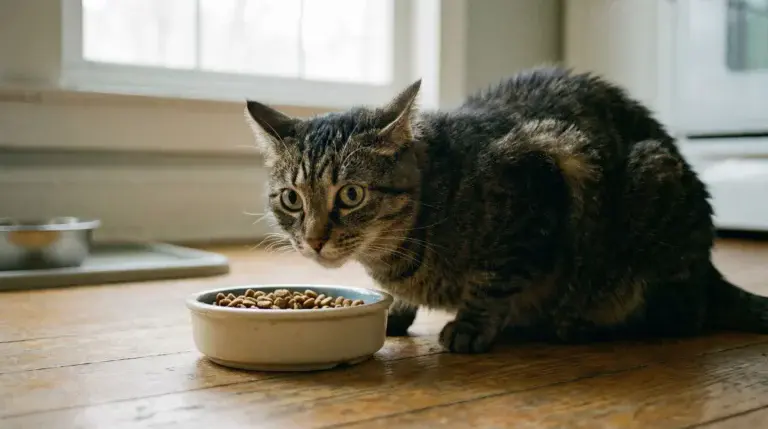
- Changes in appetite, eating less or more
- Vocalizing (meowing or yowling) more often
- Peeing or pooping outside the litter box
- Overgrooming or fur pulling
- Unexplained aggression or mood swings
- Pacing or restlessness
Pretending not to care is a cat thing, but anxiety really wears us down. Understanding these signs helps you take action before things get out of paw. If you notice your cat showing these symptoms for more than a few days in a row, it’s smart to track any patterns. Write down what happens just before your cat seems upset. This can help you spot (and fix) the main triggers, and it makes conversations with your vet much easier, too. Sometimes, even subtle changes like different smells in the house or a box being moved can throw some cats off their game.
Why Cats Get Anxious: Common Triggers
Understanding what makes us nervous helps a lot in managing anxiety. A few big stress triggers include:
- Changes at Home: Moving, new furniture, or a change in the household routine can unsettle us.
- Other Pets: Bringing a new cat, dog, or even a baby into the home is a top source of stress.
- Loud Noises: Thunder, fireworks, or rowdy parties can really freak cats out.
- Medical Issues: Sometimes, anxiety is the result of health problems, so always check with your vet if your cat seems stressed for no reason. For more info on cat illnesses, see my article, “How To Identify Common Cat Diseases”.
Spotting these triggers helps you make changes that keep your cat much more comfortable and less anxious. Even subtle triggers like new cleaning products, guests staying over, or a new neighborhood cat outside can boost anxiety levels in sensitive cats. Keeping an eye out for these smaller triggers will help you tweak the environment more effectively.
Cat Anxiety Treatment Options
You’ve probably seen plenty of ideas online for helping anxious cats. I’ll walk through the main ways to treat cat anxiety, from at-home tweaks to things you’ll need help from a vet for. Combining these can really help your furry friend relax and feel safe.
1. Create a Predictable Environment
Cats are much calmer when life goes as expected. Keeping a routine makes a big difference. Here’s what helps:
- Feed meals and snacks at the same times each day
- Keep the litter box clean and in a quiet spot
- Set aside daily playtime
- Give your cat a reliable place to nap, especially somewhere up high
Routines give us a sense of control, which cuts down a lot on day-to-day anxiety. You can also use soft music or cat-safe audio tracks during stressful times; these calming sounds often work wonders, especially when there’s lots of noise outside or visitors in the home. Try leaving out an unwashed t-shirt or blanket with your scent on it for extra comfort when you’re away.
2. Provide Safe Spaces
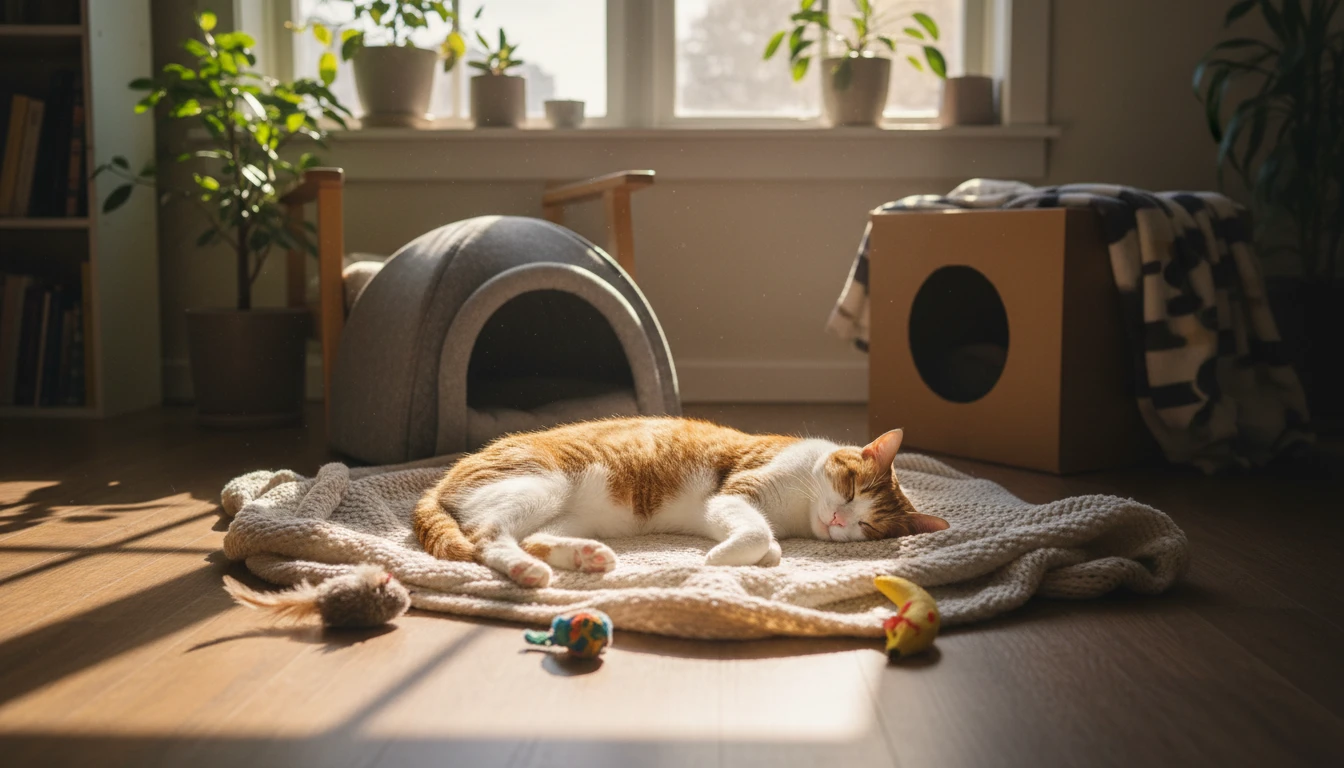
Sometimes a cat just needs to hide out until things calm down. Giving us cozy spaces like a cattree, a covered bed, or even a cardboard box lets anxious cats retreat when the world feels overwhelming. Make sure there’s at least one safe space the cat can always get to without running past any busy or loud areas. Rotate these spots if your cat decides on a new favorite hiding place. Covered hideaways placed in quiet corners are especially appreciated, and you can even get creative by draping a towel over a side table, making a pop-up den for extra comfort.
3. Enrichment and Play
Bored cats often turn anxious quick. Interactive toys like wand teasers, balls, or puzzle feeders keep our minds busy. Scratching posts or window perches also help us relax and burn off nervous energy. Even a short daily play session does wonders for our mood. Try switching up the toys you leave out every week so it feels new and interesting each time. You can also hide treats or dry food in puzzle feeders to mix playtime with snack time, making the day more rewarding and less stressful.
4. Pheromone Diffusers and Sprays
Plug-in diffusers and sprays that mimic cat pheromones (like Feliway) can help soothe anxious cats. These products are unscented to people but send calming signals to cats. They’re pretty handy for big life changes, multi-cat households, or crowded holidays. Some people find extra benefit by using a spray version on the cat’s favorite bedding or travel carrier before a car ride or vet visit. Be patient, as it sometimes takes a few days for the soothing effect to really kick in.
5. Behavior Modification and Training
Desensitization and counter-conditioning are big words for helping cats get used to scary stuff. Gradually exposing your cat to whatever freaks them out, and rewarding calmness with treats or playtime, can help. Positive reinforcement works better than punishment every time. If needed, a feline behavior expert can create a custom plan for your cat. Something as simple as calmly greeting your cat after returning home, instead of making a big fuss, cuts anxiety levels. Use favorite treats as tiny rewards for calm behavior in tricky situations, and keep sessions upbeat and short.
6. Natural Remedies and Supplements
Some herbs and supplements may have a calming effect on cats. Products that contain ingredients like L-theanine, tryptophan, hemp oil (CBD for pets), or calming chew treats are worth looking into. Always double-check with your vet before adding any supplements to your cat’s routine to make sure they’re safe. Catnip, believe it or not, calms some cats instead of amping them up. You can also try calming music tailored to cats, or even pheromone collars for cats who don’t stay in one place long enough for plug-ins to do the trick.
7. Prescription Medication
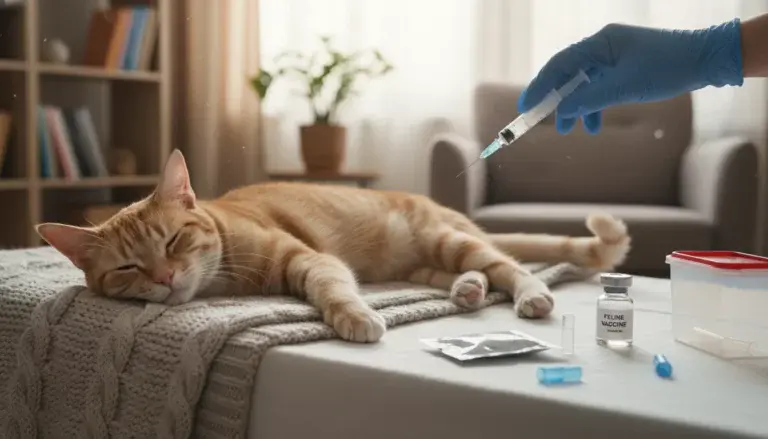
Some cats have anxiety so tough that natural remedies and changes in routine aren’t enough. Vets can prescribe anti-anxiety meds specifically for cats, usually just for short-term use or in really tough cases. Common meds include fluoxetine or trazodone, but these always require careful vet supervision to avoid unwanted side effects. If your cat needs medicine, make sure to monitor for any changes in appetite, bathroom habits, or energy. Sometimes a vet will want to check in regularly to see how things are going and make dosage adjustments as needed.
8. Address Medical Problems
If your normally chill buddy suddenly turns anxious, it’s smart to rule out health problems. Pain, hyperthyroidism, or even urinary tract infections can all cause behavior changes that look like anxiety. A vet exam and lab tests might be needed to rule out a hidden problem. Early intervention not only helps resolve anxiety but can also save your cat from discomfort or more serious health issues down the road.
Common Challenges When Treating Cat Anxiety
Helping a cat feel safe isn’t always quick or easy. Here are some issues that come up and a few tips for handling each one.
- Patience Needed: Progress is usually slow. Even small improvements are a win, so keep expectations realistic and celebrate the little pivots.
- Consistency Is Key: Cats need regular routines. Changing things around too much can reset all the good work you’ve done.
- Managing Multi-cat Tension: When you have a few felines, make sure each gets their own food, water, litter box, and safe spaces. That keeps the peace and helps anxious cats avoid competing for resources.
- Medication Challenges: Giving pills to a cat can be rough, so talk to your vet about transdermal gels or flavored treats if needed.
Family members should all know the plan for helping your cat feel secure—conflicting approaches around the house can confuse things and make anxiety worse. Use calendars or sticky notes to track medication or play sessions if needed, especially in busy homes. Reinforce positive behavior, and remember to give nervous cats their own private time—sometimes, a break from attention is just as important as extra cuddles.
Safe Spaces
A quiet hiding spot works wonders when things get overwhelming. If your cat’s nervous about guests or cleaning sounds, a cardboard box lined with soft blankets in a quiet room can be the best home base until things calm down again. You can make these retreats extra tempting by tossing in a favorite toy or sprinkling a little catnip. Place water and some food close by if your cat tends to hunker down for a while, so they don’t have to cross busy rooms to get what they need.
Addressing Aggression
Sometimes fear or anxiety pops up as hissing, swatting, or extra biting. Anxiety-related aggression can also show up during routine handling, and understanding why cats get aggressive during grooming helps explain why brushing or nail trims can quickly push an already anxious cat past their comfort limit. Instead of punishing, try giving your cat space and calming routines. If aggression continues, a vet or feline behavior expert can help figure out a plan that reduces everyone’s stress. Avoid rough housing when your cat is anxious, and consider keeping interactions brief and gentle. Over time, gentle handling and routine will help teach your cat that their space is safe, which tends to tone down anxious aggression.
Frequently Asked Questions
Question: Is it normal for a cat to be anxious when moving to a new home?
Answer: Yes! Changes in surroundings are one of the biggest stressors for most cats. Setting up a “safe room” filled with familiar toys, dishes, and litter boxes helps them settle in. You can put one of your old shirts in the room for a smell that reminds them of you—it makes the new space feel a bit less scary.
Question: Are there prescription medications for cat anxiety?
Answer: There are several vet-approved medications that help manage cat anxiety, especially for tough cases. Always talk to your vet to discuss medicine options, side effects, and monitoring. Discuss any concerns about long-term use and keep an eye on your cat’s behavior to make sure the medicine is working as it should.
Question: Can pheromone diffusers really help anxious cats?
Answer: Pheromone diffusers like Feliway are proven to help lots of cats feel calmer, especially in stressful situations or busy households. Remember, results can vary—if one brand isn’t making a difference, there are a few others to try or combine with your vet’s tips for maximum comfort.
Question: What if nothing seems to help my cat’s anxiety?
Answer: If tried-and-true methods aren’t working, it’s time to circle back with your vet or a certified cat behaviorist. Sometimes adjusting the treatment plan or digging deeper into hidden triggers is all it takes. New products and research are emerging all the time, so don’t give up—sometimes a simple routine tweak or even updated strategies can help your cat finally start feeling at home.
Helping Your Cat Feel Safe and Calm
Treating cat anxiety is really about building trust and creating a relaxing home where your favorite fluff ball can let their guard down. Every cat’s a little different, so a combination approach is usually the way to go. Set routines, offer safe places, keep playtime fun, and keep an open mind to different methods until you find what clicks. If you’re patient and understanding, your cat will start feeling more secure, which means a happier cat and a happier you, too. Remember, taking just a little time each day to observe and interact calmly with your pet makes a world of difference for their confidence and peace of mind. In the end, helping your cat beat anxiety will not only make their life better, but help strengthen the bond you share for years to come.