Cat Anxiety Signs: How To Tell Anxiety From Overstimulation
If you’ve ever seen your cat go from playful to suddenly nipping or hiding under the couch, you might wonder what’s really going on. As Thompson, I know a thing or two about cat moods! Feline anxiety and overstimulation can look a lot alike, and it can be tricky—even for an observant human—to tell the difference. Knowing how to spot each helps you better support your feline friend (or, you know, me).
Understanding Cat Anxiety vs. Overstimulation
Cats experience both anxiety and overstimulation, but these aren’t just random mood swings. Anxiety is a more general, unsettled feeling a cat gets. Think of it as nervousness or unease. Overstimulation usually happens in response to too much petting, noisy environments, or intense play. Both can create similar reactions, so reading the details is really important.
Recognizing signs of stress early can prevent issues, making life smoother for both cats and their humans. If you want to get a handle on cat communication, check out these cat communication tips I’ve put together for you. Understanding the small changes in your cat’s body language truly helps you have an easier, happier relationship together.
Common Signs of Anxiety in Cats
Cat anxiety doesn’t show up the same way in every kitty, but here are some classic things I—and other anxious cats—do:
- Pacing or restlessness: Moving constantly and unable to relax, even in their favorite spots.
- Hiding: Staying out of sight under beds or behind furniture for long periods.
- Excessive grooming: Licking or biting fur so much it leads to thinning patches or bald spots.
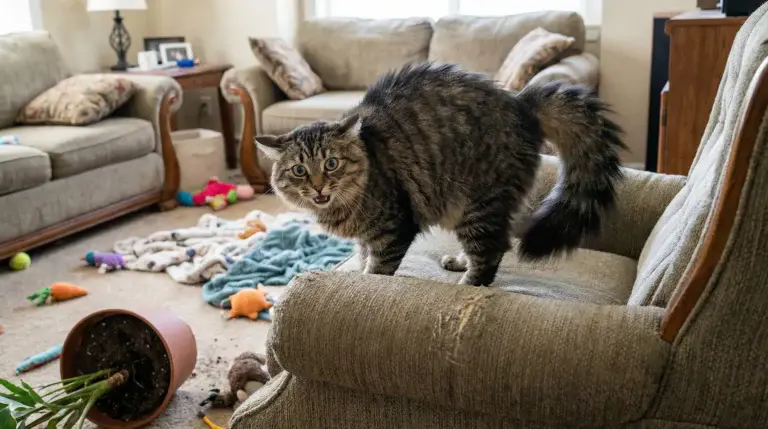
- Sudden aggression: Swatting or hissing at people or other pets without warning.
- Urinating outside the litter box: This isn’t always about territory; sometimes it’s pure anxiety.
- Decreased appetite: Eating much less or even refusing food.
- Vocalizing: Meowing, yowling, or caterwauling more than usual, especially when left alone.
Other less obvious signs include dilated pupils, hyper-alertness, or trembling. Chronic anxiety can even weaken the immune system, making cats more prone to getting sick. If you spot a mix of these signs, some extra attention and possibly help from a vet wouldn’t hurt. In some cases, anxious cats can show changes in sleep patterns or withdraw from favorite toys, which is important to notice as well.
Recognizing Overstimulation in Cats
Overstimulation is when cats hit their petting (or social) limit. Here’s how I react when I’m getting too much attention, even if it started off feeling good:
- Skin twitching or rippling along the back: A big tip-off that things are getting to be too much.
- Tail lashing or swishing: A fast, side-to-side tail is my way of saying, “ease off!”
- Sudden jerky head turns: Quickly turning to stare at your hand or arm may mean I’m getting overstimulated.
- Restlessness: Shifting position or trying to get up and leave.
- Sudden biting or swatting: Gentle nips or quick swats are my go-to “enough already” messages.
Overstimulation tends to peak during petting or play sessions, rather than hanging around all day like general anxiety. Most cats will forgive minor pushiness from humans, but ignoring the warning signs can strain trust. Some cats also react vocally when overstimulated, letting out a quick meow or chirp. Being mindful of these moments allows for a stronger bond and fewer surprises during petting sessions.
Why These Two Can Look Alike
Plenty of signs overlap between anxiety and overstimulation, especially the swatting, hiding, or running off. Both can leave a cat looking tense, jumpy, or even aggressive. The differences usually come down to the situation and timing:
- Anxiety sticks around even when things are calm and there’s no real “trigger.”
- Overstimulation reactions show up during petting, grooming, or chaotic play, then fade away once things quiet down.
This is where knowing your cat’s regular habits and preferences is super useful. If a chill petting session turns awkward, you probably just hit the stimulation limit. If your cat seems generally jumpy or withdrawn all day, anxiety could be the root cause. Cats may also display both at once, especially if they’ve been feeling uneasy due to changes around the home.
What Causes Anxiety and Overstimulation?
Cat Anxiety Triggers
Around my house, you’ll see anxiety pop up when routines break or when there’s a strange smell or new visitor. Common triggers include:
- Changes in the environment (moving furniture, adding new pets, or people)
- Loud noises or construction
- Separation from favorite humans
- Trips to the vet or car rides
- Past trauma or lack of socialization as a kitten
Anxious cats often want control and familiarity, so even small changes can mess with their sense of security. If your cat has a unique daily habit, try to keep it consistent as much as possible. Introducing new people or objects gradually can make a big difference.
Overstimulation Triggers
Overstimulation is often linked to touch or sensory overload. I might seem to love being petted, but if the same spot is petted too long, or if there are lots of sudden movements and sounds, it’s easy for my mood to switch. Kittens and rescue cats might be more sensitive, especially if they aren’t used to much handling. Activities like brushing or playful tickling can also bring on overstimulation, so watching your cat’s response is key.
How to Tell Which Is Which?
Figuring out if your cat is anxious or just overstimulated is partly detective work. Here are a few things that help:
- Context matters: Did the uncomfortable signs start during or right after petting or play? It’s likely overstimulation. If your cat is hiding, acting jumpy, or over-grooming with no direct reason, anxiety is more likely.
- Duration counts: Overstimulation meltdowns tend to pass quickly if you just stop the contact. Anxiety can linger all day or even get worse over time.
- Look at body language: If the tail and skin twitch only during touching, it’s probably overstimulation. Hiding and constant pacing stretch beyond any single moment.
Observing how your cat behaves around different people, in different rooms, or after certain noises helps you track down the source more efficiently. A cat’s reaction to toys or treats can also reveal what’s really bothering them.
Things to Consider Before Making Changes
Recognizing whether your cat is anxious or overstimulated can take some trial and error, but slowing down and watching closely goes a long way. Here are a few things to think about:
- Have there been recent changes (moving, new pets, a loud thunderstorm)?
- Does your cat react most to petting in certain spots (like the belly or base of the tail)?
- How quickly does your cat calm down after you stop petting or remove stress?
- Any signs of injury, sickness, or pain that could be causing agitation?
If you’ve checked everything off and the behavior keeps happening, a chat with your vet helps rule out medical issues. Always consider your cat’s age and health; sometimes pain from arthritis or dental problems can lead to agitation or avoidance, easily mistaken for behavioral issues.
Helping an Anxious Cat
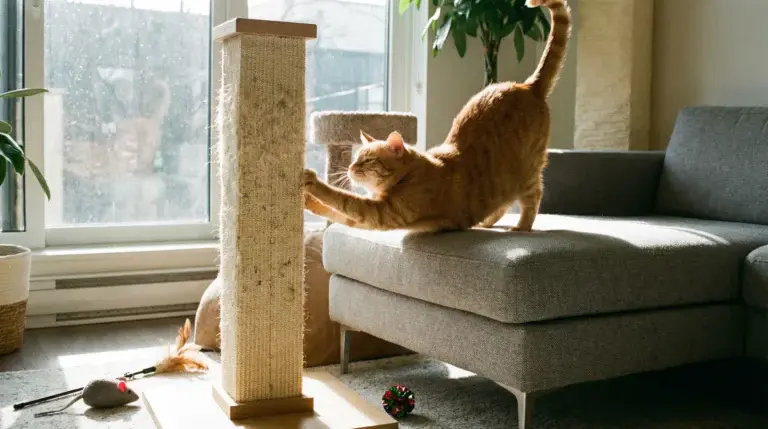
For ongoing anxiety, setting up a safe, cozy space with plenty of hiding spots often helps. Routine is your friend. Interactive toys, scratching posts, and pheromone diffusers give a sense of normalcy and control. If the anxiety is affecting eating, litter box habits, or health, professional help might be needed. You can explore cat anxiety treatment options if things aren’t improving. Providing vertical spaces, like cat trees, and quiet time each day can be incredibly comforting for worried kitties.
Easing Overstimulation
Spotting overstimulation before things escalate is pretty handy. Watch for early signs like skin twitch, tail swish, or quick head turns. Pet your cat in short sessions and give them space if they act restless. Avoid rough or repetitive handling in sensitive areas. Every cat has their own preferences, so getting to know your cat’s sweet spots is part of the fun. Rewarding calm behavior with treats or brief praise helps your cat build positive associations with touch, making future petting more enjoyable.
Frequently Asked Questions
Why does my cat suddenly attack me during petting?
Your cat may be hitting their stimulation limit. Watch for tail swishing or skin twitching; those mean it’s time to pause and let your cat take a break.
Can anxiety and overstimulation happen together?
Yes. An anxious cat might have a lower tolerance for petting or changes, making overstimulation happen faster. Managing both helps keep things calm.
Do all cats get overstimulated the same way?
Not really. Some never tire of long cuddles, while others want only a few pats. Rescue cats or those with less socialization when young might get overstimulated faster. It’s important to check each cat’s unique signals.
When should I be concerned and call a vet?
If your cat’s anxiety leads to self-harming, not eating, major litter issues, or aggression that doesn’t fade—even with patience and time—it’s worth getting professional advice.
More Resources for a Calmer Cat
Breaking down the difference between cat anxiety and overstimulation is super important for a cozy home. Knowing how to read subtle signs is the secret to a happier, more trusting relationship with your cat and with yourself as a pet parent. Whether your feline friend is just a little jumpy or needs some serious peace and quiet, understanding their needs ensures you both enjoy more relaxing days together. Helping your cat feel secure doesn’t just flatten out the daily stress—it really helps build a lifelong friendship that benefits you and your furry buddy.