Can Cats Eat Ice Cream? Why Dairy Desserts Aren’t Safe For Most Cats
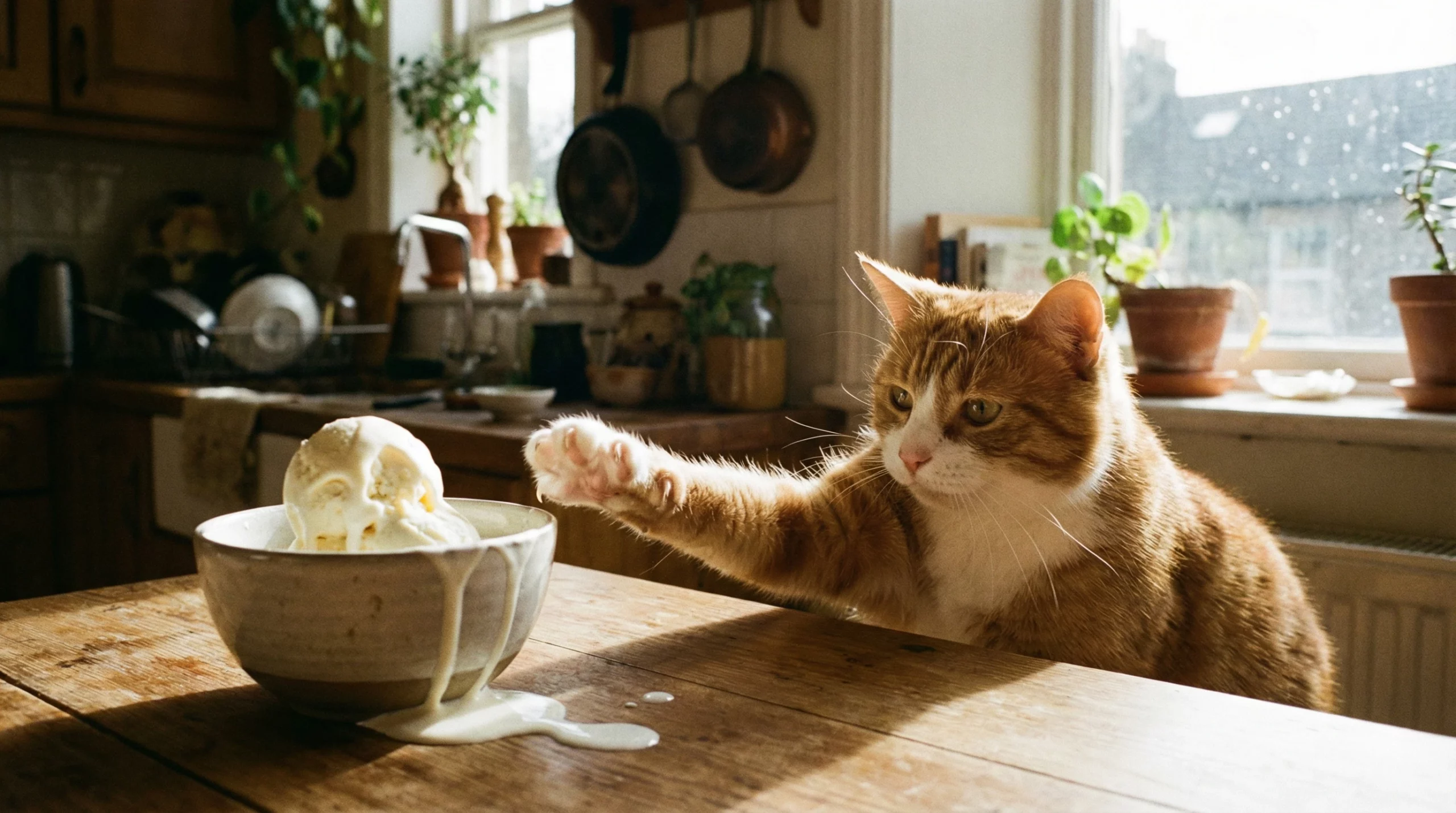
Imagine the scene: a bright summer day, a human relaxing with a bowl of vanilla ice cream, and a curious cat (like me, Thompson) hopping up to lick the melting dessert. That cute moment is enough to make anyone smile. But the truth is, most cats really aren’t built for sharing dairy treats—even when we act super interested in your dessert.
I get why ice cream seems tempting to offer, but it’s not the best option for cats. The quick answer: giving ice cream to cats isn’t recommended. There are some health reasons you definitely want to know about before letting your cat have even a tiny taste.
Can Cats Safely Eat Ice Cream?
A small lick probably won’t set off a full-blown emergency, but that doesn’t mean ice cream is safe or healthy for cats. The real issue is that most adult cats struggle to digest any kind of dairy. So, while it’s not considered toxic the way chocolate or xylitol (an artificial sweetener) is, ice cream comes with a lot more risks than rewards for us felines.
One quick lick now and then usually won’t cause much trouble for a healthy adult cat, but eating ice cream regularly, or having a lot in a single sitting, can lead to tummy problems you really want to avoid. The risks definitely outweigh any potential benefit. As much as I’d like to join your ice-cream fun, my body just isn’t made for it.
Why Ice Cream Is Bad for Cats
Lactose Intolerance
This is the big one! By the time most cats grow up, we stop producing much lactase, which is the enzyme needed to digest lactose (the natural sugar in milk and dairy). That’s why even a little ice cream can lead to upset tummies, gas, or diarrhea.
If you’re curious, I’ve written more about why cats shouldn’t drink milk in another post. That info applies to ice cream too, maybe even more so, because ice cream usually has more sugar and fat than plain milk.
Sugar Content
Cats just don’t need sugar in our diets. We’re obligate carnivores, which basically means our bodies thrive on protein, not carbs or sugars. All that sweetness in ice cream isn’t doing us any favors. Too much sugar can easily lead to weight gain and even set us up for long-term health issues like diabetes.
Plus, when cats eats ice cream, that sudden sugar rush can set off a storm in the gut, causing upset stomach and loose poop. Not fun for anybody, especially your couch.
Fat and Additives
Ice cream is packed with fat, which can sometimes be a problem for cats, but what worries me more are all the extra things thrown in. Flavors, toppings, chocolate chunks—some of these are straight-up dangerous. Chocolate is toxic to cats, and sugar-free ice creams with xylitol are seriously harmful and can even be deadly in small amounts.
The short version: the delicious stuff in your ice-cream bowl isn’t made with cats in mind. The ingredients list can hide some real dangers, and it doesn’t take much to cause trouble.
What Happens If a Cat Eats Ice Cream?
When cats eats regular ice cream, the most common reaction is—you guessed it—digestive upset. Diarrhea is the most common reaction, but that’s not all.
- Stomach cramps or bloating can make us grumpy or just plain miserable.
- Gas is no fun (for anyone in the house).
- Some cats will even vomit if their tummies have a really rough time processing all that dairy and sugar.
Sometimes, a cat feeling unwell from ice cream will seem stressed or act out a bit. If you’re not sure whether your cat’s hiding, panting, or pacing comes from a bellyache or something else, I’ve got a guide to cat anxiety and overstimulation signs that’s worth a read. Digestive trouble can look a lot like stress, and knowing the difference is super useful.
Are Any Ice Creams Safe for Cats?
“Maybe I’ll try lactose-free ice cream for my cat!” I totally get the thought process—lactose-free sounds better, right? It’s true that lactose-free ice cream is less likely to trigger diarrhea, since it doesn’t have the milk sugar most adult cats can’t digest. But the other problems (like sugar, fat, additives, and flavorings) are all still there, and they don’t magically become fine just because the lactose is gone.
The only ice creams that might fit as cat=safe are specialty treats made just for cats, meaning frozen goodies using cat milk or protein-rich recipes, often found at better pet stores. These are fun on occasion but still best kept as once-in-a-while treats.
If you really want to include your cat in dessert time, a single, occasional lick of plain vanilla ice cream probably won’t cause much trouble for most adult cats as long as they aren’t lactose intolerant. But even then, it’s better to stick to snacks made with cats in mind. And always skip anything with chocolate, coffee, raisins, or xylitol.
Better Treat Alternatives for Cats
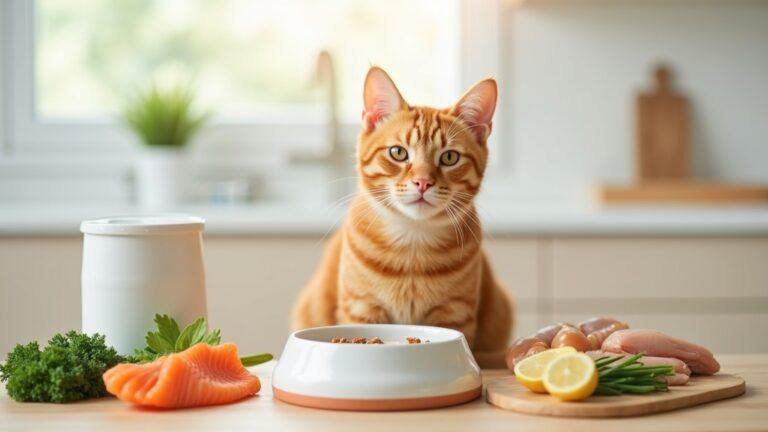
- Bits of plain cooked chicken or turkey: Simple, protein-rich, and usually a big winner! These chunks mimic the kind of nutrition cats’ bodies crave, and they deliver a nice, healthy snack.
- Commercial cat treats: Designed for feline tummies, there are tons of crunchy, chewy, or freeze-dried options. Look for ones with straightforward ingredients and no weird chemicals.
- Frozen cat-safe snacks: Some folks freeze low-sodium broth in an ice cube tray or stuff a Kong-like toy with wet cat food and pop it into the freezer. Cats love chasing and licking these on hot days, and they’re fun enrichment, too.
Switching to treats that are cat-appropriate (rather than human desserts) keeps your buddy happier and healthier for the long haul. Besides, cats form stronger bonds through play and interaction, not sugar rushes!
The Bottom Line: Should Cats Eat Ice Cream?
Regular ice cream just isn’t a good idea for most cats. While a single lick of vanilla ice cream probably won’t do major harm, there’s always a risk of digestive upset. Plus, letting cats develop a taste for sweet, fatty foods can make it harder to manage a balanced diet going forward.
I always say it’s better to stick with treats that are made for cats, both for safety and for nutrition. The occasional tiny taste may seem harmless, but it’s not something to make a habit of. There are plenty of other snacks out there that make better rewards (and won’t leave you scrubbing the carpet later).
Frequently Asked Questions
Curiosity isn’t just for cats—I know humans have questions about this topic, too. Here are some answers to the stuff I hear most often:
Question: Can kittens eat ice cream?
Answer: Even tiny kittens don’t handle milk-based desserts well. While kittens can sometimes digest their mother’s milk, their ability to process lactose fades quickly, so ice cream should still be off the menu. Give kitten-safe treats instead.
Question: Can cats eat vanilla ice cream?
Answer: Of all ice cream flavors, plain vanilla is the least dangerous, but that doesn’t mean it’s healthy. The lactose and sugar are still a problem, and “vanilla” can sometimes include risky flavorings. If you’re going to let your cat have a taste, keep it to a tiny lick and only very rarely.
Question: Can cats eat dairy-free ice cream?
Answer: Not necessarily! “Dairy-free” ice cream can still have lots of sugar and fat, plus additives like xylitol or nuts, which are dangerous to cats. Unless the product is made specifically for feline consumption, it’s better to skip it. Sometimes, cats who eat something strange feel sick because of stress; my calming aids article is a good read if your cat seems upset and you’re not sure if it’s stress or a food reaction.
If you’re looking for a simple way to treat your feline friend on a hot day, focus on safe, protein-rich snacks or cat-safe frozen treats you prep at home. Your kitty will thank you in the long run, and you’ll both avoid the not so fun messes that can come from well-meaning but risky snacks like ice cream. Keep it simple, cat-friendly, and fun!