Best Calming Aids For Cats During Grooming (Vet-Approved Options)
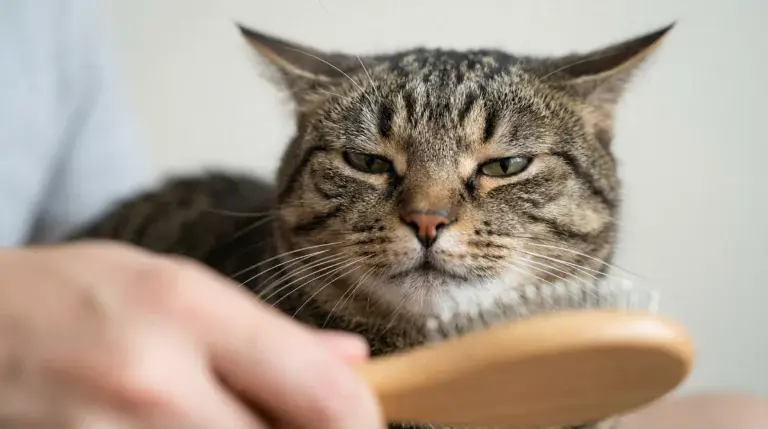
If you’ve ever watched a cat like me during grooming time, you know it’s not exactly our idea of fun. Some of us cats are chill about the whole thing, but plenty freak out the second the brush appears. Grooming can be stressful for cats for a few reasons—for instance, touch sensitivity (lots of cats dislike certain areas being handled), loud tools, or the sense of being held down when we’d rather bolt. For a lot of us, grooming can feel overwhelming and even scary.
Calming aids are super useful as support tools, but they aren’t sedatives and don’t knock cats out. They help lower stress and make grooming sessions smoother; you’re not looking to zone us out, just help us feel safer and more relaxed. In this guide, I’m breaking down the best calming aids for cats during grooming that veterinarians commonly recommend to reduce stress without sedation. No gimmicks, just practical stuff that works for real-life anxiety and keeps us safe.
This post contains affiliate links. If you purchase through these links, I may earn a small commission at no extra cost to you. I only recommend products I genuinely trust for cat wellbeing.
What Makes a Calming Aid “Vet-Approved”?
I know a lot of people wonder what exactly counts as “vet-approved.” For me (and for you), here’s what the pros mean:
- These options show up a lot in veterinary practices and behavioral consults, so nothing fringe or risky.
- They’re non-sedating, safe for regular use, and aren’t about masking behavior by just making us sleepy.
- They’re designed to lower anxiety and help us cope, not suppress normal cat reactions.
- They work best with gentle grooming techniques. The right approach, patience, and kindness always matter.
Your vet’s approval gives you peace of mind that what you’re doing is truly safe. Aim for products tested on cats, not just borrowed from dog routines. If in doubt, always check with your veterinarian before trying something new, especially if your cat has health issues or is on medications.
Pheromone-Based Calming Products for Grooming Anxiety
For cats who freak out when routines change or when they’re picked up for brushing, pheromone products come highly recommended by vets. These mimic the natural comforting pheromones that mom cats produce to chill out their kittens.
There are a few forms to know about:
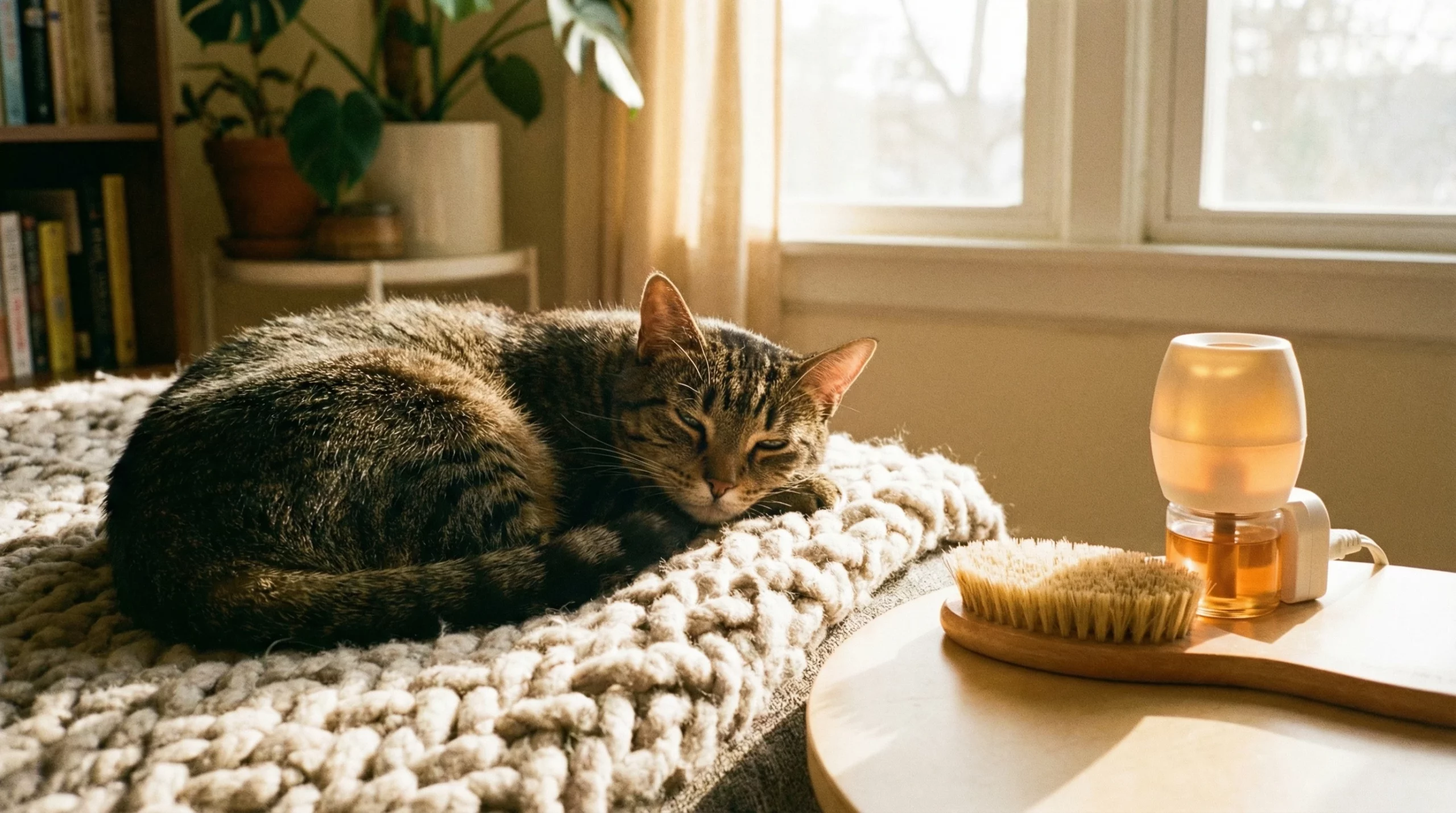
- Diffusers: These plug into an outlet and release calming pheromones into the room. They work quietly in the background and set the mood for chill grooming times.
- Sprays: Great for quick fixes. Just spritz on a favorite blanket, the grooming table, or carrier 10–15 minutes before starting. Super handy for spot-calming.
- Collars: Worn around the neck, these put out calming pheromones right where we need them. Useful for cats who freak at just seeing the brush.
Veterinarians commonly recommend pheromone products for grooming-related stress because they’re non-sedating and easy to use. Popular options include the Feliway Classic Plug-In Diffuser for ongoing calm, the Feliway Classic Calming Spray for short grooming sessions, and pheromone collars designed for cats who react strongly to handling.
Timing is key; not instant, but pretty quick. Put diffusers in the grooming area at least an hour before you plan to start. Sprays need about 10–15 minutes to fully kick in. For collars, aim to put it on an hour ahead of grooming for best results.
The science behind pheromone products is pretty interesting. These synthetic pheromones closely mimic the natural facial pheromones that cats produce when they feel safe, which sends reassuring signals and helps step up a sense of calm. While results can vary depending on your cat’s personality, many pet parents notice a visible difference in behavior after a few uses.
Here’s a quick comparison of the most common vet-recommended calming aids and how they support cats during grooming.
Calming Aid Type | Best For | How Fast It Works |
Pheromone Diffusers | Ongoing grooming stress | Hours to days |
Calming Treats | Short grooming sessions | 30–60 minutes |
Grooming Tools | Touch-sensitive cats | Immediate |
Calming Treats & Supplements for Grooming Stress
Treats and edible supplements can be a huge help for cats with light to moderate anxiety about grooming. I’m all for treats (obviously), and the calming kind make use of scientifically backed ingredients. Some of the most commonly recommended by vets:
- L-theanine: An amino acid that helps us relax without making us drowsy.
- L-tryptophan: Another amino acid that supports serotonin production (hello, better mood).
- Chamomile: A gentle herb known to soothe nerves and promote calm.
- Colostrum: A milk-derived ingredient that may boost stress resilience.
Most calming treats work best when given 30–60 minutes before grooming. Don’t just use them on special occasions; consistency is super important for results. Steady, repeated use keeps the calming benefits strong, so test the treats on nongrooming days, too. For ingredient reviews and additional guidance, a deeper look at cat anxiety treatment options can help you choose what fits your cat best.
Vet-Recommended Calming Treat Examples
Veterinarians often recommend calming treats that combine amino acids and gentle calming compounds to help reduce grooming-related anxiety without sedation. Commonly used options include Pet Naturals Calming Treats for Cats (with L-theanine and colostrum), VetriScience Composure for Cats, and Solliquin Calming Supplement, which tends to appeal to a more clinical or behavior-focused audience.
Supplements come in treats, gels, or capsules, and some even contain a mix of these active ingredients. For picky cats, there are also liquids you can add to wet food or special pastes. Remember, what works for one cat may not work for another, so you may need to try different options or alternate between a few until you hit the sweet spot. It’s best to talk to your vet before introducing new supplements, especially if your cat has allergies or other health concerns.
Anxiety-Reducing Grooming Tools for Sensitive Cats
Tool choice can absolutely make or break grooming sessions. Plenty of cats get overstimulated with the wrong brush or with loud, clicky grooming gadgets.
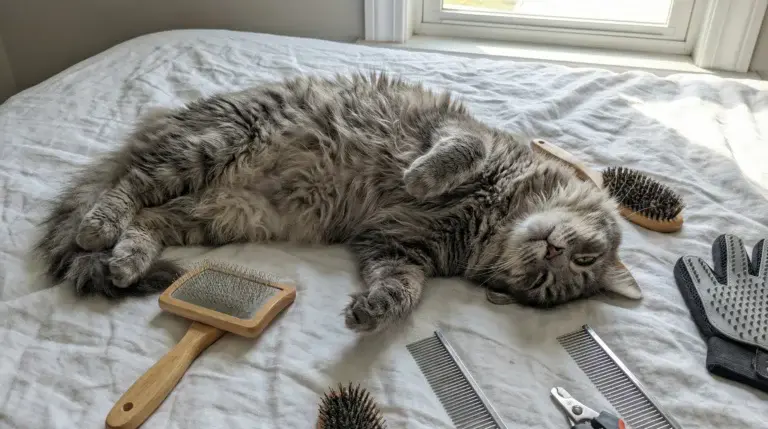
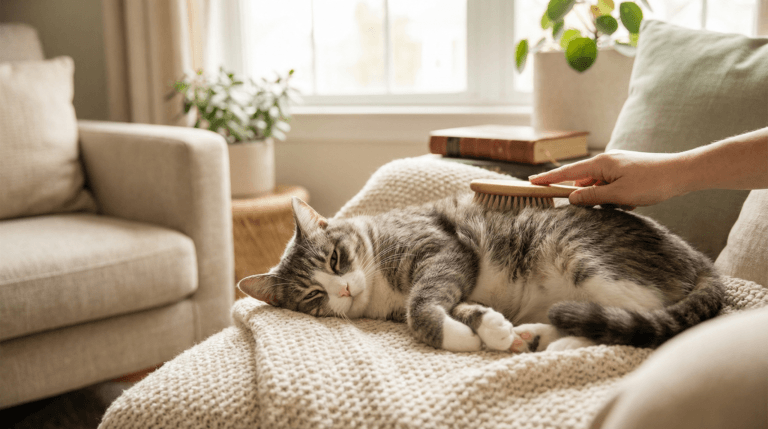
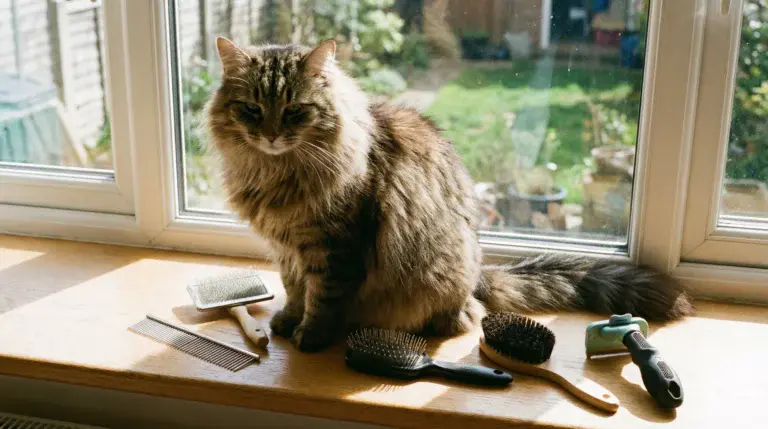
- Quiet, softbristle brushes are usually a safe starting point. These feel more like gentle petting than formal grooming and avoid the scratchy sensation of wire or slicker brushes.
- Grooming gloves are loved by a lot of cats who otherwise hate traditional brushes. Petting with a glove is way less scary and can double as a cuddle session.
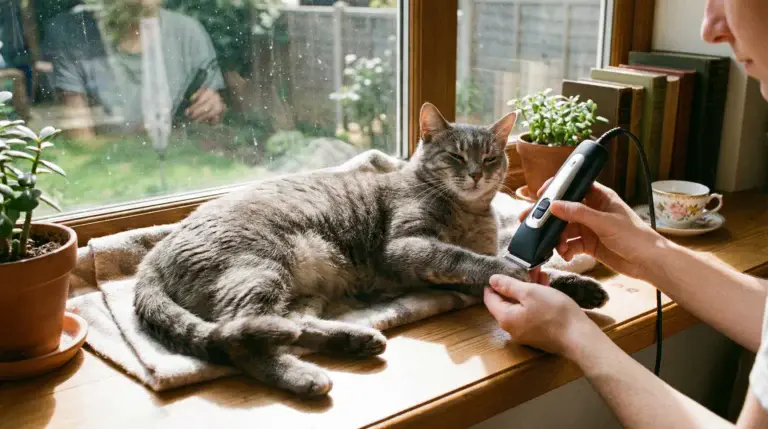
If your cat is jittery or especially sensitive, quiet is the way to go. Even low hums from electric clippers or shedding tools can be too much for a nervous cat. I recommend gentle hand brushing in short sessions, especially for cats who have bad grooming memories or are getting used to being touched. Learning to recognize early warning signs of stress in cats can help you stop grooming sessions before anxiety escalates.
Always let your cat sniff the brush and tools before starting. For many cats, the fear is less about grooming and more about unexpected sensations. Start with gentle strokes and build up, rewarding calm behaviors with treats and praise. If your cat has long fur that tangles easily, use a detangling spray for cats to make brushing smoother and more comfortable.
Many cats tolerate grooming better when tools feel gentle and familiar rather than “grooming-focused.” Soft-bristle brushes designed for cats, grooming gloves that mimic petting, and gentle detangling sprays can all help reduce discomfort and resistance during brushing sessions.
Cat parents often have success with tools like a soft-bristle cat brush, a cat grooming glove for touch-sensitive cats, or a cat-safe detangling spray that helps prevent painful tugging during brushing.
Environmental Calming Aids
Sometimes, it’s less about what you add and more about how you set up the grooming spot. If your cat jumps at every noise or hates being in unfamiliar places, environmental tweaks are gamechangers.
- Groom in a quiet, familiar room (like your cat’s favorite nap zone).
- Use soft lighting to tone down stress; harsh, bright lights can make everything feel more clinical.
- Try white noise or catspecific calming music to block out sudden sounds and give the whole place a zen vibe.
- Bring in familiar scent items—think their cozy blanket, a well-loved bed, or a shirt that smells like their favorite human.
Less is more here. The goal is to keep the experience as safe, predictable, and comfortable as possible. The environment itself can boost the effectiveness of your calming aids and help step up the positive associations your cat forms with grooming time.
Adding extra hiding spots, draping a towel over the grooming table, or using raised beds to encourage a sense of security can also help. If your cat still struggles in your home, ask your vet about professional groomers who specialize in lowstress, cat-only grooming environments.
Vet-Recommended Short-Term Options (When to Ask for Help)
For some cats (yours truly included on a bad day), all the calming aids in the world won’t be enough. If your cat shows serious stress, like aggression, heavy panting, frantic escape attempts, or won’t let anyone near them for grooming, then a vet’s input is super important.
In certain cases, your vet may recommend prescription medications, short-term antianxiety options, or even sedation for medically necessary grooming (for example, with mats or skin infections). These are used case by case and only after behavior-based approaches aren’t getting anywhere. This isn’t where anyone wants to start, but having the conversation is worth it if nothing else is working. If grooming leads to aggression or defensive behavior, it helps to understand the causes behind aggressive grooming behavior in cats.
It’s important to think about safety for both you and your cat. If grooming leads to injury or intense fear, medical options help ensure your cat’s wellbeing and help you support their health in the least stressful way possible.
How to Choose the Right Calming Aid for Your Cat
- Think about what triggers your cat’s anxiety. Is it the brush itself, the environment, or just the idea of being picked up?
- Start with one calming aid at a time so you can see what’s actually working.
- Watch your cat’s reactions, monitor for any side effects (like GI upset or increased hiding), and adjust as needed.
No onesizefitsall answer here, but careful research helps you make informed decisions for your cat. If you don’t see progress after a few weeks, check in with your vet for guidance.
Tips for Using Calming Aids During Grooming
- Always do a test run with new calming aids on a nongrooming day to monitor for unexpected reactions.
- Kicking things off with super short grooming sessions—just a stroke or two with lots of treats and praise—builds positive associations.
- Stop at the first sign of stress (ears flat, tail swish, tense posture) and try again later. Take things at your cat’s pace.
Keeping an eye out for body language clues is huge. Over time, your cat might start to look forward to grooming, especially if each session ends with playtime or their favorite snack.
🐾 Quick Picks: Best Calming Aids by Situation
- Best for multi-cat homes: Feliway Classic Plug-In Diffuser
- Best for last-minute grooming: Feliway Classic Calming Spray
- Best for food-motivated cats: Pet Naturals Calming Treats for Cats
- Best for touch-sensitive cats: Cat grooming glove
FAQs: Calming Aids & Grooming
Do calming aids make cats sleepy?
Most calming aids help cats feel relaxed but alert. They shouldn’t sedate or make a cat groggy when used as directed. If your cat is zonked out, it’s time to revisit the dosage or try a different product.
Can I combine products?
Sometimes, vets suggest using a pheromone diffuser plus a calming treat. Don’t stack products without asking your vet; there’s a sweet spot that avoids overwhelming your cat or causing side effects.
How long before grooming should I use them?
Most pheromones and treats work best when started 30–60 minutes before grooming. Collars and diffusers are better set up well in advance. Always check the directions on your specific product.
Are these safe for kittens or seniors?
A lot of calming aids are safe for young and older cats, but always check the label and ask your vet when in doubt. Seniors can be extra sensitive, so gentle options and low doses are usually good bets.
Can calming aids replace training or desensitization? Calming aids work best alongside gentle handling, patience, and positive grooming routines—not as a replacement for behavior training.
Gentle Grooming is Possible (Even for Nervous Cats)
It might take some trial and error, but calmer grooming absolutely can happen. With patience, the right calming aids, and a focus on your cat’s comfort, you’ll get there together. Every cat has unique limits; getting to know those quirks and respecting them makes a world of difference. Here’s to less drama and more peaceful brushing for both of us.