
10 Cat Bonding Activities That Will Strengthen Your Relationship Fast
Ever feel like your cat just doesn’t care as much about bonding as you do? Some cats act super independent, giving that vibe of “I love you, but from a distance.”
If your cat seems distant or not as affectionate as you’d like, you’re not alone. The truth is, building a strong bond isn’t about more attention—it’s about the right kind of interaction. These cat bonding activities are simple, proven ways to build trust, connection, and affection fast—even with shy or independent cats.
Let’s check out ten of the best ways to strengthen your relationship with your cat, fast.
Why Cat Bonding Activities Matter
Cats are wired a little differently than dogs. Instead of looking for a leader or aiming to please, cats build relationships based on trust and positive association. This means bonding happens on their terms. You build a good bond by making them feel safe around you—not by demanding obedience or constant attention.
Here’s why making time for bonding activities is really important:
- Reduces stress and anxiety. Regular, positive interaction can help your cat feel safer and less anxious. Over time, a sense of safety brings out more relaxed and playful behavior.
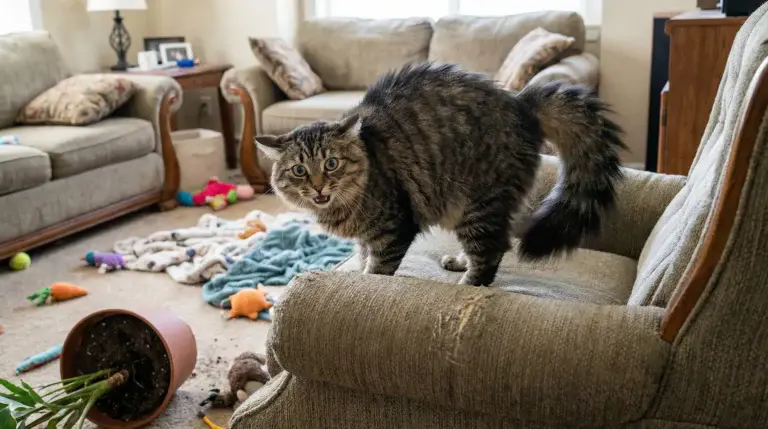
- Improves behavior. Building a real connection can lower the chances of unwanted stuff like scratching, spraying, or aggression. When cats feel heard and respected, good behavior follows.
- Builds long-term trust. When your cat trusts you, you’ll see more affection, play, and overall happiness. Trust is the foundation for all cat-human friendships.
Every cat is unique, but all benefit from healthy bonding. Here are the best activities I’ve found for strengthening that connection quickly and naturally.
10 Cat Bonding Activities That Work
1. Interactive Play Sessions
Grab a wand toy, feather teaser, or even a laser pointer and spend a few minutes on daily playtime. These toys mimic hunting, which almost every cat instinctively loves. Short, focused play sessions help your cat let out energy, feel fulfilled, and connect those happy vibes with you.
If you’re using a laser, always finish by letting your cat “catch” a physical toy or treat, so they don’t feel frustrated. Regular play is one of my go-to moves for building trust, especially with nervous or energetic kitties. Playtime also lets your cat associate you with fun times and not just meals or naps.
2. Hand Feeding Treats
Handing your cat a tasty treat is more than just a snack; it’s a way to build a super positive link between you and your cat. For especially shy, young, or new cats, starting with hand feeding helps them focus on your presence in a good way. The physical closeness while sharing a treat can also help with getting used to touch.
Try offering treats with an open palm or placing a treat on your knee if your cat is extra cautious. Over time, they’ll associate you with treats and safety. With patience, you may even have your cat taking treats directly from your hand!
3. Grooming Your Cat
Cats groom each other as a social bonding activity, so brushing or gentle grooming can go a long way. Start slow and pay attention to your cat’s body language; some love long grooming sessions, while others might only want a minute or two at first. Choose a soft brush and talk in a quiet voice while you groom for bonus comfort points.
Regular grooming helps keep their coats in great shape and can also reduce shedding around your home. For cats that are nervous about brushing, start with just a stroke or two and gradually build up.
If your cat gets stressed or aggressive during grooming, I break down the causes and solutions in my guide on why cats get aggressive during grooming.
4. Talking to Your Cat
I’ve found that calmly talking to your cat can help them relax and feel more comfortable. Cats don’t understand specifics, but they get used to your tone and the feel of your voice. Soft chatting while you’re cooking, reading, or working helps your cat feel included and builds trust over time.
Try narrating what you’re doing (“making dinner now!”), or simply greet your cat when you enter a room. Over time, your voice becomes another source of comfort.
5. Slow Blinking
Slow blinking is basically the “cat kiss.” When you catch your cat’s gaze, gently close your eyes for a couple of seconds and then open them slowly. If your cat returns the slow blink, that’s their way of showing trust. It’s a silent way to say, “I’m not a threat. I like you.” No need for touch or treats; just relaxed, good vibes.
Try this when your cat is lounging across the room or settling in for a nap, and you’ll often see them blink back at you.
6. Sitting Quietly Together
Sitting in the same room as your cat—reading, watching a show, or relaxing—gives them opportunities to approach you on their own terms. This is especially helpful for shy or rescue cats. The trick is not to reach out or force attention; just being there makes it easy for your cat to feel comfortable and decide when to come closer.
Even if your cat just naps near you, that’s a sign of growing trust.
7. Training With Treats
Teaching simple behaviors like “sit” or coming to their name keeps your cat’s mind busy and strengthens your relationship. Use small, tasty treats and short training sessions—under five minutes is plenty. Training isn’t only for dogs; cats love mental challenges, especially when snacks are involved.
Even teaching a paw-bump or jumping through a hoop can add fun to your daily routine while giving your cat confidence in your company.
8. Creating a Routine
Cats are big fans of routine. Feeding, playtime, and even bedtime at roughly the same time each day help your cat feel secure. Feeding on a schedule is a big part of this, and you can learn exactly how much and when to feed in my guide on how much your cat should eat daily.
Predictable routines mean your cat knows what to expect, making them more likely to seek you out for attention and fun. Routine makes life smoother and encourages positive behaviors.
9. Petting in the Right Spots
Most cats love gentle rubs under the chin, around the cheeks, and at the base of the tail. Go slow and watch for signs your cat’s happy (purring, leaning in) or has had enough (tail twitching, ears back). Overstimulation can turn things sour, so short, sweet petting is usually best. If your cat rolls over and exposes their belly, take it slow; not every cat likes belly rubs!
If you want to read your cat’s signals better, check out my full breakdown of cat body language explained.
10. Sleeping Near Your Cat
Sharing a nap space—even if it’s just the same couch or your bed—can make your cat feel safe and bonded to you. If your cat curls up next to you, that’s a huge sign of trust. Don’t force it; just make yourself available when you’re relaxing or resting. Over time, your cat may choose you as their favorite nap buddy.
Common Mistakes That Hurt Bonding
While bonding with your cat is usually smooth if you go slowly, I’ve noticed a few common slip-ups that are worth pointing out:
- Trying to pick up or cuddle your cat when they’re not in the mood
- Rough or overly long play sessions that lead to overstimulation
- Missing body language cues (like swishing tails, flattened ears, or sudden biting)
- Feeding, playing, or interacting at totally random times, which can stress out some cats
A little patience and watching your cat’s vibe will make all the difference. Always check your cat’s signals before engaging, and remember that building trust is a gentle process.
How Long Does It Take to Bond With a Cat?
Every cat is different, and bonding speed depends on factors like personality, background, and age. I’ve seen outgoing kittens bond in days, while shy or rescued cats may need weeks or even months to really settle in. The key is being consistent. A little daily effort works much better than one big session every now and then. Keep the vibe predictable and positive; results will follow with time, just stay patient.
As your cat begins to show more affection or chooses to approach you, that means your efforts are paying off. Celebrate the small wins along the way!
Wrapping Up
Creating a close relationship with your cat isn’t about constantly doing more; it’s about doing the right things. These ten bonding activities are gentle, cat-approved ways to build a stronger connection. Start with just one or two daily, keep it relaxed, and pretty soon you’ll notice your cat opening up.
Want to make bonding even easier? The right tools can make a huge difference. Interactive toys, high-value treats, and gentle grooming brushes can all help your cat feel more comfortable and connected to you. If you stay consistent and follow your cat’s pace, you’ll have a happy cat and a special bond that only gets better with time.